

 English
 русский
 Français
 Español
 عربى
عربىPulley Pump Set systems are widely used in industrial, agricultural, and mechanical applications for transferring fluids efficiently. While these systems are reliable, users may encounter common mechanical problems if proper installation, maintenance, and operation practices are not followed. Understanding the typical issues and their causes is essential for preventing downtime, reducing repair costs, and maintaining consistent performance. Proactive management of these systems ensures that a Pulley Pump Set remains functional and operates smoothly over an extended period.
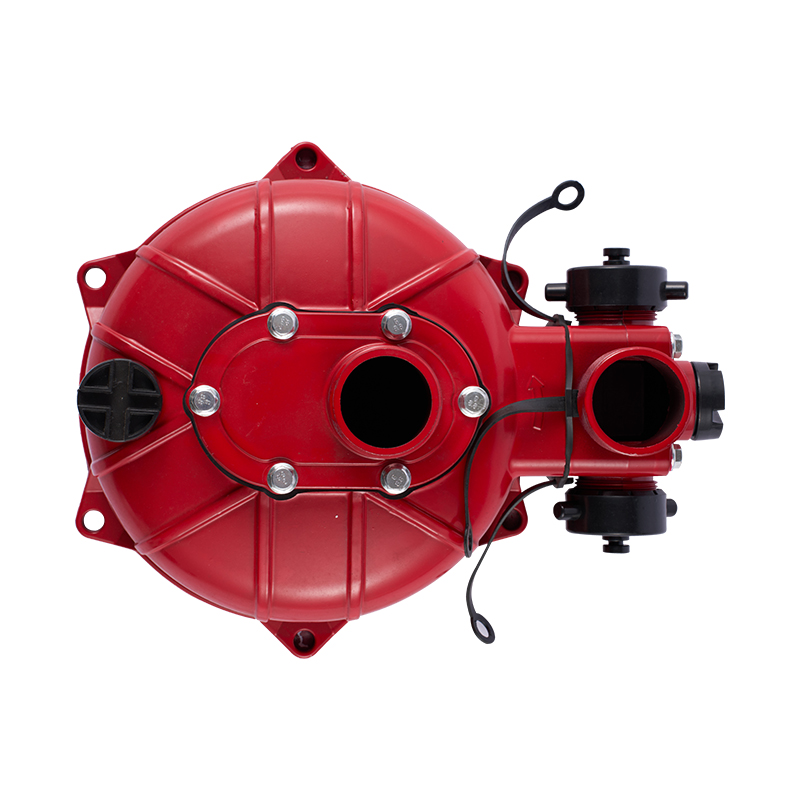
Common Mechanical Problems
Several issues can affect the performance of a Pulley Pump Set. The most frequent problems include belt slippage, excessive vibration, noise, and premature wear of pulleys or bearings. Belts can become worn or loose over time, reducing the efficiency of power transfer. Misalignment between pulleys can cause uneven wear, generate noise, and increase the load on motor and pump components. Bearings may fail if subjected to improper tension, inadequate lubrication, or environmental contaminants. Identifying these problems early can prevent more severe failures and prolong the life of the equipment.
Causes of Problems
Mechanical issues often result from improper installation or insufficient maintenance. Common causes include:
- Incorrect belt tension: Belts that are too tight can strain bearings, while belts that are too loose can slip and reduce efficiency.
- Pulley misalignment: Even small deviations can create vibration and uneven wear.
- Overloading: Operating the pump beyond its rated capacity stresses components and accelerates wear.
- Environmental factors: Dust, debris, and moisture can affect belts, pulleys, and bearings, leading to premature failures.
Understanding these causes helps users take corrective measures before problems escalate.
Preventive Measures
To avoid common mechanical problems, several preventive steps can be taken:
- Regular inspection: Check belts for wear, cracks, or fraying, and inspect pulleys for alignment and stability.
- Proper lubrication: Bearings and moving parts should be lubricated according to recommended schedules to reduce friction and wear.
- Correct tensioning: Adjust belts to the appropriate tension, avoiding both slippage and excessive strain.
- Environmental protection: Keep the system clean, free of dust and debris, and protect against moisture when possible.
Implementing these preventive measures reduces the risk of unexpected failures and maintains smooth operation.
Maintenance Strategies
Routine maintenance is key to prolonging the life of a Pulley Pump Set. Developing a maintenance schedule helps ensure that inspections and adjustments are performed consistently. Recordkeeping is also valuable, tracking the dates of inspections, replacements, and any adjustments. This information allows operators to anticipate wear patterns and schedule timely interventions. In addition, having spare belts, pulleys, and bearings on hand ensures that repairs can be completed quickly if a problem arises. These strategies improve reliability and prevent extended downtime.
Tips for Troubleshooting
Even with preventive measures, occasional issues may arise. When problems occur:
- Listen for unusual noises: Squealing or grinding can indicate misalignment or worn components.
- Observe vibration patterns: Excessive vibration may signal imbalanced pulleys or worn bearings.
- Monitor performance: Reduced flow or inconsistent operation can indicate belt slippage or partial obstruction.
Taking prompt action when early warning signs appear can prevent larger mechanical failures and keep the system running efficiently.
A Pulley Pump Set can deliver reliable and efficient performance when common mechanical problems are anticipated and addressed proactively. By understanding the typical issues, their causes, and effective preventive measures, operators can maintain smooth operation and reduce the risk of downtime. Regular inspection, proper lubrication, correct belt tension, and environmental protection are essential strategies for maintaining system health. In addition, developing a maintenance schedule and keeping accurate records ensures that potential problems are identified early. With consistent care and attention, a Pulley Pump Set can provide long-lasting service across industrial, agricultural, and mechanical applications, making it a dependable choice for fluid transfer needs.