

 English
 русский
 Français
 Español
 عربى
عربىWater pulled from a river or an open irrigation channel rarely arrives clean, and the sediment, silt, and occasional plant debris riding along with it puts a very different demand on a pump than the filtered municipal supply many pump specifications get tested against. An agriculture irrigation water pump drawing from these real-world sources depends on impeller and casing design choices that a pump built purely for clean water never has to account for. Farmers switching a pump between a well and a surface water source over the course of a season often discover this gap firsthand, when a unit that performed well on clean water starts clogging or losing flow once connected to a silty irrigation channel instead.
Single Stage Impeller Design Balances Flow Against Debris Tolerance
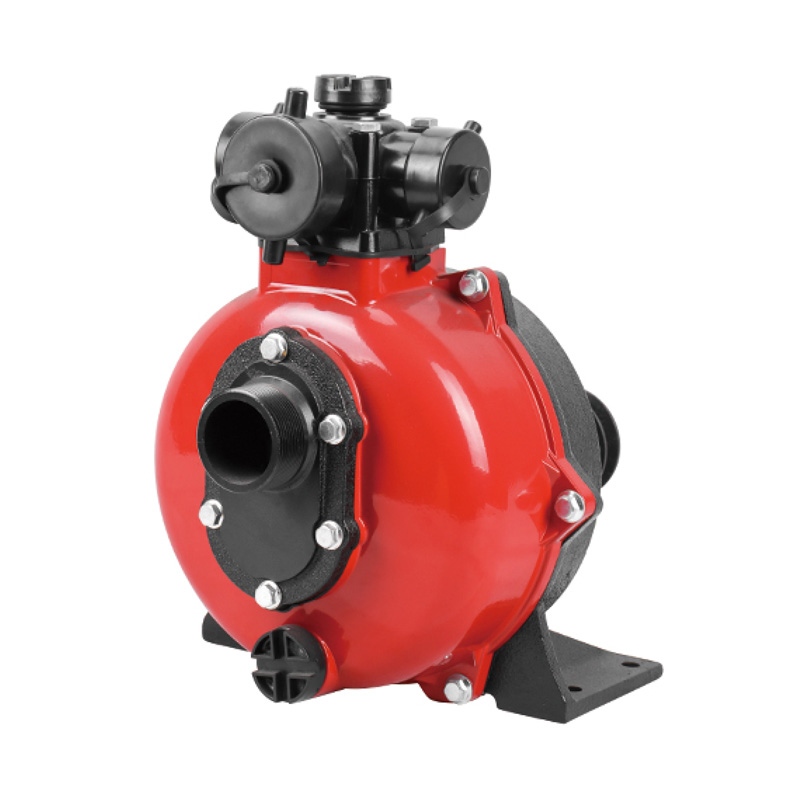
Single stage impeller design on a centrifugal pump uses a single rotating vane assembly to move water through the casing, a simpler construction than a multi-stage pump that offers less resistance to occasional debris passing through the impeller channels. An agriculture irrigation water pump built around this single-stage layout trades some of the higher pressure a multi-stage design can achieve for a wider clearance around the impeller vanes, reducing the chance of clogging when the source water carries fine sediment or small organic particles. This tradeoff generally suits surface water sources such as rivers, ponds, and open irrigation channels, where water quality varies more than it does from a well or municipal line.
Self Priming Centrifugal Pump Function Handles Air in the Line
A self priming centrifugal pump clears air trapped in the suction line and pump casing on its own once started, without requiring a separate manual priming step before each use, which matters directly for a pump reconnected to a different water source or repositioned across a field between growing seasons. An agriculture irrigation water pump without this self-priming capability needs the suction line and casing manually filled with water before every startup, a step easy to forget in daily field operation and one that leaves the pump running dry, a condition that wears the impeller and seals faster than normal operation. Self-priming function depends on the pump retaining a small volume of water in the casing between uses, which is why storage orientation and drainage matter for keeping this feature working reliably over time.
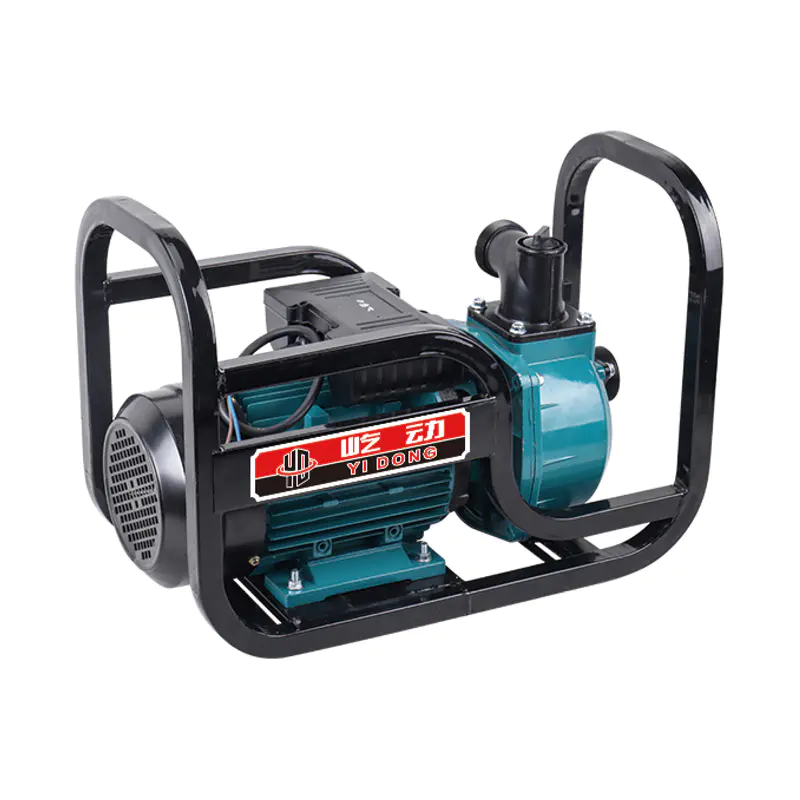
Casing Material Resists Wear From Suspended Particles
The pump casing surrounding the impeller experiences continuous abrasive contact from any sediment passing through with the water, and a casing material selected for wear resistance holds its internal clearances longer than one chosen primarily for cost. An agriculture irrigation water pump running consistently against sediment-heavy water benefits from a casing and impeller pairing rated for this kind of abrasive service, since a mismatch here shows up as gradually declining flow rate and pressure well before any single component fails outright. ZHEJIANG TAIZHOU ANGTENG ELECTROMECHANICAL CO., LTD. matches casing and impeller material specifications to the water conditions its irrigation pump lines are built to handle across different source types.
Motor Sizing Aligns With Pump Head Size Across the Range
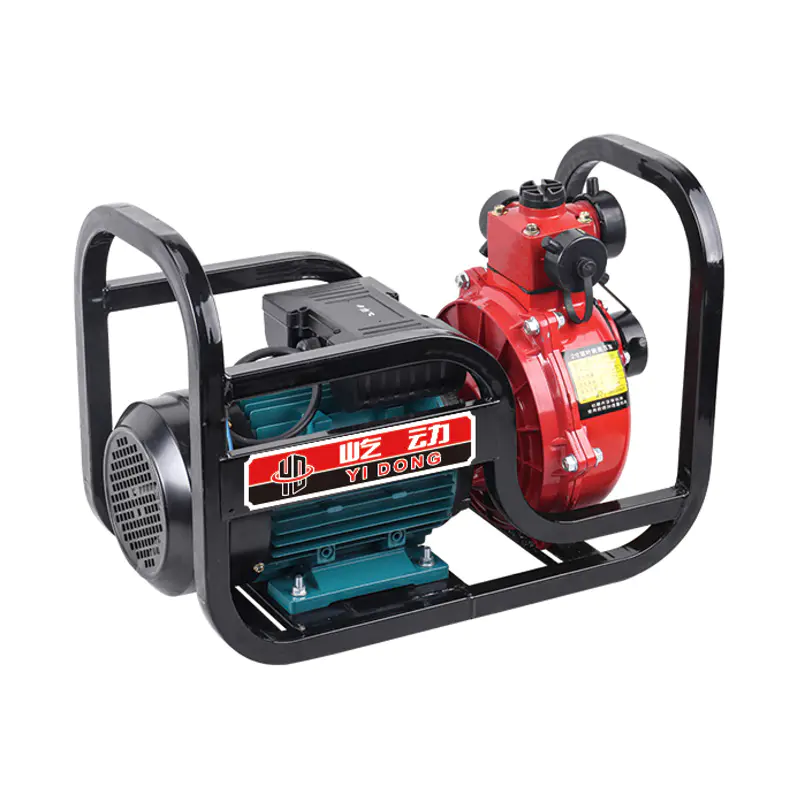
A 2, 3, or 4-inch agriculture irrigation water pump head scales its motor power requirement to the physical size of the water inlet and outlet, since a larger pump head moving a greater volume of water needs proportionally more drive power to maintain rated flow and lift. Matching motor power to pump head size correctly across a product range keeps performance consistent whether a farm operation is running a compact 2-inch unit for a smaller plot or a 4-inch unit covering a larger irrigated area, rather than underpowering the larger head sizes relative to what their throughput actually demands.
Bulk Supply and Customization for Agricultural Distributors
Buyers distributing an agriculture irrigation water pump line across multiple farm sizes and water source types should confirm impeller clearance, casing material, and motor sizing are matched consistently across the full 2, 3, and 4-inch range rather than assuming a single internal specification scales evenly by size alone. ZHEJIANG TAIZHOU ANGTENG ELECTROMECHANICAL CO., LTD. supports this kind of range-wide consistency across its electric water pump lineup, and buyers placing bulk orders for regional distribution should confirm voltage configuration matches the destination market's electrical standard before finalizing a purchase order.