

 English
 русский
 Français
 Español
 عربى
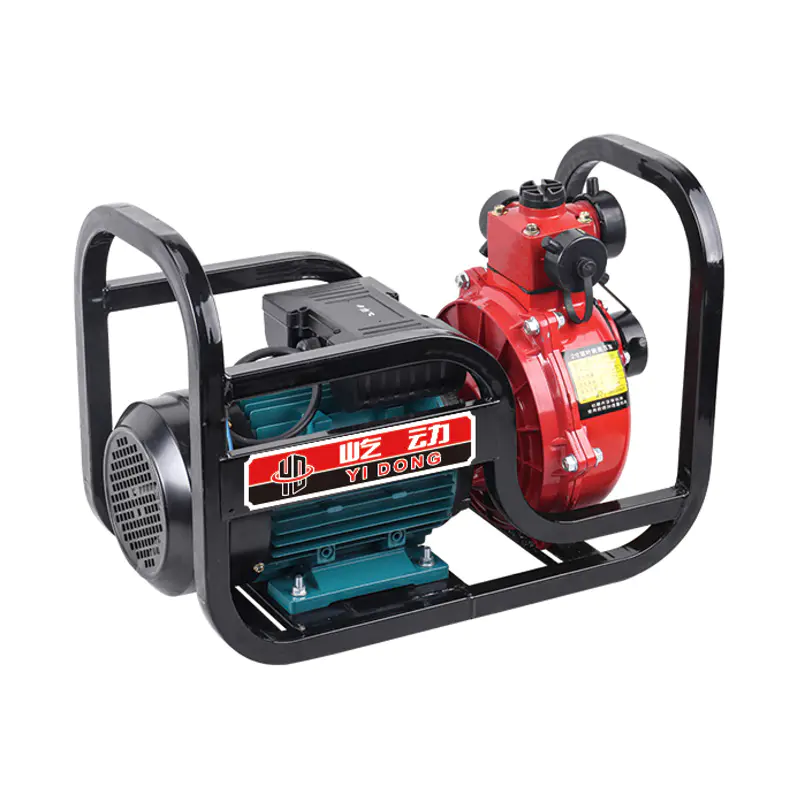
عربىWater pumping equipment is often built around more than the pump itself. In applications where the pump is driven through a belt and pulley arrangement, the transmission system becomes part of the overall equipment design. A Pulley Pump Set combines these elements into a working unit, giving manufacturers more flexibility when matching a pump with a suitable power source.
This configuration is particularly relevant for agricultural irrigation, drainage, water transfer, construction sites, and other applications where the pump may need to operate away from a conventional fixed power installation.
The Pulley Creates a Flexible Drive Arrangement
The main feature of a Pulley Pump Set is the connection between the power source and the pump through pulleys and a belt. Instead of placing the pump directly on the motor shaft, the belt-driven structure allows the pump and power source to be arranged separately.

This can be useful when equipment layout, available power sources, or installation conditions vary. The pulley ratio can also influence the rotational speed delivered to the pump, making transmission design an important part of the complete system.
For manufacturers, the relationship between pulley diameter, shaft speed, belt selection, and pump requirements needs to be considered as one system rather than as isolated components.
Self-Priming Construction Supports Field Applications
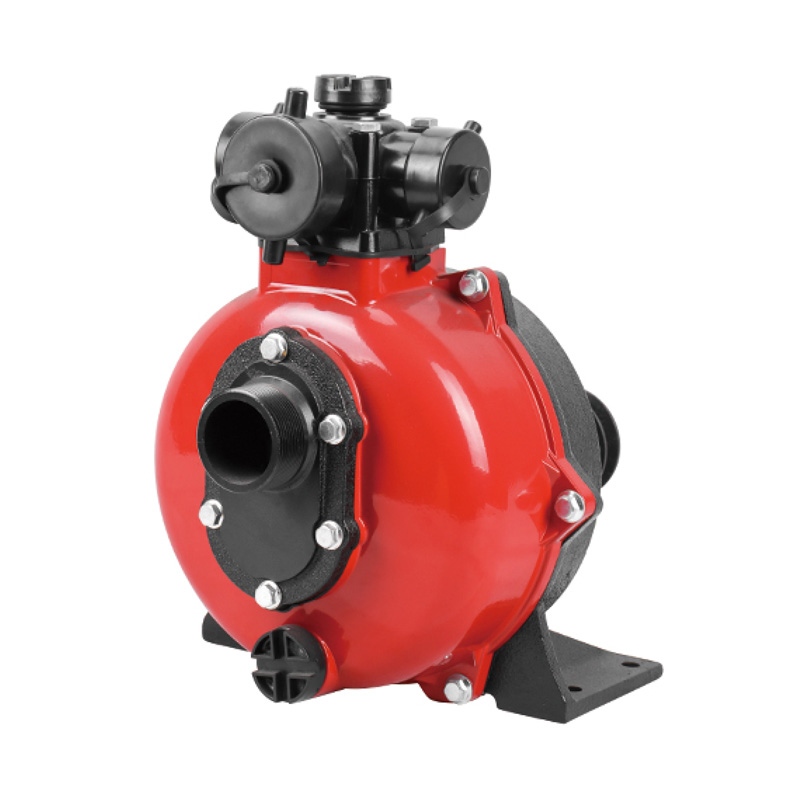
Many belt-driven water pump sets are designed around self-priming pump structures. A self-priming centrifugal pump can remove air from the suction line and establish water flow without requiring the suction system to be manually filled every time under suitable operating conditions.
This characteristic can be useful for mobile or outdoor pumping applications where the equipment may be started and stopped regularly.
The Pulley Pump Set concept therefore combines two practical features: a flexible mechanical drive and a pump configuration intended for water transfer. The final performance still depends on the pump design, installation conditions, suction arrangement, and operating requirements.
Belt Alignment Affects Mechanical Operation
A belt transmission may look relatively simple, but alignment has a direct relationship with mechanical operation.
The shafts supporting the pump and power source need to remain properly positioned so that the pulleys run in the intended alignment. Excessive belt tension can place additional loads on shafts and bearings, while insufficient tension may allow belt slippage.
For this reason, the base or mounting structure is an important part of a Pulley Pump Set. A stable mounting arrangement helps maintain the relative position of the pump and drive components during operation.
Pump Speed Is Linked To Transmission Design
Water-pump performance is closely related to rotational speed. In a belt-driven arrangement, the pump does not simply receive whatever speed the power source produces. The pulley dimensions determine the transmission relationship between the driving and driven shafts.
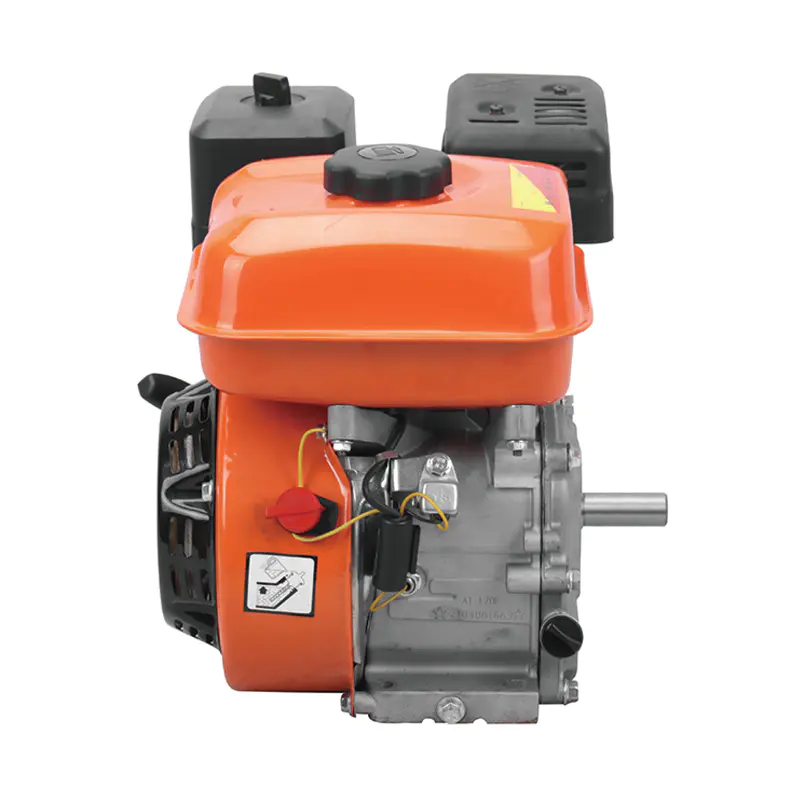
This gives manufacturers and equipment developers another variable when designing pumping systems. Different applications may require different combinations of flow, pressure, and operating speed, so the transmission arrangement needs to correspond with the selected pump.
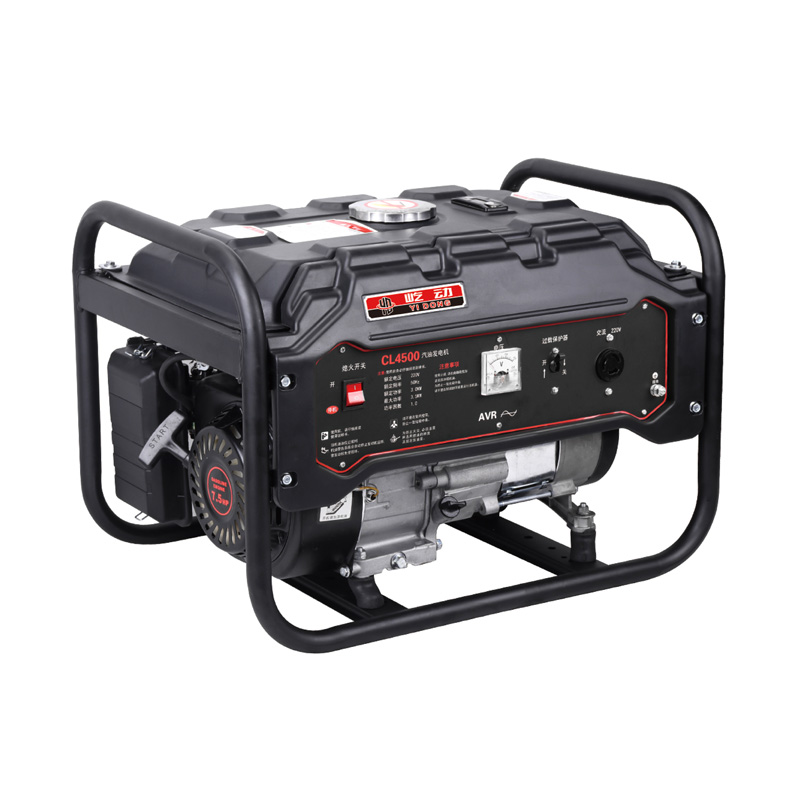
A Pulley Pump Set can therefore be developed around different power sources and operating requirements rather than following a single fixed equipment configuration.
Construction Influences Outdoor Use
Water pumps used in agricultural, construction, and drainage applications can face demanding working environments. Dust, moisture, vibration, and frequent transportation can all influence equipment design.
The pump body, shaft, pulley, belt, mounting frame, and protective components need to form a practical mechanical assembly. A suitable belt guard may also be incorporated around moving transmission components to reduce accidental contact during operation.
These details may appear secondary compared with the pump itself, but they contribute to the usability of the complete equipment set.
Different Applications Require Different Pump Configurations
A Pulley Pump Set can be adapted to several water-transfer requirements. Agricultural users may need equipment for irrigation or field drainage, while construction operations can use water pumps for site drainage. Other applications may involve transferring water between tanks, reservoirs, or temporary storage areas.
The required flow rate, lift, suction conditions, power source, and operating environment can vary considerably between these applications. As a result, product development often focuses on matching the pump and drive system to the intended working conditions.
Transmission And Pump Form One System
The development of the Pulley Pump Set demonstrates how mechanical transmission and fluid-handling equipment can be integrated into a single working unit. The pump determines how water is moved, while the pulley and belt arrangement determines how mechanical power reaches the pump.
For manufacturers and equipment developers, this relationship creates several opportunities for configuration and customization. Pump type, pulley arrangement, drive source, mounting structure, and protective components can all influence the finished system.
Rather than viewing the pulley as a simple accessory, modern belt-driven pump equipment treats the transmission system as part of the pump's overall design. The Pulley Pump Set is consequently suited to applications where flexible power transmission and practical water pumping need to work together.