

 English
 русский
 Français
 Español
 عربى
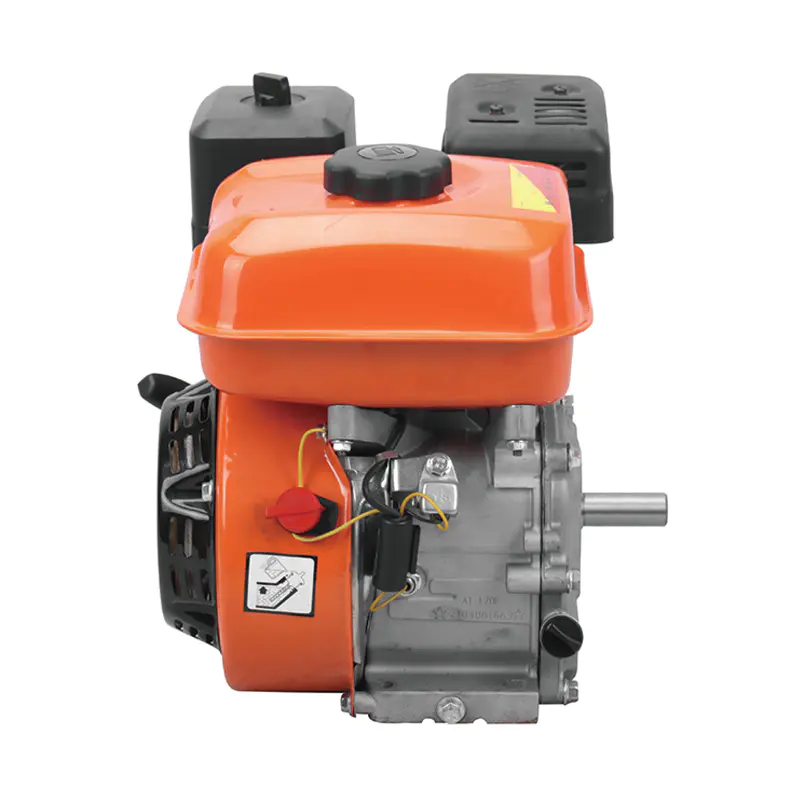
عربىInternal combustion systems are widely used in transportation and mechanical equipment, where energy is generated through controlled fuel ignition. The Benzin Engine is one of the most common configurations in this category, especially in passenger vehicles and light-duty machinery, where smooth operation and flexible speed changes are required.
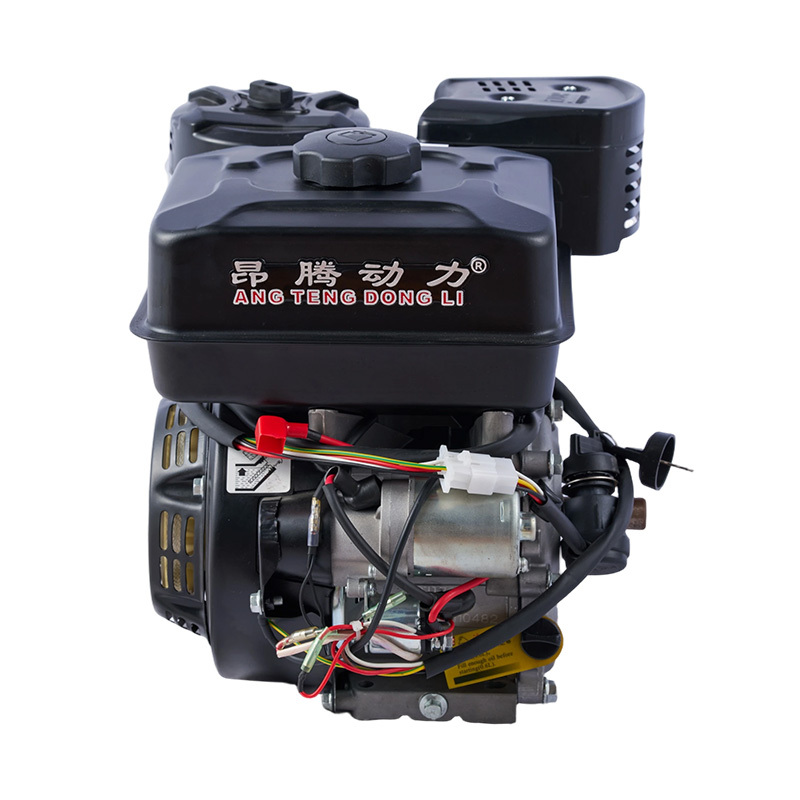
Unlike simple mechanical devices, a benzine engine works through a tightly coordinated system that combines airflow management, fuel injection, ignition timing, and exhaust control. Each subsystem must operate in the correct sequence, or combustion stability and performance may be affected.
Main System Components
A benzine engine is built from several core mechanical and electronic parts working together as a unified system:
Main System Components
A benzine engine is built from several core mechanical and electronic parts working together as a unified system:
- Cylinder block, where combustion takes place
- Pistons, converting pressure into mechanical motion
- Connecting rods, transferring force to the crankshaft
- Crankshaft, converting linear motion into rotation
- Camshaft, controlling valve timing
- Intake and exhaust valves, managing gas flow
- Spark plugs iinitiatecombustion
- Fuel injectors control fuel delivery
- Air intake system, regulating oxygen supply
- Electronic control unit (ECU), managing system adjustments
- Sensors, monitoring airflow, temperature, and pressure
- These components ensure that combustion cycles repeat continuously in a stable manner.
- Four-Stroke Cycle Operation
The working principle is based on a four-stroke cycle that repeats continuously during operation.
Intake Stroke
The piston moves downward, creating suction inside the cylinder. The intake valve opens, allowing a mixture of air and fuel to enter the combustion chamber. Fuel injection is adjusted based on airflow measurements to maintain a stable mixture ratio.
Compression Stroke
The intake valve closes, and the piston moves upward. The air-fuel mixture is compressed into a smaller volume, increasing pressure and temperature. This stage is essential for preparing efficient combustion.
Power Stroke
At the top of compression, the spark plug generates a controlled electrical spark. This ignites the mixture, producing expanding gases that push the piston downward. This movement is converted into rotational energy by the crankshaft.
Exhaust Stroke
The exhaust valve opens, and the piston moves upward again to push out burned gases. This clears the cylinder for the next cycle.
These four stages repeat continuously and form the core working process of the engine.
Air-Fuel Mixture Control
The air-fuel ratio plays a key role in combustion stability. If the mixture contains too much fuel or too little air, combustion may become irregular.
Modern engines use sensors such as airflow meters and oxygen sensors to monitor conditions in real time. The ECU adjusts fuel injection based on this data to maintain a balanced mixture.
Stable mixture control helps ensure smoother operation and consistent combustion efficiency across different driving conditions.
Ignition Timing Function
Ignition timing determines when the spark plug activates during the compression stroke. This timing must be carefully controlled because combustion must occur at the correct moment for efficient energy transfer.
If ignition happens too early, pressure may resist piston movement. If it happens too late, energy may not be fully converted into motion.
Modern systems continuously adjust ignition timing based on engine speed, load, and temperature to maintain stable operation.
Mechanical Synchronization System
The crankshaft and camshaft must remain precisely synchronized. The camshaft controls valve movement, while the crankshaft manages piston motion. Timing belts or chains ensure correct alignment between these systems.
Even small timing deviations can affect combustion cycles and reduce engine stability.
Electronic Control Integration
Modern benzine engines rely heavily on electronic control units. The ECU processes sensor data and adjusts key parameters such as:
- Fuel injection timing and volume
- Ignition timing
- Idle speed regulation
- Air intake balance
- Emission-related adjustments
These adjustments allow the engine to adapt to different operating conditions without manual intervention.
Thermal Management and Stability
Engine operation generates heat, which must be controlled to maintain performance stability. Cooling systems regulate temperature, while sensors monitor thermal conditions.
If temperature levels change significantly, the ECU may adjust fuel or ignition settings to maintain stable combustion.
Multi-Cylinder Coordination
In multi-cylinder engines, combustion cycles occur in a staggered sequence. While one cylinder is in combustion, others are in intake, compression, or exhaust stages.