

 English
 русский
 Français
 Español
 عربى
عربىWhen choosing a vehicle, one of the fundamental decisions is between a diesel and a Benzin Engine. Each powerplant has its own unique characteristics, and understanding their key differences helps drivers effectively match the technology to their actual driving needs and preferences.

Operating Principles Are Not the Same
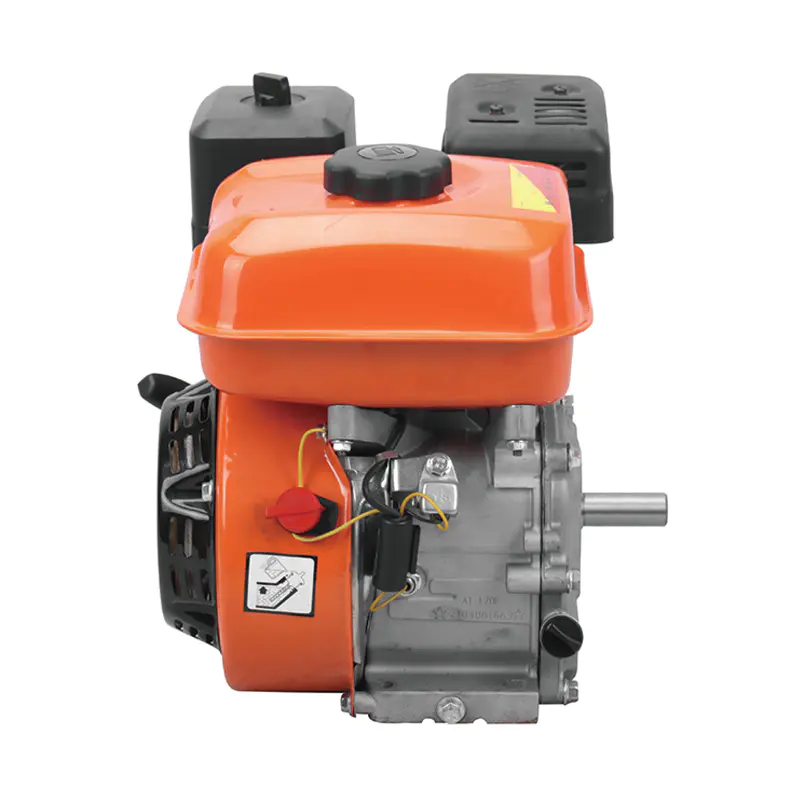
A Benzin Engine works on the spark-ignition principle. Air and fuel mix thoroughly before entering the cylinders, and a spark plug then initiates combustion to power the engine. In contrast, a diesel engine compresses air only within its cylinders, then injects fuel directly into the compressed air; the extreme heat generated by this compression process causes the fuel to ignite spontaneously. This core difference in combustion method shapes every other aspect of their performance and behavior.
Driving Feel and Power Delivery
The Benzin Engine tends to deliver power more smoothly across a wide range of engine speeds. It revs willingly and responds quickly to throttle inputs, which suits drivers who enjoy responsive acceleration and a dynamic driving experience. Diesel engines, however, produce their peak torque at lower crankshaft speeds—typically at around 1,500 to 2,500 RPM. That makes them feel strong during initial takeoff or when pulling a heavy load, but they run out of breath sooner as engine speed increases. For regular city driving and highway merging, where quick acceleration is often needed, the Benzin Engine often feels more lively and easier to handle.
Fuel Efficiency and Emissions
Diesel engines generally convert a larger portion of fuel energy into usable work, which means they use less fuel for the same distance under steady driving conditions, such as long highway trips. Yet they release different harmful byproducts—primarily nitrogen oxides (NOx) and particulate matter (PM)—that require additional after-treatment systems, like diesel particulate filters (DPF) and selective catalytic reduction (SCR), to meet emissions standards. A Benzin Engine produces lower amounts of those pollutants but emits more carbon dioxide (CO2) per unit of fuel burned. Neither technology is completely clean; each has distinct trade-offs that regulators and engineers continue to address through ongoing technological advancements.
Maintenance and Long-Term Costs
A diesel engine is built with heavier, more robust components to withstand the higher compression pressures it operates under. That sturdy construction can give it a longer service life in heavy-duty applications, such as commercial use, but when repairs are needed, parts and labor often cost more due to the engine’s complexity. A Benzin Engine typically has lower repair costs and simpler fuel systems, making routine maintenance more affordable. However, it may need more frequent attention to ignition components, such as spark plugs and ignition coils, and to the fuel injection system to maintain optimal performance.
Where Each Technology Stands Today
In many regions around the world, diesel engines remain common in commercial trucks, delivery vans, and long-distance vehicles because of their superior efficiency at steady loads and extended range. Passenger cars, especially those used primarily for short trips and stop‑and‑go traffic in urban areas, see a higher adoption of Benzin Engine models, thanks to their smoother performance and lower initial maintenance needs. Hybrid versions of the Benzin Engine—where an electric motor assists the gasoline engine—have become increasingly widespread in recent years, reducing fuel consumption and emissions without changing the driver’s refueling habits or daily driving experience.
Making a Choice
Drivers who cover long highway miles every day, such as commuters or frequent travelers, might prefer a diesel engine for its excellent fuel efficiency and longer range. Those who drive mostly in cities, value quieter operation, or plan to keep a vehicle for a medium number of years, often find a Benzin Engine meets their needs well. Ultimately, the right choice depends on individual driving patterns, local fuel prices, and access to reliable maintenance services in one’s area.