

 English
 русский
 Français
 Español
 عربى
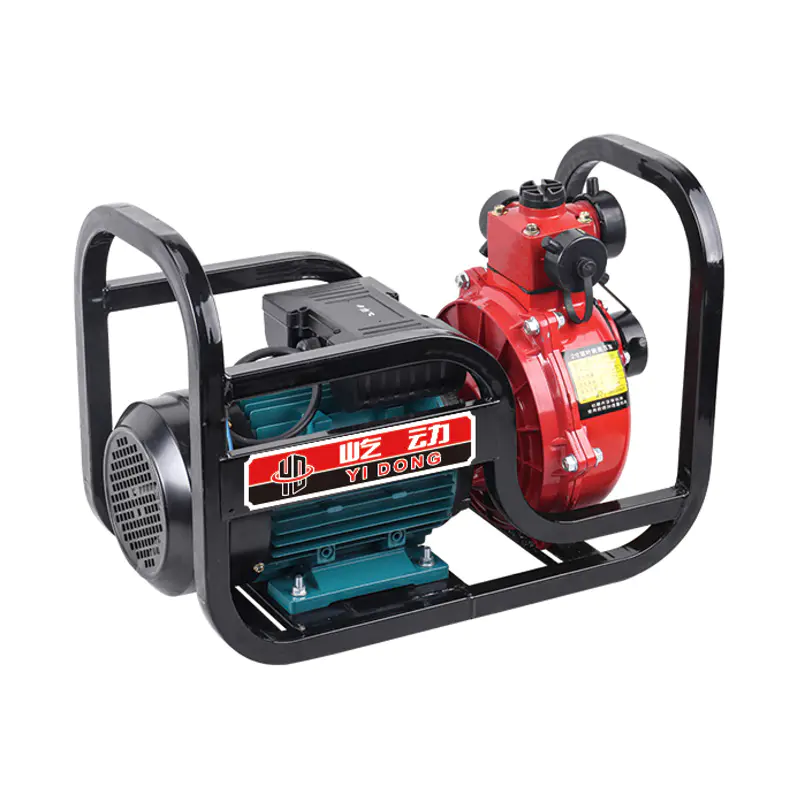
عربىDrilling contractors and dewatering crews working through thick, abrasive slurry are pushing pump suppliers for clearer answers on viscosity limits before committing to equipment orders. Purchasing engineers evaluating an electric mud hog pump for continuous slurry duty now ask for viscosity test data alongside standard flow curves, since a pump rated for clean water performance rarely holds up once particulate load and thickness climb on an active drilling site.
Impeller Design Under Load
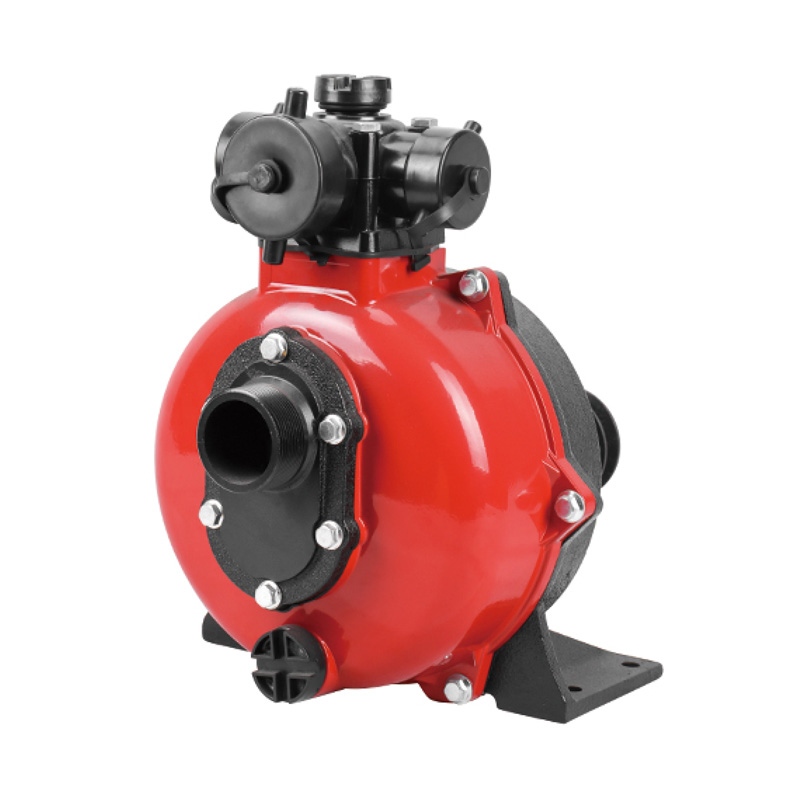
Impeller geometry decides how well a pump handles slurry with suspended solids rather than clear fluid. A semi-open impeller with wider vane clearance lets larger particles pass through an electric mud hog pump without jamming, though that clearance also trims peak efficiency compared with a tighter closed impeller built for clean liquids. Manufacturers balancing these two priorities generally favor the wider clearance design for mud and drilling fluid applications, accepting a modest efficiency tradeoff in exchange for fewer clogs during continuous operation.
Vane thickness also matters once particulate content includes sharp-edged rock fragments or sand. An abrasion-resistant impeller cast from hardened alloy or lined with a wear-resistant coating extends service intervals significantly compared with a standard cast-iron impeller running the same slurry mix, and shops running pumps around the clock track impeller wear against a scheduled inspection interval rather than waiting for a visible performance drop.
Motor Sizing And Duty Cycle
Motor sizing for an electric mud hog pump running thick slurry differs from sizing for clear-water transfer, since viscosity increases torque demand at startup and during sustained operation. Undersized motors on slurry duty tend to run hotter than their clean-water counterparts, shortening winding life even when the motor stays within its rated amperage on paper. Suppliers now recommend a duty-cycle review — continuous run versus intermittent cycling — before finalizing motor horsepower for a given slurry viscosity range.
|
Slurry Type |
Typical Solids Content |
Recommended Impeller Style |
|
Drilling mud, light |
5–15% by volume |
Semi-open, standard clearance |
|
Drilling mud, heavy |
15–30% by volume |
Semi-open, wide clearance |
|
Dewatering sludge |
Variable, fine particles |
Vortex or recessed impeller |
|
Mining slurry |
High abrasive content |
Hardened alloy, wide clearance |
Seal Systems And Fluid Compatibility
Seal selection on an electric mud hog pump affects both maintenance frequency and downtime cost when abrasive particles work their way toward the shaft. A mechanical seal paired with a flushing line keeps clean fluid circulating across the seal face, preventing particulate buildup that would otherwise score the seal surfaces over repeated cycles. Pumps lacking this flush arrangement generally need seal replacement on a shorter schedule once solids content in the pumped fluid rises above the level the seal was originally rated for.
Chemical compatibility between the pumped fluid and seal material also shapes seal life, since drilling additives and dewatering chemicals vary in pH and can degrade certain elastomer compounds faster than others. Buyers specifying a pump for a site using bentonite-based mud typically request a different seal material than buyers running polymer-based drilling fluid, since the two chemistries interact differently with common elastomer options.
Submersible Versus Surface-Mounted Configurations
Site conditions determine whether a submersible pump design or a surface-mounted configuration fits better for a given slurry transfer job. A submersible unit lowered directly into a mud pit avoids priming issues and suction lift limitations that surface-mounted pumps face when fluid level drops during active drilling. Surface-mounted units, in contrast, offer easier access for motor servicing without pulling the pump from the pit, a factor that matters on sites running continuous multi-day drilling programs where downtime for maintenance carries a real production cost.
An electric mud hog pump configured for submersible use typically requires a sealed cable entry and a cooling jacket around the motor housing, since the motor lacks the open-air cooling a surface-mounted unit relies on. Sites cycling between mud pits of different depths also need to confirm cable length and float switch placement match the pit configuration before deployment, rather than assuming a standard cable length covers every site layout.
Matching Pump Selection To Site Conditions
Slurry transfer volume, particle size distribution, and pit depth together shape which electric mud hog pump specification fits a given site, and contractors increasingly request a site-specific slurry sample analysis before finalizing pump selection rather than relying on general viscosity ranges quoted from equipment catalogs. That sample-based approach has reduced early-life pump failures on sites where actual slurry composition differed meaningfully from the assumptions used during initial equipment selection.