

 English
 русский
 Français
 Español
 عربى
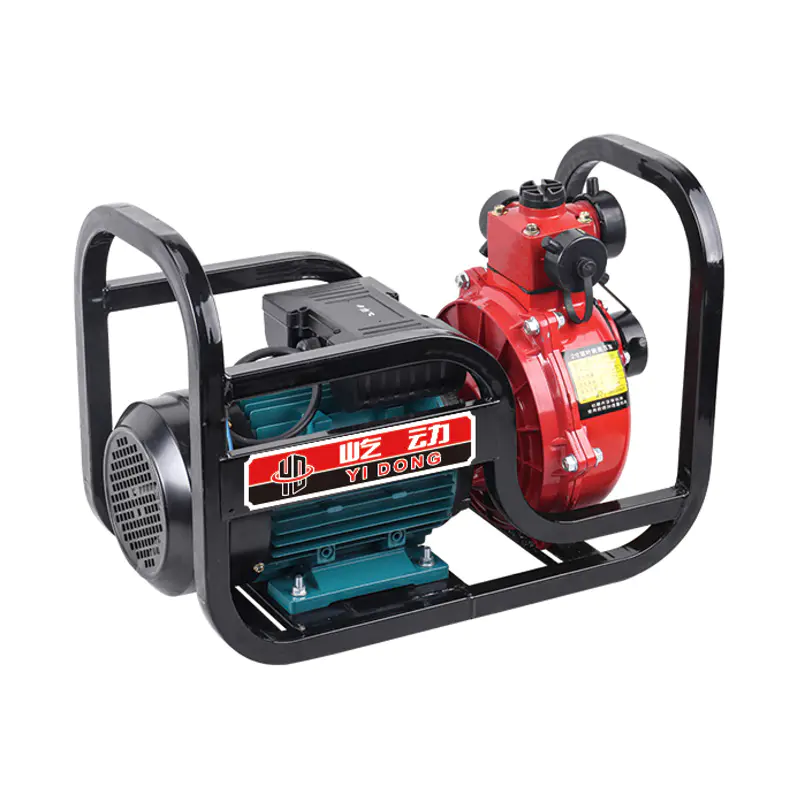
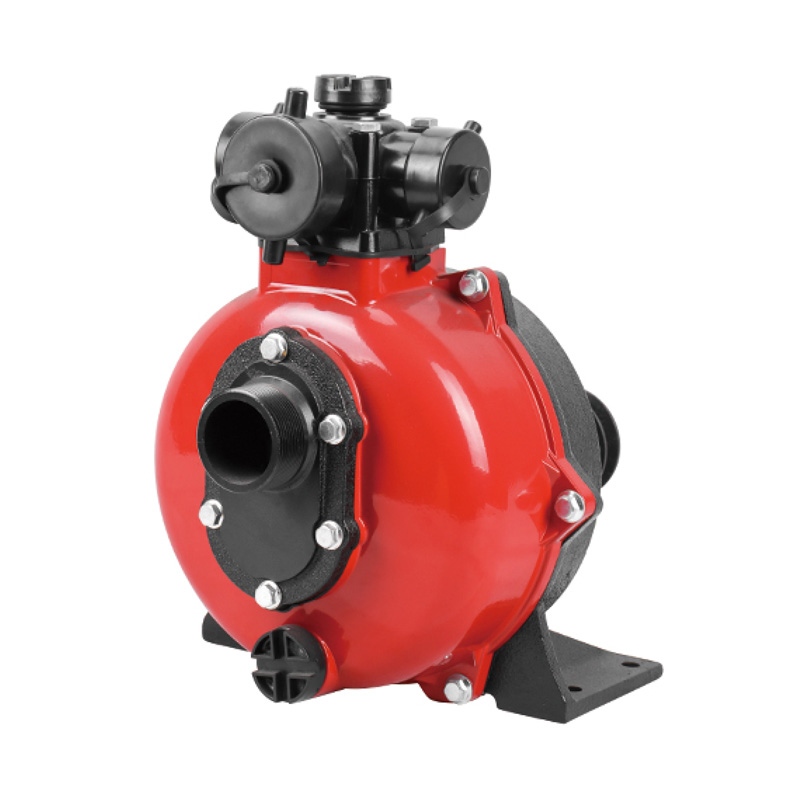
عربىPetrol Water Pump is often expected to deliver a consistent flow during field operation, especially in agriculture, construction drainage, and emergency water transfer scenarios. However, in real working environments, operators frequently notice that water output does not always remain completely stable under different site conditions.
On many job sites, a gasoline water transfer pump is used in situations where water needs to be moved quickly without fixed power supply, making real-time performance more dependent on surrounding conditions than laboratory expectations.
Flow Output Changes With Water Source Conditions
Water conditions are rarely uniform in real environments.
Some water sources contain sediment.
Some are relatively clean but vary in depth.
Some fluctuate depending on rain or drainage levels.
These differences directly affect how a Petrol Water Pump behaves during continuous operation.
Operators often notice that flow feels smoother when water is clean, but slightly irregular when debris concentration increases.
Suction Height Influences Real Performance
Suction conditions are not always stable during field use.
The pump may be placed at different ground levels.
Water level may drop gradually during operation.
Hose length may be adjusted depending on site layout.
These factors influence how a gasoline water transfer pump maintains suction consistency during longer working cycles.
Hose Layout Affects Flow Behavior
Hose positioning is often changed during operation.
A straight hose allows smoother flow movement.
Bends or elevation changes create additional resistance.
Loose connections may introduce small pressure loss.
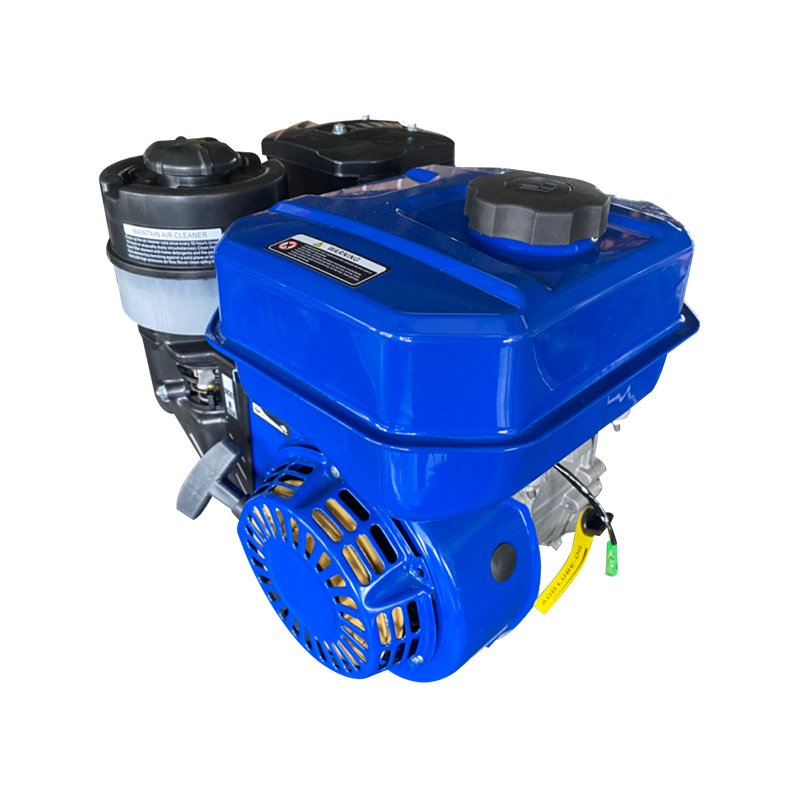
Even when the pump is operating normally, these physical changes can alter how a Petrol Water Pump performs at the outlet end.
Engine Speed Is Not Always Fully Constant
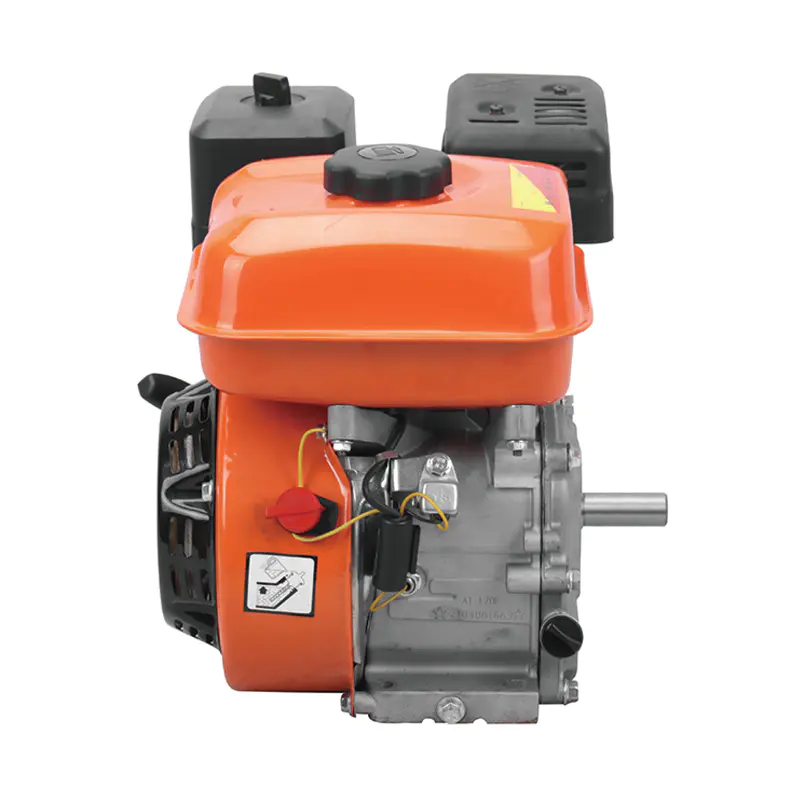
Although the engine runs continuously, load conditions may cause slight variation in operating behavior.
Fuel quality differences may influence combustion stability.
Long operation periods may introduce minor speed fluctuation.
These changes are usually subtle but can affect flow steadiness in a gasoline water transfer pump during extended use.
Intake Blockage Appears Gradually
Intake screens are designed to filter debris.
However, during operation, small particles may still accumulate over time.
This does not stop the pump immediately.
Instead, it gradually reduces water intake efficiency.
Operators often detect this first as a slight reduction in output from a Petrol Water Pump, especially during continuous drainage work.
Temperature Build-Up During Continuous Work
During long operation, engine temperature gradually increases.
In open environments, cooling is more effective.
In confined or dusty environments, heat dissipation may slow down.
This thermal variation can slightly influence the output stability of a gasoline water transfer pump, especially during long drainage tasks.
Field Adjustment Happens Frequently
In real applications, users often adjust the pump setup during operation.
Hose direction may be changed.
Suction position may be repositioned.
Filter cleaning may be performed on-site.
These adjustments are not part of initial setup alone but continue throughout use of a Petrol Water Pump in practical working environments.
Output Stability Depends On Combined Conditions
Flow stability is rarely influenced by a single factor.
Water quality, suction height, hose layout, engine condition, and intake cleanliness all interact together.
When changes appear, they are usually the result of multiple small influences rather than one clear issue in a gasoline water transfer pump system.
Real Use Observation Matters More Than Specification
In field operation, users rarely judge pumps by catalogue values alone.
They rely on how stable the flow feels during actual work.
Whether water delivery remains consistent over time.
Whether adjustments are frequently needed.
These practical observations define how a Petrol Water Pump is ultimately understood in daily use conditions.