

 English
 русский
 Français
 Español
 عربى
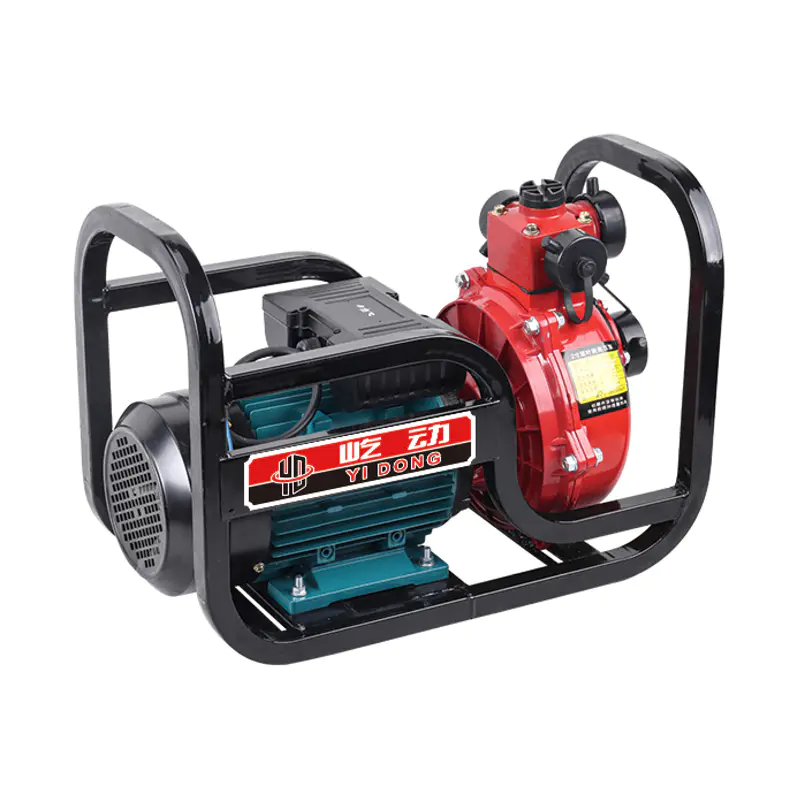
An Electric Water Pump For Watering Plants does one job in a chain of four: it takes water from a source and pushes it into a line that ends at the roots. Angteng lists six electric water pumps, with the names carrying 2, 3 and 4 inch sizes, and the choices around them follow the same chain. This article walks through it in order: the source, the pump, the supply that powers it and the schedule that runs it.
Start at the water
Plant watering draws on three common sources: a storage tank, a shallow source such as a pond or a channel, and a well. The category description separates electric pumps into surface and submersible types. Surface pumps suit tanks and shallow sources, and submersible pumps suit deep wells and sump pits. An Electric Water Pump For Watering Plants is chosen for the source at the outset, because the source decides where the pump sits.
Height matters as well. A tank placed above the pump feeds it by gravity, while a pond below the pump has to be drawn up. Two models in the range carry the words self-priming in their names: the 3 inch high pressure large flow pump and the double impeller agricultural pump. A self-priming pump can clear air from its suction line and draw water up from a source below it, which is what a pond or a low tank asks for.
Read the port size
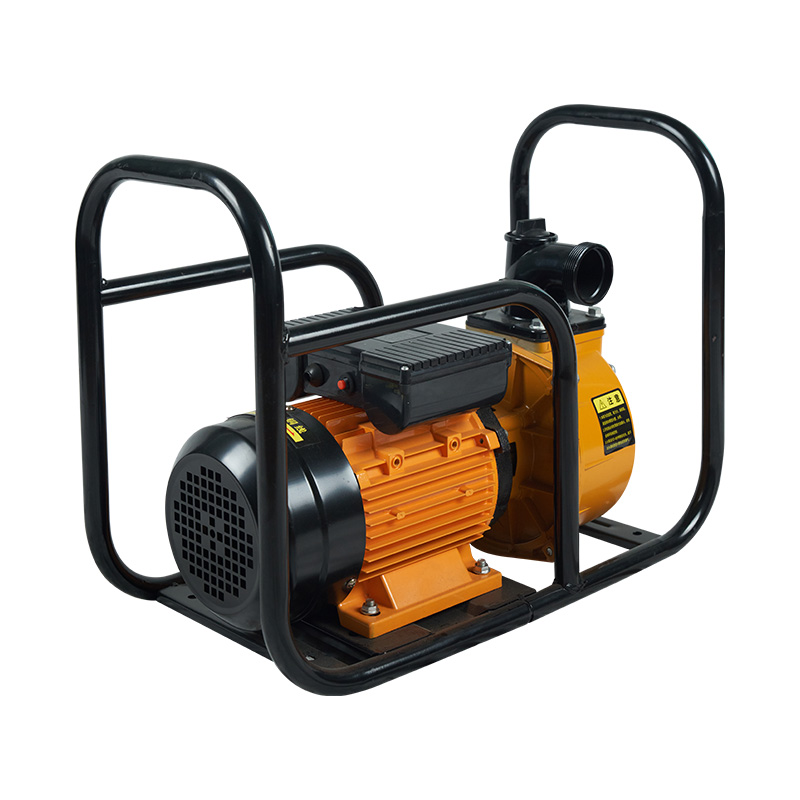
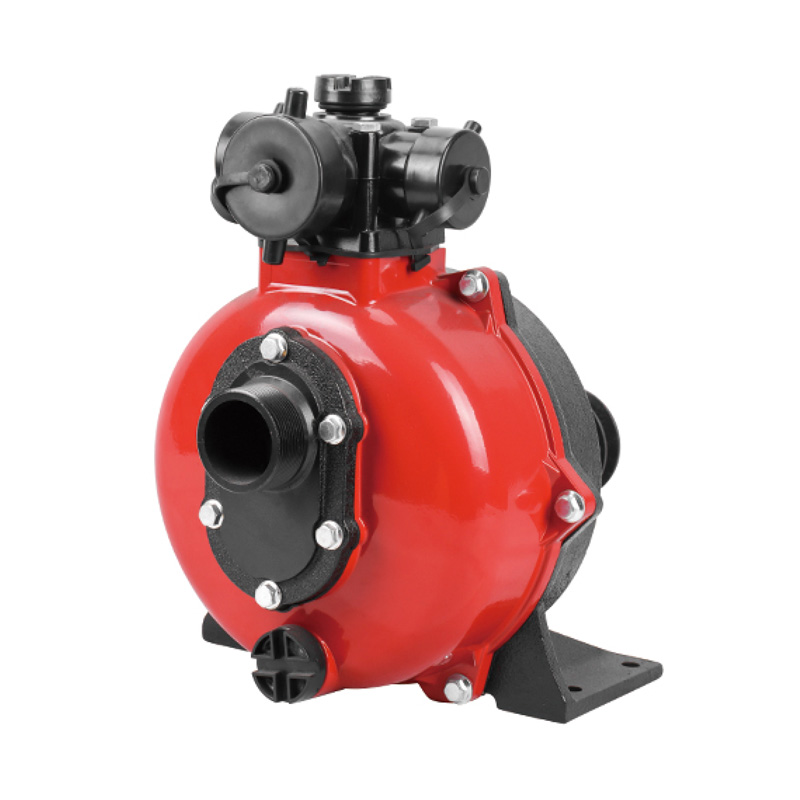
An inch figure in a pump name usually refers to the port diameter, the opening where the pipe connects. The range includes a 3 inch portable pump, a 3 inch high pressure pump and an irrigation pump offered in 2, 3 and 4 inch sizes. In millimetres those ports measure about 51, 76 and 102. Ports of this size sit at the larger end of plant watering, closer to an orchard or a field block than to a single potted plant.
The port size sets the pipe that joins the pump. The discharge pipe is chosen to match the port, because a narrower pipe at the connection squeezes the line right at the pump. Branch lines can then step down to smaller diameters toward the plants, with a reducer at each change. A buyer who knows the port size of an Electric Water Pump For Watering Plants can plan the main line, the branches and the fittings from that one number.
Bring power to the pump
An electric pump runs from a supply, and watering sites are often some distance from the nearest socket. A long run of thin cable lowers the voltage that reaches the motor. The motor then draws more current to do the same work and runs warmer. A cable sized for the length of the run keeps the voltage at the motor close to the supply voltage. A cable reel is unrolled completely, since a coiled cable under load heats up, and connections stay off wet ground.
The category description refers to 220V pumps for home water supply, irrigation and light industrial use. For a gardener or a farm manager, the supply is the part of an Electric Water Pump For Watering Plants that is easiest to overlook, because it sits between the socket and the pump and does not appear on the pump's nameplate.
Set the schedule
Because an electric pump runs from mains power, the schedule can be handled with a plug-in timer rated for the pump's motor load. The category description adds that many modern electric pumps come with automatic shut-off and variable speed control, and that these features help optimise performance and reduce energy consumption. It also notes that quiet operation suits residential areas where noise is a concern, so early-morning or evening watering near houses does not disturb neighbours.
A pump relies on water in its casing, and running it dry can damage the seal. A timer that starts the pump only while the source is supplying water avoids that problem. The same habit applies to a tank: when the tank runs empty, the pump is switched off before it runs on air.
The chain as a checklist
Taken in order, the chain gives a short checklist. The source decides whether the pump is a surface or a submersible type, and whether it needs to be self-priming. The port size decides the pipe and the fittings. The supply decides the cable, and the schedule decides the timer. An Electric Water Pump For Watering Plants that has been matched to all four steps delivers water to the roots without the surprises that come from treating the pump as a stand-alone part.