

 English
 русский
 Français
 Español
 عربى
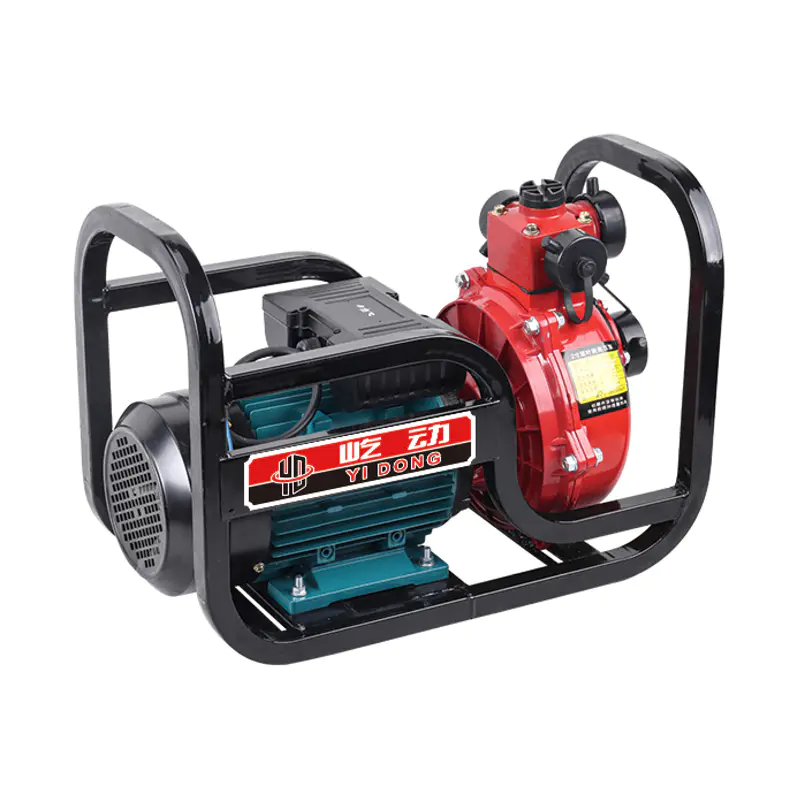
A water pump can be correctly selected and still perform poorly if the hose arrangement does not suit the job. On irrigation sites, construction areas, and temporary water transfer projects, hose length, connection fit, and routing all affect installation. For distributors supplying a WP20 2inch Water Pump, these details deserve attention alongside the pump's specifications.
A two-inch connection provides a starting point for planning the water line, but the complete setup involves more than matching the nominal diameter. The suction side and discharge side serve different functions, and each requires a suitable arrangement.
Check Both Ends of the Water Line
The suction hose carries water from the source to the pump inlet, while the discharge hose directs it toward the destination. Their requirements differ, so the same hose should not automatically be used for both purposes.
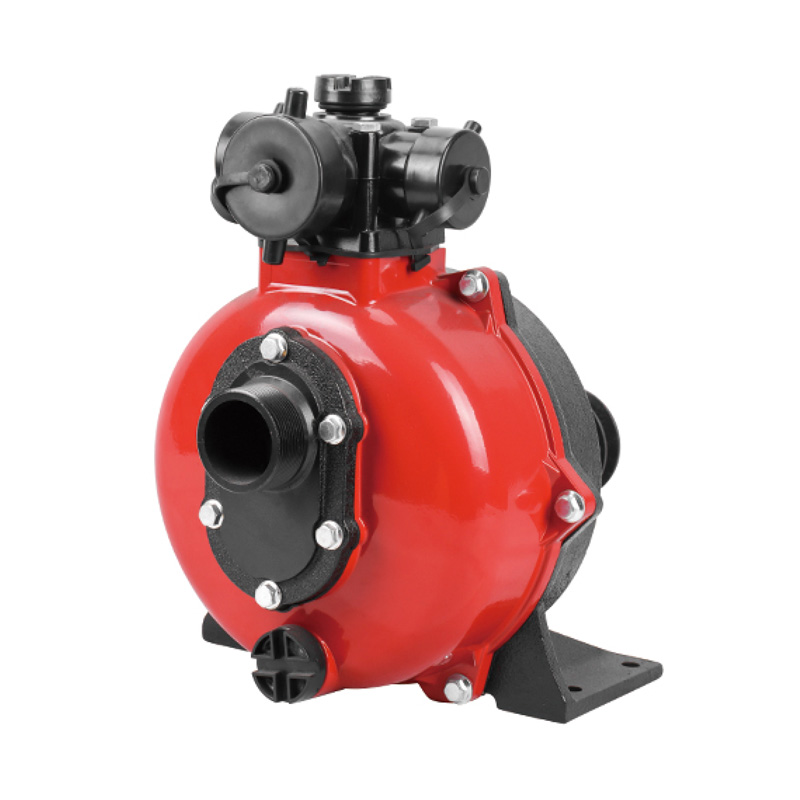
When preparing a WP20 2inch Water Pump, the inlet connection should match a suitable suction hose and compatible fittings. The hose must be designed for suction service, as a hose that collapses under negative pressure can restrict water intake.
The discharge line also needs secure connections. Loose fittings may cause leakage, while incompatible connectors can introduce unnecessary joints. Before operation, installers should confirm the inlet and outlet specifications and check that hoses, clamps, and adapters fit the actual pump model.
Keep the Suction Line Practical
The water source often determines the suction hose route. A long or awkwardly arranged line can make installation more difficult, especially when equipment moves between ponds, tanks, drainage points, and other water sources.
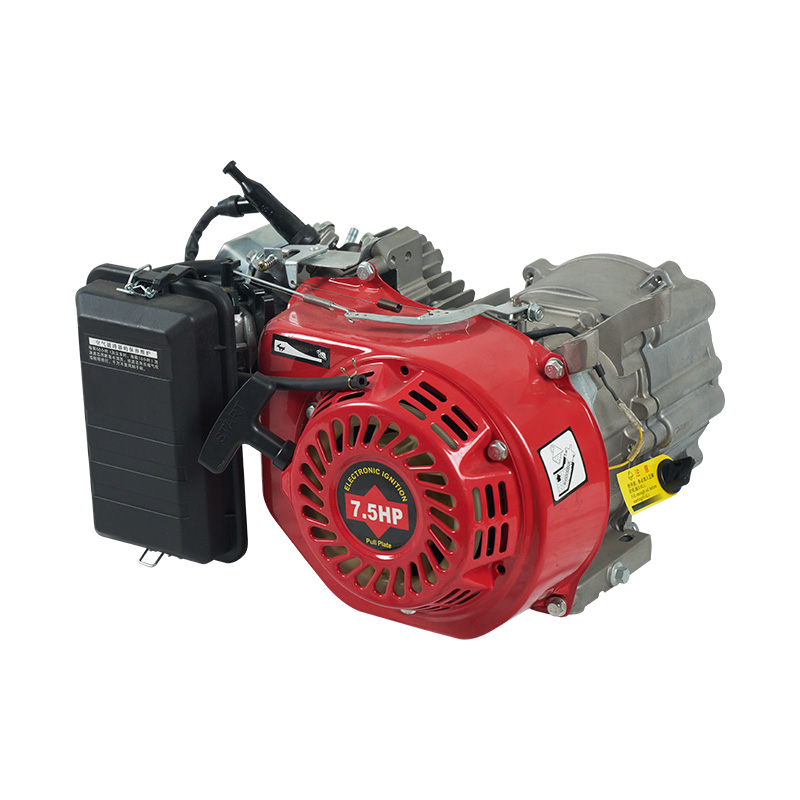
For a WP20 2inch Water Pump, the suction hose should follow a direct route where site conditions permit. Avoid unnecessary bends, damaged sections, and poorly secured connections. Air entering through a loose joint can interfere with water intake even when no obvious water leak is visible.
The pump's position and suction arrangement must also follow the manufacturer's instructions. Suction lift and other operating limits vary by model, so they should be checked against the relevant technical documentation rather than assumed from the two-inch outlet size.
Plan the Discharge Route
The discharge hose may extend toward a field, storage tank, drainage channel, or temporary collection point. Planning the route before starting work helps reduce unnecessary repositioning and keeps the work area organized.
A WP20 2inch Water Pump should use a discharge line suited to the intended application. Excessive hose length, sharp bends, and restrictions can increase resistance and affect water delivery. Where the discharge point is elevated, the required operating conditions should be compared with the pump's rated performance.
Hoses should be positioned where they are less likely to be crushed, kinked, or damaged by vehicles and other equipment. If the route changes substantially, the system conditions may change as well. A hose arrangement that works at one site may not provide the same result at another.
Inspect Connections Before Operation
A brief inspection can identify many installation problems before the pump enters regular service. Check hose condition, fitting compatibility, clamp security, and the stability of the pump's position. Particular attention should be given to the suction side because small air leaks may not be easy to identify.
For a WP20 2inch Water Pump, any additional strainer, valve, or fitting should be suitable for the intended system and should not create an excessive restriction. Installation should follow the instructions supplied for the specific model.
During initial operation, check for visible leakage, abnormal vibration, and unexpected changes in water delivery. If the pump does not draw or discharge water as expected, review the connections, hose layout, and operating conditions before continuing. This helps distinguish installation issues from possible equipment problems.
Prepare for Different Site Conditions
Temporary water transfer rarely takes place under identical conditions. A pump may be moved to another water source, connected to a longer hose, or used where the discharge point is higher. These changes can affect the setup even when the pump remains the same.
Distributors supplying a WP20 2inch Water Pump should confirm the actual inlet and outlet details before coordinating hoses and accessories. The correct fittings should be selected for the supplied model rather than based solely on its nominal connection size.
For bulk orders, checking these details early can also simplify equipment preparation at the destination. If a project has unusual suction or discharge requirements, the operating conditions should be reviewed with the manufacturer before the equipment is dispatched.
A Practical Water Transfer Setup
The performance of a WP20 2inch Water Pump depends on both the pump's specifications and its connection to the water source and discharge point. Suitable hoses, secure fittings, sensible routing, and a pre-operation inspection help establish a more reliable installation.
For overseas distributors and contractors, confirming these details before deployment can reduce avoidable setup problems. Matching the complete hose arrangement to the specific pump model and site conditions is more useful than treating the two-inch connection as the only selection criterion.