

 English
 русский
 Français
 Español
 عربى
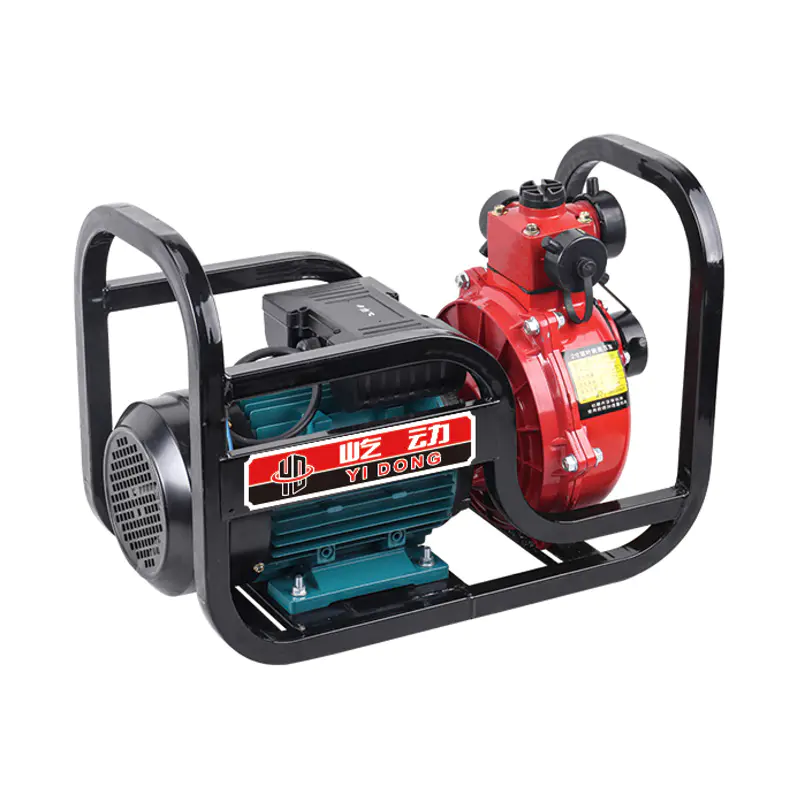
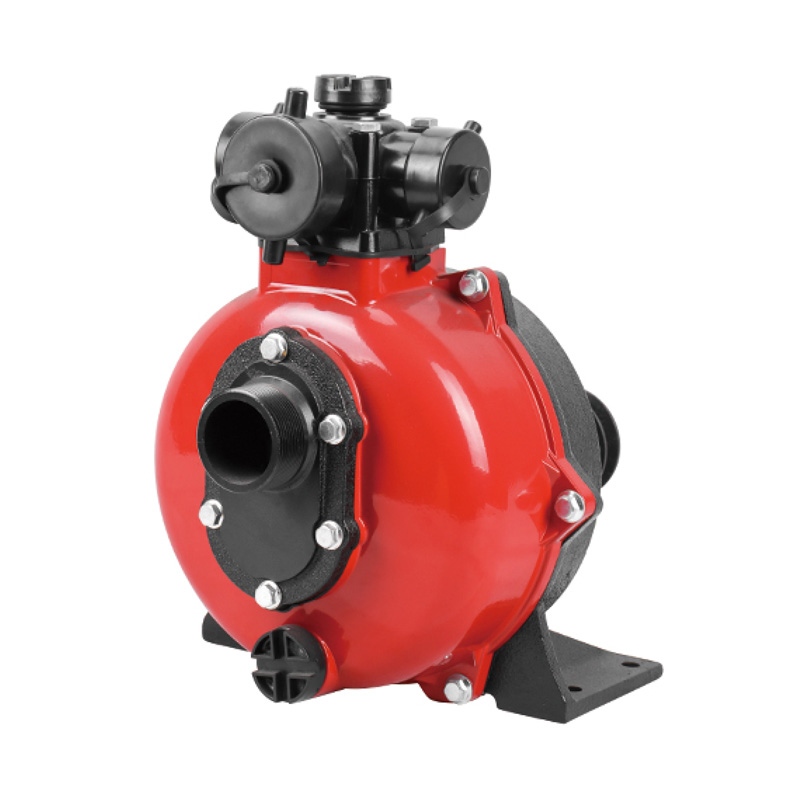
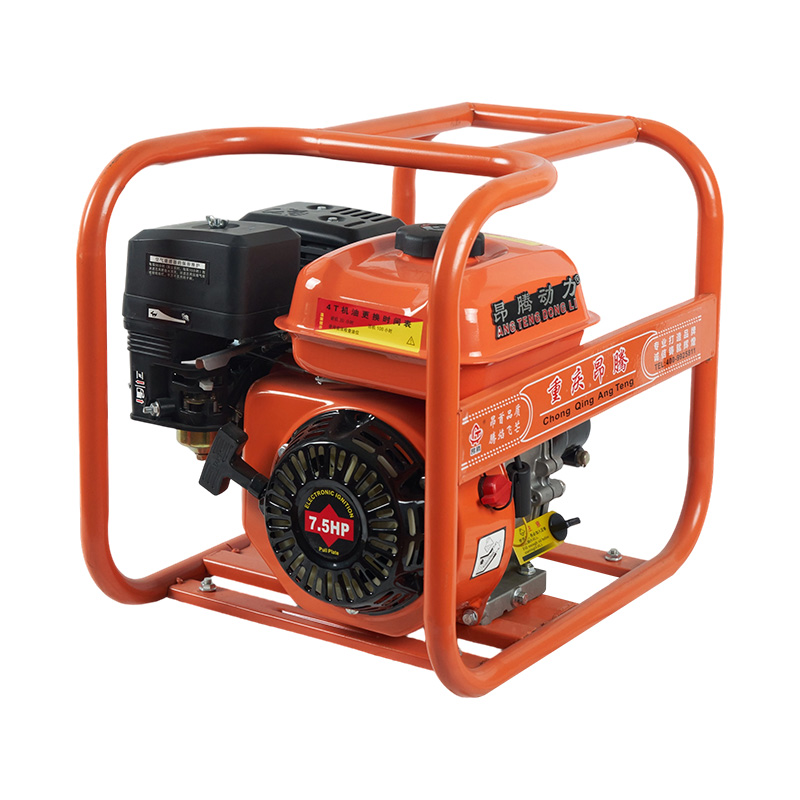
عربىGasoline engine water pumps s are essential tools for irrigation, drainage, and construction tasks where electricity is unavailable. Selecting the appropriate pump depends on the required flow rate, lift capacity, and specific operational needs. When paired with a Gasoline Power Sprayer Unit, these pumps can provide a multifunctional solution, allowing operators to perform both water transfer and spraying tasks efficiently. Choosing the right combination of pump and sprayer ensures effective performance and smooth operations across different applications.
Determining Flow Rate Requirements
Flow rate is a critical factor when choosing a gasoline engine water pump. For small agricultural plots or garden areas, moderate flow rates may suffice, allowing operators to water crops and use a sprayer unit for fertilization or pest control without overloading the system. For larger fields, orchards, or construction sites, higher flow rates are often necessary to move water quickly and ensure that tasks are completed on schedule. Understanding the scale of the operation helps in selecting a pump that matches the required capacity and integrates well with a Gasoline Power Sprayer Unit for combined operations.
Matching Pump and Engine Specifications
In addition to flow rate, operators should consider engine power, lift height, and hose compatibility when selecting a gasoline engine water pump. Choosing a pump that aligns with the operational requirements of both irrigation and drainage tasks ensures efficient water management. The Gasoline Power Sprayer Unit should be compatible with the selected pump, allowing the operator to manage multiple tasks without compromising performance. Portability and ease of use are also important, particularly when equipment must be moved between fields, orchards, or construction sites.
Application-Based Selection
Agricultural Use: Gasoline engine water pumps are suitable for irrigating crops, orchards, and greenhouses. Pairing with a Gasoline Power Sprayer Unit allows operators to apply water, fertilizers, and pest control treatments simultaneously, enhancing workflow efficiency.
Construction and Site Management: These pumps are effective for temporary water removal, trench drainage, and foundation dewatering. Using a sprayer unit in conjunction can help control dust or clean surfaces during construction activities.
Emergency and Temporary Situations: Portable pumps can assist with water transfer during emergencies, seasonal flooding, or maintenance operations, while the sprayer unit can provide additional treatment or cleaning functions.
By understanding the specific application needs, operators can select the right combination of pump and sprayer to achieve reliable performance. Proper equipment selection ensures that irrigation, drainage, and spraying tasks can be completed efficiently, reducing manual labor and saving time.
Operational Considerations
To maintain efficiency, operators should monitor fuel levels, inspect hoses, and ensure that connections are secure. Routine checks of the Gasoline Power Sprayer Unit, including nozzle function and engine operation, help prevent interruptions during combined operations. Planning the sequence of water pumping and spraying tasks can further improve productivity, allowing operators to maximize the use of both devices without delays.
Choosing the correct gasoline engine water pump requires careful consideration of flow rate, lift, engine specifications, and operational needs. Integrating a Gasoline Power Sprayer Unit enhances functionality by enabling simultaneous irrigation, spraying, and water management tasks. By selecting appropriate equipment, performing routine inspections, and coordinating operations effectively, users can achieve reliable performance and greater efficiency in both agricultural and construction environments. The combination of a gasoline engine water pump and a sprayer unit offers versatile solutions to meet diverse water management and treatment requirements.