

 English
 русский
 Français
 Español
 عربى
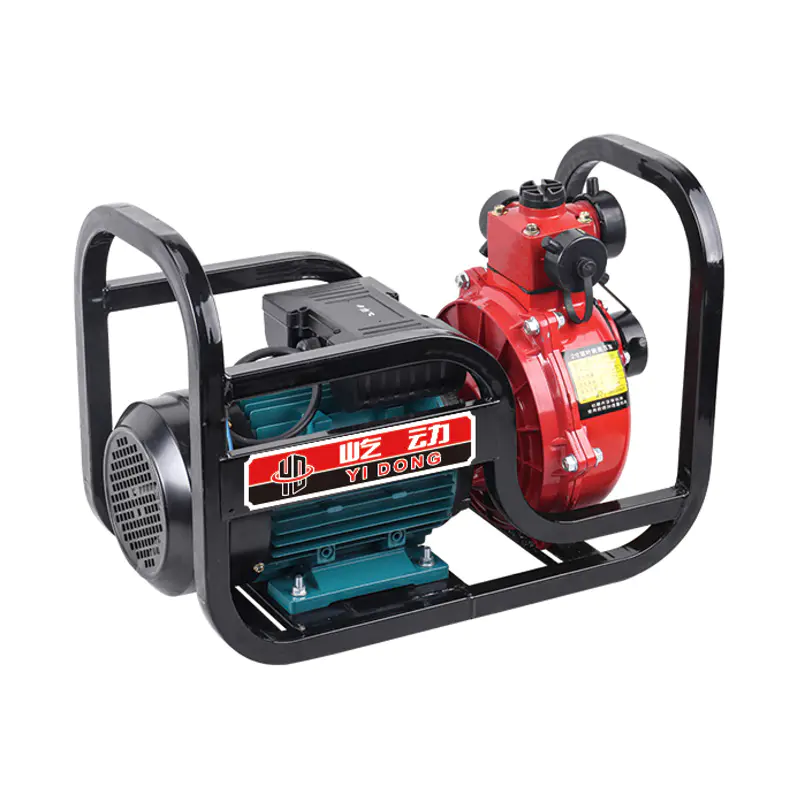
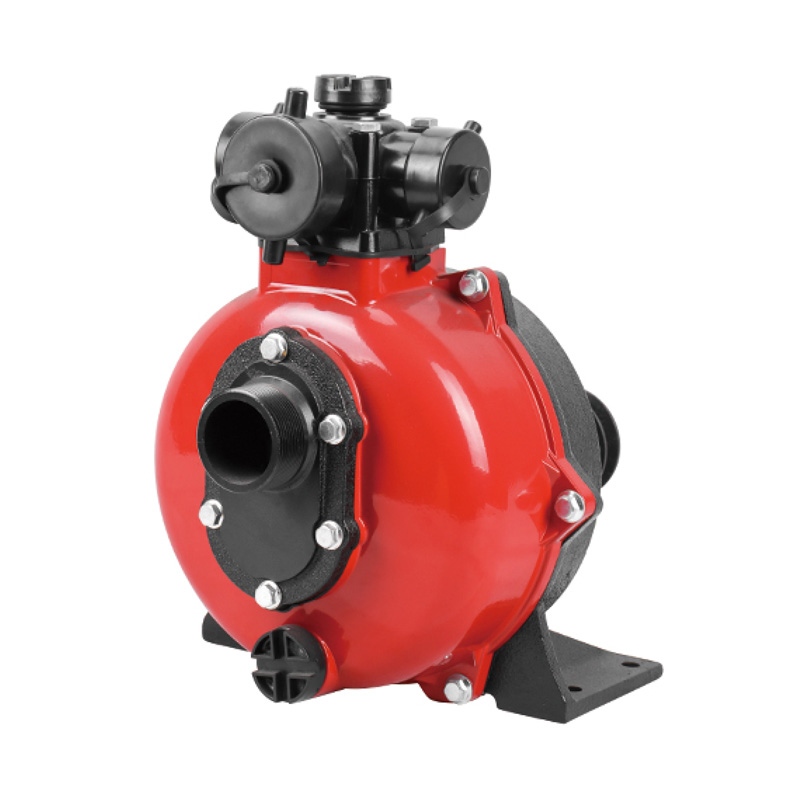
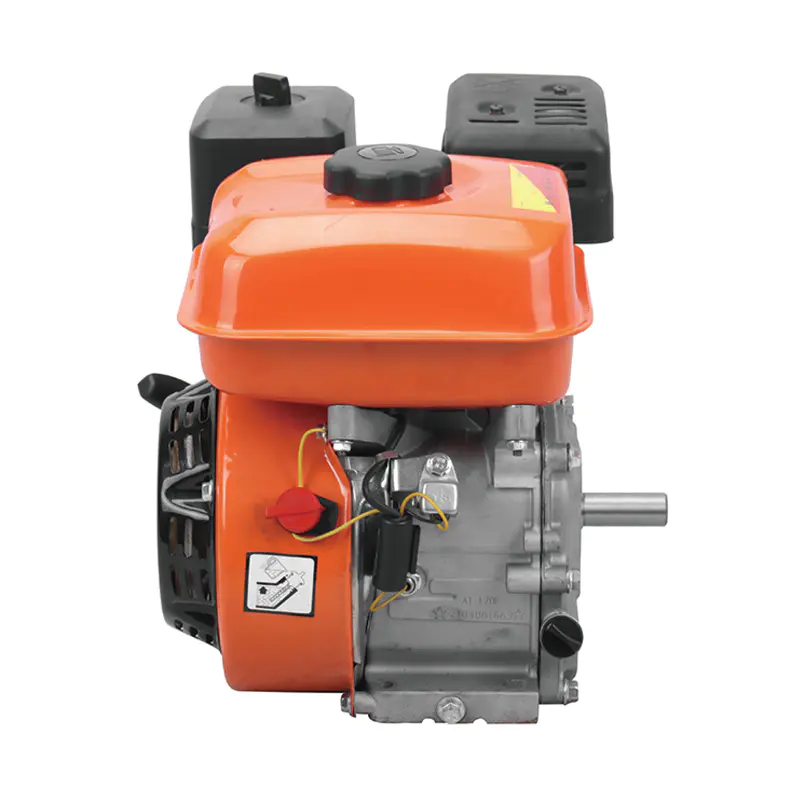
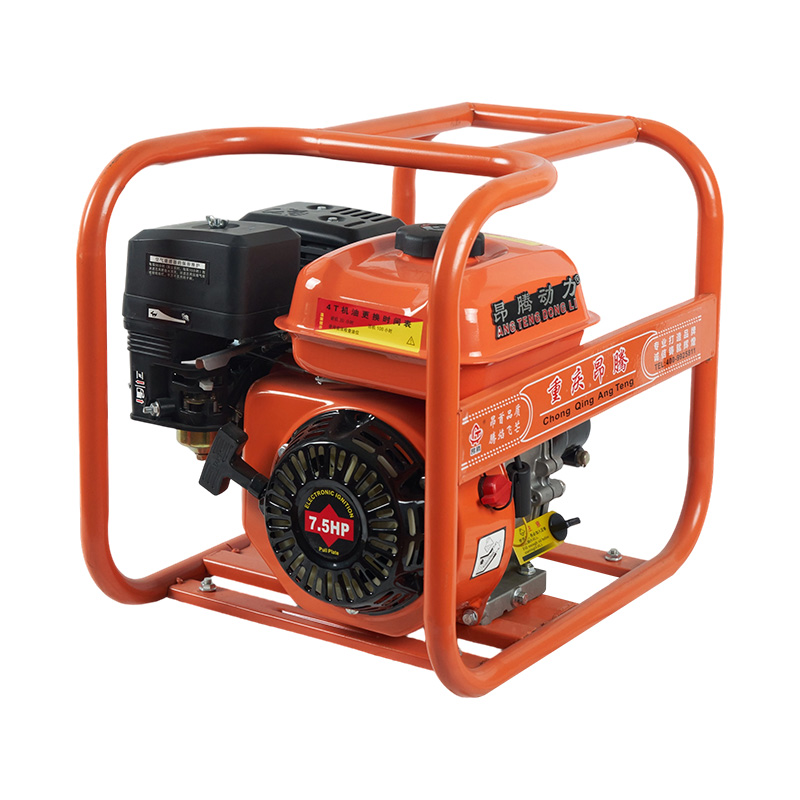
عربىGasoline engine water pumps are widely used in agriculture and construction to move water efficiently where electricity is unavailable. Maintaining these pumps is essential to ensure consistent performance and extend their operational life. When combined with a Gasoline Power Sprayer Unit, proper maintenance is even more important, as both devices are often used together for irrigation, spraying, and dust control tasks. By following maintenance best practices, operators can maximize reliability and reduce downtime during critical operations.
Daily Maintenance Practices
Daily inspection is a key part of keeping gasoline engine water pumps operating smoothly. Operators should check fuel levels, ensure that hoses and connections are secure, and clean filters to prevent clogging. The Gasoline Power Sprayer Unit should also be inspected to confirm that spray nozzles are functioning correctly and that the engine operates efficiently. Simple daily tasks, such as wiping down external surfaces and checking for leaks, can prevent larger issues from developing over time.
Seasonal and Long-Term Maintenance
Before storing the equipment for a long period, pumps and sprayer units should be drained of water and cleaned thoroughly to prevent corrosion or other damage. Engines should be maintained according to recommended schedules, including oil changes, spark plug inspection, and lubrication of moving parts. Proper storage in a dry and ventilated area is essential to preserve durability. Coordinating maintenance for both the gasoline engine water pump and the Gasoline Power Sprayer Unit ensures that the devices are ready for immediate use when needed.
Troubleshooting Common Issues
Operators may encounter common problems such as difficulty starting the engine, low water flow, or uneven spraying. Many of these issues can be addressed through regular inspection, cleaning, and minor adjustments. Checking hoses for blockages, confirming fuel quality, and ensuring that the engine is operating within normal parameters are effective first steps. When both a pump and a sprayer unit are used together, maintaining both systems simultaneously is critical to prevent one from limiting the effectiveness of the other.
Best Practices for Efficient Operation
To improve workflow efficiency, operators should plan the use of gasoline engine water pumps and Gasoline Power Sprayer Units carefully. Optimizing irrigation routes, monitoring water levels, and adjusting spray patterns help achieve even coverage and prevent unnecessary labor. Transporting the equipment safely and handling it properly during operation reduces wear and tear, further extending service life. Coordination between operators is essential when using both devices in large fields or on construction sites to maximize efficiency and avoid operational delays.
Benefits of Proper Maintenance
Maintaining gasoline engine water pumps and Gasoline Power Sprayer Units ensures reliable performance during demanding tasks. Well-maintained equipment operates more efficiently, requires fewer repairs, and lasts longer, reducing overall costs and operational disruptions. Routine maintenance also allows operators to identify potential issues early, preventing equipment failures that could impact agricultural yields or construction schedules.
Gasoline engine water pumps are versatile tools that provide essential support in both agriculture and construction, but their performance depends on proper maintenance. When combined with a Gasoline Power Sprayer Unit, coordinated upkeep ensures that both devices operate reliably and efficiently. By following daily and seasonal maintenance routines, troubleshooting issues promptly, and practicing careful operation, operators can maintain consistent performance, improve workflow efficiency, and extend the service life of these essential tools.