

 English
 русский
 Français
 Español
 عربى
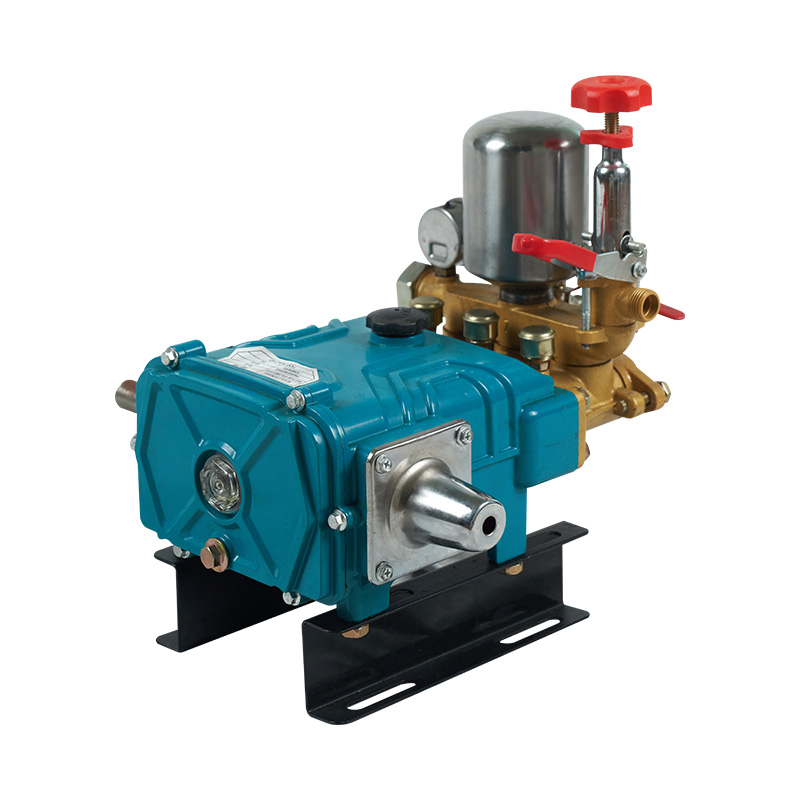
عربىA Gasoline Power Sprayer Unit is widely used across agricultural, horticultural, and outdoor maintenance tasks, making it an essential tool for users who need consistent spray performance. With frequent use, however, various operational issues can appear. Users commonly report challenges such as unstable pressure, reduced spray output, engine-starting difficulties, or clogged components. Understanding these problems and implementing effective troubleshooting methods can greatly improve day-to-day performance and overall user experience.
Pressure-Related Problems
One of the issues often encountered involves inconsistent pressure. Users may observe weaker spray reach, fluctuating flow, or uneven patterns. These conditions usually stem from air leaks, worn pump seals, restricted filters, or thick chemical residues within internal lines. Addressing pressure issues begins with examining the suction hose, clamps, and joints for loose areas where air may enter. Pump seals should be inspected for wear, and any debris in the filter or strainer should be cleared to restore smooth flow.
Engine-Starting Difficulties
Engine problems also occur frequently, especially after long storage intervals or when fuel quality declines. Typical symptoms include hard starting, stalling shortly after ignition, or rough running. Many of these issues originate from old fuel, clogged carburetor passages, or dirty spark components. A practical response includes emptying old fuel, refilling with fresh fuel, and checking for contamination in the tank. Clearing carburetor passages and refreshing worn spark elements can help stabilize operation.
Clogged Nozzles and Restricted Hoses
Clogged nozzles represent one of the most common disruptions during spraying. Agricultural chemicals, especially concentrated formulas, can leave residues that accumulate over time. When nozzles narrow, the spray pattern becomes irregular or stops entirely. Regular cleaning using soft brushes, soaking solutions, or compressed air can preserve spray quality. Hoses may also restrict flow when residues settle inside, making flushing essential after each use.
Pump Wear and Lubrication Challenges
The pump is the main mechanical component responsible for pressure generation. When lubrication is neglected or foreign material enters the pump chamber, wear accelerates. Users should inspect pump oil levels regularly, drain contaminated lubricant, and avoid running the sprayer when the tank is empty, which can cause overheating.
Troubleshooting Steps Users Can Apply Onsite
A systematic troubleshooting approach can prevent unnecessary downtime. Essential steps include:
Checking filters and strainers
Inspecting hose connections
Verifying spray gun operation
Adjusting spray settings for the intended task
Observing vibration or noise patterns that may signal deeper issues
Completing each step methodically helps narrow down the root cause of performance loss.
Practical Solutions and Preventive Measures
Adopting preventative practices is key to reliable operation. Users should flush the system after handling chemicals, clean tank interiors, and store the sprayer in a dry location. Replacing worn nozzles or brittle hoses before they break can also improve safety.
Improving Long-Term Reliability
Simple habits — such as cleaning after use, checking seals regularly, and monitoring spray patterns — can reduce long-term issues. By understanding how each component contributes to overall function, operators can maintain consistent performance throughout an entire working season.
Supporting Ongoing Function
Many operational challenges can be reduced through consistent care. Using fuel soon after purchase and stabilizing it for storage, cleaning the unit thoroughly after each use to prevent chemical residue buildup, and following the recommended starting procedure support smoother operation. Storing the sprayer in a dry, covered area protects its components. Establishing a routine for periodic inspection of hoses, seals, and filters helps identify wear before it leads to an interruption in work. This proactive perspective on care contributes to the sprayer's readiness over time.
Addressing functional challenges with a gasoline power sprayer unit involves observing symptoms, applying a logical sequence of checks, and taking measured corrective actions. Combining this responsive approach with regular care practices aids in maintaining the tool's operational availability. Sharing experiences with common solutions can benefit the wider community of users.