

 English
 русский
 Français
 Español
 عربى
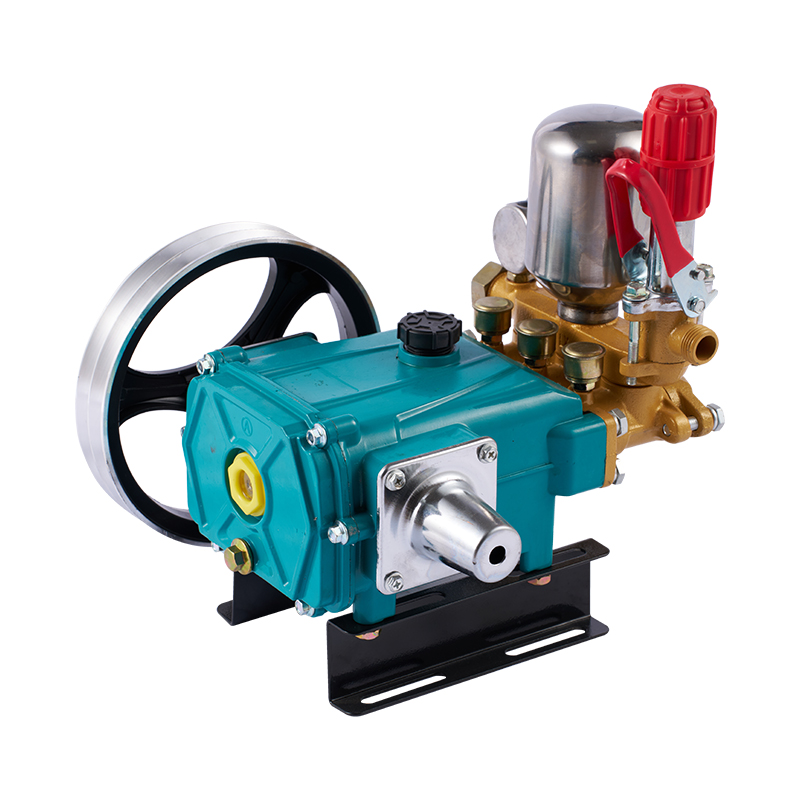
عربىA Gasoline Power Sprayer Unit plays a central role in field spraying, agricultural protection, and outdoor sanitation work. Because this type of equipment operates in dusty, chemical-rich, and demanding environments, maintenance becomes crucial. Users often find that consistent upkeep supports stable performance, predictable spray quality, and dependable operation in large outdoor spaces.
Daily Maintenance Tasks for Field Work
Before beginning a work session, operators should perform several checks. These include inspecting hoses for cracks, ensuring fuel lines are secure, verifying that the filter remains free of debris, and checking the overall condition of the spray gun. Clearing the nozzle after each session can prevent blockages that may appear the following day. Daily attention helps avoid interruptions during field operations.
Weekly Care for Critical Components
A weekly inspection focuses on components exposed to higher stress. The pump should be checked for lubrication, and all joints should be tightened to avoid leaks. The engine air passage may accumulate fine dust, requiring regular cleaning to allow smooth airflow. Filters should be removed and washed, as accumulation of dirt can reduce spray output.
Monthly and Seasonal Maintenance
Monthly care involves a deeper inspection of parts that experience long-term wear. Bolts, engine mounts, and belts should be checked for alignment and stability. Tank walls should be cleaned thoroughly to prevent buildup from previous mixtures. Sprayer lines may also need flushing to remove chemical residue that gradually forms internal layers.
Seasonal maintenance is especially important before and after long storage periods. Residual chemical solutions should never remain in the tank or lines. The sprayer should be dried completely before it is stored in a well-ventilated area.
Proper Operating Techniques to Reduce Wear
Beyond mechanical care, user behavior plays a large role in long-term reliability. Allowing the engine to warm up gradually promotes smoother pumping action. Using consistent hand motion reduces pressure surges that strain internal components. Avoiding operation in strong wind conditions also reduces waste by preventing uneven spray distribution.
Maintaining Safe Working Conditions
Proper handling also improves safety. Wearing gloves and protective eyewear helps prevent contact with chemicals. Ensuring that the spray path stays clear of people, animals, or sensitive items reduces accidental exposure. Operators should never point spray guns toward themselves or others.
Tools and Supplies to Support Maintenance
Keeping a small maintenance kit nearby allows users to react quickly when issues arise. Items such as wrenches, soft brushes, cleaning rods, spare nozzles, filters, and lubricants are valuable during field operation. Having these accessible reduces delay when cleaning or making minor adjustments.
Integrating Care into the Workflow
Viewing these care practices as a necessary part of the spraying workflow, rather than an unrelated chore, changes their perception. The few minutes spent on post-operation flushing save considerable time later that might be spent clearing blocked passages. The effort of proper end-of-season preparation is returned at the start of the next season with an engine that starts promptly. This integration of care ensures the gasoline power sprayer unit remains a prepared tool, capable of responding when needed.
Foundational care for a gasoline-powered sprayer unit is built on routines that correspond to its patterns of use. By dedicating time to the deliberate maintenance of its engine, pump, and spray systems, users support the equipment's capacity for reliable function. This ongoing commitment to care is a practical investment in the tool's sustained utility.
Reliable Field Operation Through Consistent Care
Users who follow a structured maintenance routine often achieve steady field performance throughout the working season. Whether spraying fertilizer, protective solutions, or general cleaning liquids, consistent care protects the engine, pump, and spray pathway. It also helps maintain predictable spray output, which is essential for productive outdoor work.