

 English
 русский
 Français
 Español
 عربى
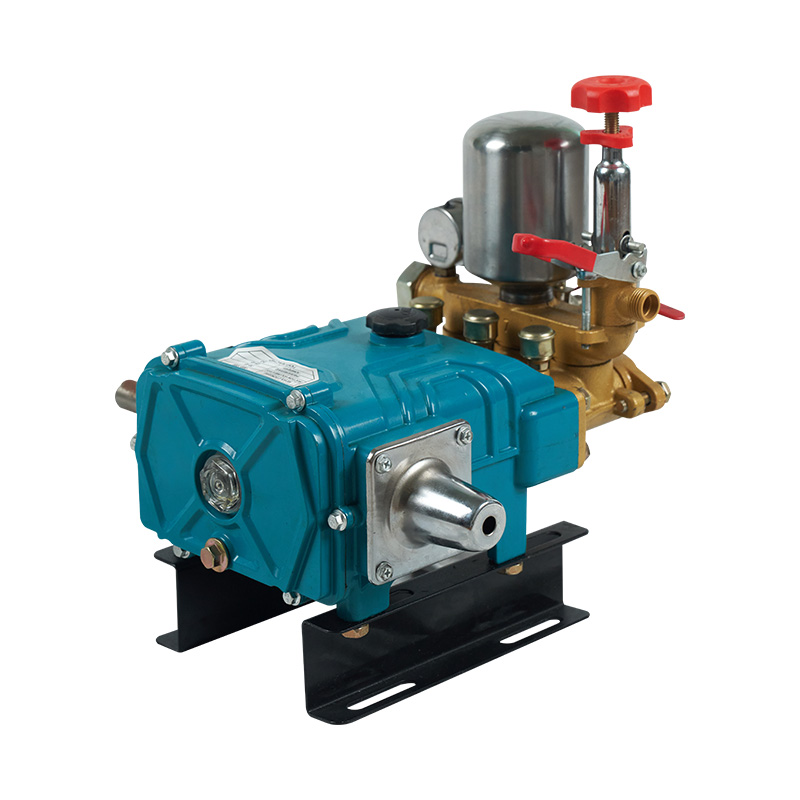
عربىA Gasoline Power Sprayer Unit offers wide-area coverage for agricultural, landscaping, and outdoor cleaning needs. When used in large fields or open spaces, operators often aim to improve spray efficiency and reach. Achieving strong spray distance depends on the interaction between engine performance, pump action, nozzle selection, and user technique. Proper coordination of these elements ensures that the sprayer delivers uniform coverage across extensive areas without wasting resources or compromising results.
Understanding the Factors That Influence Spray Reach
Spray distance is not determined by one single component. Instead, it results from a combination of pressure levels, nozzle type, hose condition, liquid viscosity, and operator handling. For instance, thicker liquids may require adjustments to pressure or nozzle size to maintain consistent reach, while worn hoses can disrupt flow and reduce effective distance. Recognizing how each element contributes helps users adjust accordingly, tailoring settings to both the equipment’s capabilities and the specific task at hand.
Pressure and Flow Adjustments
Consistent pressure is essential for achieving a stable spray distance. If pressure dips or fluctuates, coverage becomes uneven, leaving gaps in treatment or cleaning. Operators should verify that the pump is lubricated to ensure smooth operation, filters remain clear of debris that could restrict flow, and hoses remain unobstructed. Adjusting pressure gradually allows the sprayer to adapt to different liquids or application environments—rushing adjustments can lead to sudden pressure spikes that disrupt spray patterns or even damage components.
Nozzle Selection for Wide-Area Coverage
Different nozzles produce different spray characteristics, each suited to specific large-area tasks. Fan nozzles create broader, flatter patterns useful for covering large swaths of farmland or lawns, ensuring quick and even distribution. Cone nozzles, by contrast, support more focused spraying, which is helpful when targeting specific rows or areas that require precise application. Adjustable nozzles allow users to shift between patterns depending on the task, offering flexibility across diverse large-area needs. Choosing the right nozzle improves coverage without unnecessary overlap, which saves time and reduces material waste.
Reducing Spray Drift in Outdoor Environments
Environmental conditions can reduce spray efficiency significantly, as wind, high heat, and uneven terrain affect spray path and droplet movement. To avoid drift that wastes material and misses targets, operators can spray closer to the target surface to shorten the droplet’s travel distance, adjust droplet size using suitable nozzles—larger droplets are less prone to drifting—and avoid spraying during strong winds or midday heat, when evaporation can diminish effectiveness. Monitoring weather conditions before starting work helps plan sessions for times when environmental factors are more favorable.
Maintaining Stability During Long-Distance Spraying Tasks
Hose condition influences pressure stability, which in turn impacts spray distance. Flexible, undamaged hoses help maintain a steady flow, ensuring that pressure remains consistent across the entire spraying session. A worn hose may expand under pressure, absorbing some of the pump’s output and reducing effective spray distance. Regular inspection of hoses for cracks, bulges, or kinks ensures that the spray path remains consistent, preventing unexpected drops in performance during large-area tasks that require sustained operation.
Field Techniques for Improved Coverage
Movement patterns significantly affect efficiency when covering large areas. Adopting straight-line walking paths, guided by markers or rows where possible, helps avoid zigzagging that leads to uneven coverage. Balanced pacing—neither too fast nor too slow—ensures that each area receives the appropriate amount of spray, while avoiding excessive overlap, which prevents over-saturation. Operators should also keep a steady distance from the target surface, using visual cues to maintain consistency; varying the distance can result in uneven droplet distribution, with some areas receiving too little spray and others too much.
Routine Care to Support Long-Reach Spraying
Keeping filters clean, replacing worn nozzles at the first sign of damage, and maintaining adequate lubrication for moving parts all support long-distance spraying capabilities. Clogged filters restrict flow and force the pump to work harder, leading to pressure inconsistencies, while worn nozzles can produce irregular spray patterns that reduce reach and coverage. Simple, regular maintenance steps help the sprayer maintain reliable spray strength during heavy workloads, ensuring that it performs consistently even when tackling extensive areas.
Improving Efficiency Through Knowledge and Practice
Achieving strong spray distance and coverage requires practice and awareness of how equipment and environment interact. By taking the time to understand how mechanical factors—such as pressure and nozzle type—and user behavior—like movement and handling—impact performance, operators can refine their approach over time. This combination of knowledge and practice helps improve overall spraying efficiency while supporting consistent performance across large areas, making tasks more manageable and effective.