

 English
 русский
 Français
 Español
 عربى
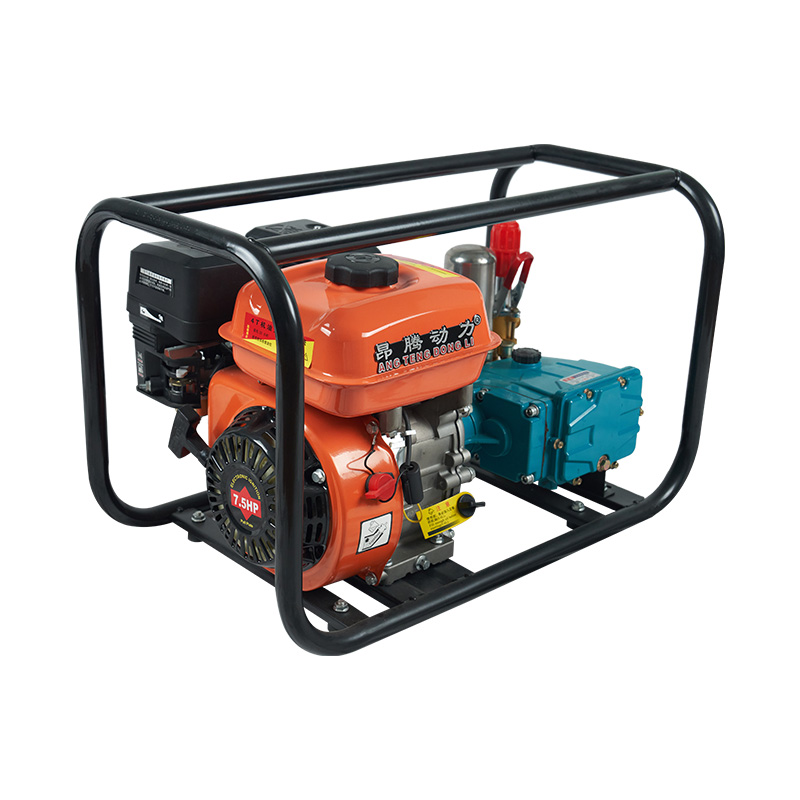
عربىA Gasoline Power Sprayer Unit supports agricultural, horticultural, and sanitation work, often operating under demanding outdoor conditions. To maintain stability and extend the useful service period, operators should follow a structured maintenance checklist. This checklist spans daily, weekly, monthly, and seasonal care needs, covering both surface inspections and in-depth upkeep to address the wear and tear caused by frequent outdoor use and contact with various spraying materials.
Daily Checklist: Essential Pre- and Post-Work Steps
Before each use, operators should inspect hoses, clamps, and the spray gun for cracks or loosened fittings, running a hand along the length of hoses to feel for hidden damage that might not be visible at a glance. The fuel tank should be clean, and the filter should appear free from accumulated debris; if any debris is present, it should be removed immediately to avoid entering the engine system. After each spraying task, the nozzle must be cleaned using water or an appropriate solution to prevent clogging—for water-soluble materials, plain water is sufficient, while oil-based substances may require a compatible cleaning agent. Checking pressure behavior by observing the spray pattern for uniformity and listening for unusual engine sounds helps detect emerging issues before they affect operation.
Weekly Checklist: Deeper Routine Maintenance
Weekly care focuses on more detailed inspections that go beyond daily checks. Operators should remove and clean the filter screen with a soft brush to avoid damaging the mesh, inspect seals for signs of brittleness or leakage, and examine hose joints for any signs of wear that could lead to future leaks. Pump lubrication levels should be checked, and bolts or clamps tightened to ensure secure connections, as vibration during operation can cause fasteners to loosen over time. Reviewing spray performance during weekly work sessions helps identify whether the nozzle, spray gun, or pressure system requires additional attention, such as further cleaning or adjustment of components.
Monthly Checklist: Preventing Long-Term Wear
Monthly tasks aim to remove buildup and ensure structural stability, targeting areas that may accumulate residue over time. The inside of the tank should be cleaned thoroughly to eliminate residue, using a non-abrasive sponge to avoid scratching the tank surface, which could lead to corrosion. Worn hoses or nozzles should be replaced promptly to maintain spray efficiency and prevent unexpected failures. The engine’s air system, including the air filter and intake passages, should be cleaned, ensuring that dust or residue does not block airflow—restricted airflow can strain the engine and reduce performance. Pressure consistency should be evaluated by testing the sprayer at different settings to confirm that pump components remain in good condition.
Off-Season Storage Checklist
During long storage periods, proper preparation is critical to keep the sprayer in usable condition for the next season. The sprayer should be free of fuel and chemicals, as leftover fuel can degrade over time and damage engine components, while residual chemicals may cause corrosion. Tanks and lines must be flushed thoroughly multiple times with clean water to ensure no traces of chemicals remain. The pump should be protected using proper storage procedures that prevent drying or oxidation, such as applying a light coat of appropriate lubricant to moving parts. Additionally, all external surfaces should be wiped clean to remove dirt and moisture, and the equipment should be stored in a ventilated area away from moisture, ideally covered with a breathable protective cover to prevent dust accumulation.
Tools Useful for Checklist Compliance
Operators benefit from having readily available cleaning brushes of various sizes to tackle different components, lubricants suitable for the sprayer’s materials, spare filters, clamps, and protective covers. Keeping these items organized and within reach supports quick and efficient maintenance actions, reducing the likelihood of delaying necessary care due to missing tools.
Ensuring Predictable Operation Through Consistent Care
By following a structured checklist, users can help ensure predictable operation and stable spray performance throughout the working season. Daily and weekly care prevents small issues from growing into larger problems, addressing minor wear or debris buildup before they escalate into costly repairs. Meanwhile, monthly and seasonal maintenance protects the sprayer during long-term use and storage, preserving components that are critical to the unit’s functionality. Consistent adherence to these maintenance steps also helps operators become more familiar with their equipment, making it easier to spot unusual conditions and respond appropriately, further extending the sprayer’s service life and maintaining reliable performance across various tasks.