

 English
 русский
 Français
 Español
 عربى
عربىModern plug-in hybrid systems combine two different power sources to achieve flexible driving performance across varying conditions. In this configuration, the Benzin Engine plays a supporting and sometimes primary role depending on battery state, driving demand, and system control strategy.
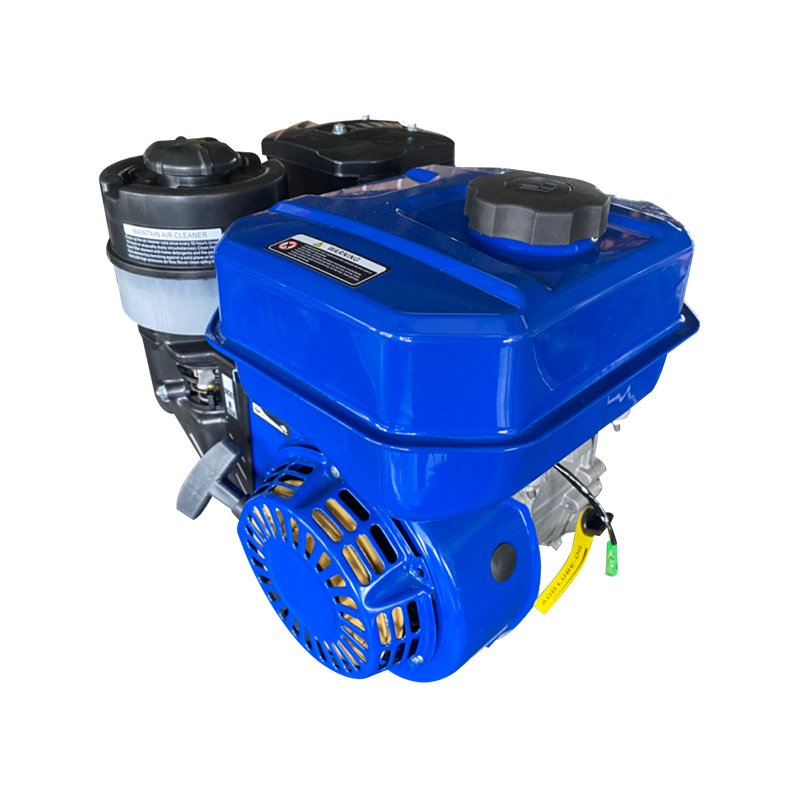
Unlike traditional single-powertrain vehicles, plug-in hybrids continuously evaluate operating conditions and decide when to use electric drive, when to engage the combustion engine, and when to combine both systems for balanced output.
Dual Power Architecture Overview
A plug-in hybrid system typically integrates an internal combustion unit with an electric motor and a battery pack. These components work together through a control system that manages energy flow between mechanical and electrical sources.
The benzinen engine is connected to the drivetrain either directly or through a power-split system. It can drive the wheels, charge the battery, or assist the electric motor, depending on operational requirements.
This flexible architecture allows the vehicle to adapt to different driving environments without relying on a single energy source.
Engine Activation Conditions
The benzine engine does not operate continuously in many plug-in hybrid systems. Instead, it is activated under specific conditions,s such as:
- High acceleration demand
- High-speed cruising
- Low battery charge levels
- Extended driving distance requirements
- Heating or climate control energy needs
When these conditions are met, the system transitions from electric mode to hybrid or engine-assisted operation.
Energy Management Strategy
A central control unit determines how energy is distributed between the engine and the electric motor. This strategy is based on efficiency mapping, battery status, and driving behavior.
When battery levels are sufficient, the system prioritizes electric driving. However, when energy demand increases or battery capacity decreases, the gasoline engine gradually takes over responsibility for propulsion or charging support.
This dynamic switching process requires continuous monitoring of multiple system parameters.
Engine Contribution to Power Output
In hybrid operation, the gasoline engine contributes to total system power in different ways. It may provide direct mechanical torque or operate as a generator in certain configurations.
During acceleration phases, both the engine and electric motor may work together to provide a combined output. This coordination helps maintain a consistent driving response across varying load conditions.
At steady cruising speeds, the engine may operate at optimized efficiency ranges to reduce unnecessary fuel consumption while maintaining required power levels.
Thermal Efficiency and Operating Range
The internal combustion engine in hybrid systems is often managed within specific operating ranges to improve thermal efficiency. Instead of running across all conditions, it is activated in ranges where combustion stability and fuel utilization are more efficient.
This controlled operation helps reduce unnecessary idling and allows the engine to operate closer to optimal efficiency zones when active.
Thermal management systems also regulate engine temperature to maintain stable combustion behavior during repeated start-stop cycles.
Start-Stop Integration Behavior
One of the defining features of plug-in hybrid systems is frequent engine start-stop operation. The benzine engine may shut down when not needed and restart when power demand increases.
This process requires precise synchronization between ignition systems, fuel delivery, and crankshaft positioning to ensure smooth transitions.
Repeated start-stop cycles place unique demands on mechanical and electronic components, requiring enhanced durability and control accuracy.
Interaction with Electric Drive System
The electric motor provides immediate torque response, while the gasoline engine supports sustained energy production. Together, they form a complementary system where each unit compensates for the limitations of the other.
During low-speed driving, the electric motor typically handles propulsion alone. As speed increases or load demand rises, the benzene engine becomes more active.
Energy flow between systems is continuously adjusted based on driving conditions.
Battery Charging Contribution
In some operating modes, the benzene engine is used to recharge the battery pack. This occurs when battery levels drop below a defined threshold or when driving conditions require extended range capability.
The engine drives a generator that converts mechanical energy into electrical energy. This energy is then stored in the battery for later use by the electric motor.
This function ensures that the hybrid system can maintain operational flexibility even when external charging is unavailable.
System Coordination Complexity
The integration of a benzine engine into a plug-in hybrid system introduces significant coordination requirements. The control system must balance engine load, motor output, battery state, and thermal conditions simultaneously.
Any imbalance in this coordination can affect driving smoothness or energy efficiency. Therefore, continuous sensor feedback and adaptive control logic are essential.