

 English
 русский
 Français
 Español
 عربى
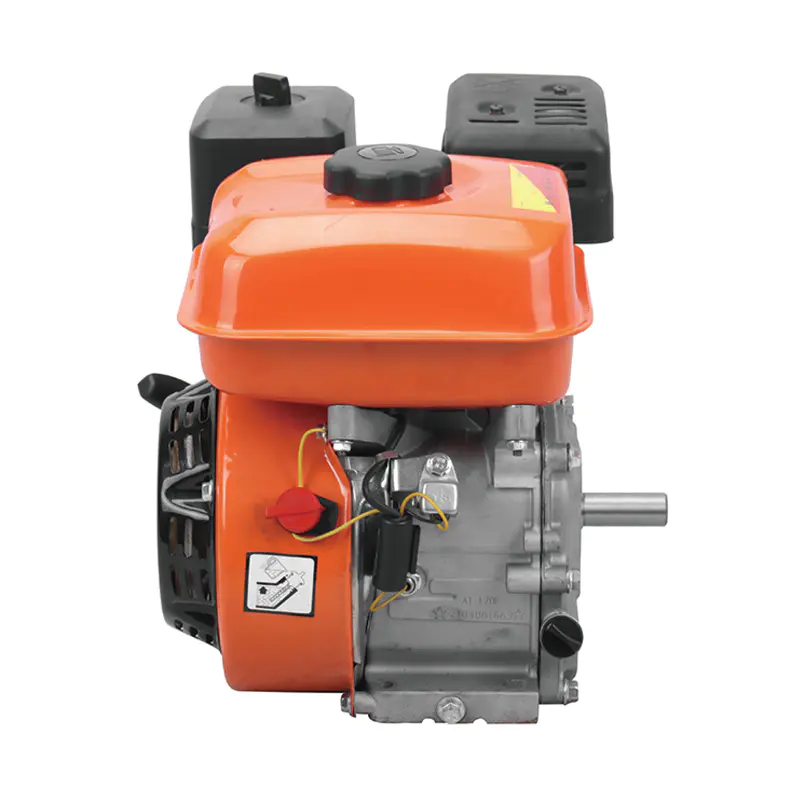
عربىA sudden drop in engine performance can occur across different driving conditions and often signals that one or more internal systems are not operating in balance. The Benzin Engine relies on precise coordination between air intake, fuel delivery, and ignition timing, and when any of these elements becomes unstable, power loss can appear quickly and noticeably.
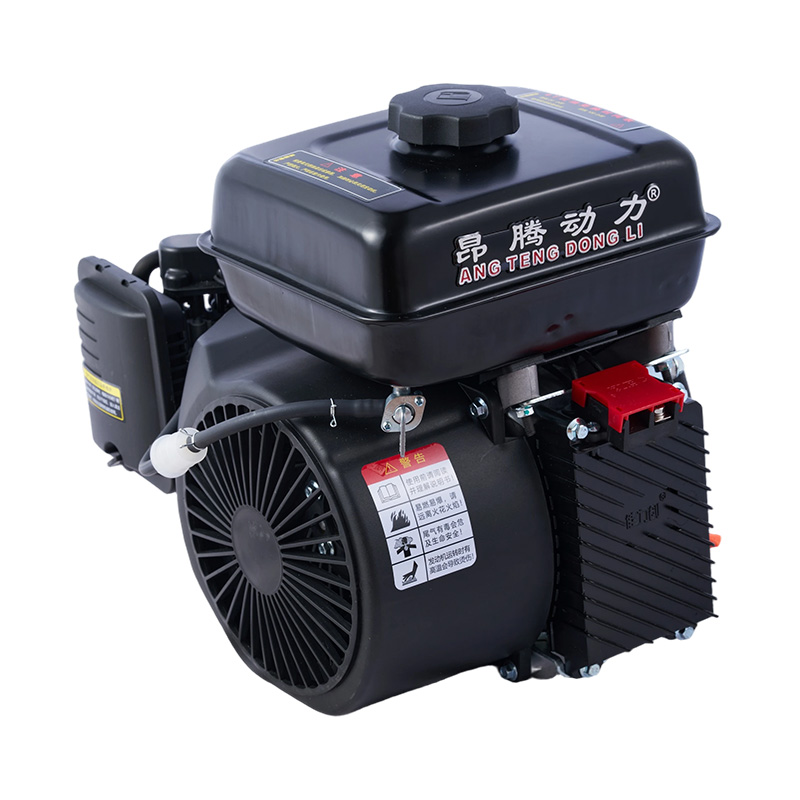
This type of issue does not usually come from a single cause. Instead, it is often the result of multiple small irregularities that gradually affect combustion efficiency and overall engine response.
Initial Symptoms of Power Reduction
When a benzine engine begins to lose power, several early indicators may appear. These include slower acceleration response, hesitation when pressing the throttle, and uneven engine sound during load changes. In some cases, the engine may feel less responsive when climbing slopes or during rapid speed adjustments.
Another common sign is inconsistent idle behavior. The engine may appear stable at first, but it begins to fluctuate slightly in rotational speed. These changes often point to disruptions in combustion balance or airflow regulation.
Fuel Delivery System Irregularities
Fuel delivery plays a central role in maintaining combustion stability. If fuel flow becomes restricted, engine performance can drop significantly.
A partially blocked fuel filter may reduce fuel supply to the injectors. Over time, this restriction limits the amount of fuel reaching the combustion chamber. A weakening fuel pump can also affect pressure consistency, leading to uneven fuel distribution.
Fuel injectors are another important factor. If injector nozzles become partially clogged, the spray pattern may change, resulting in incomplete combustion in one or more cylinders. This can directly affect engine power output and smoothness.
Air Intake System Imbalance
Airflow is equally important in maintaining proper combustion. The engine requires a balanced mixture of air and fuel to operate efficiently.
A clogged air filter can reduce oxygen supply, limiting combustion potential. In some cases, intake system leaks may introduce unmeasured air into the system, which disrupts the expected air-fuel ratio.
Airflow sensors also play a critical role in this process. If sensor readings become inaccurate, the engine control system may adjust fuel delivery incorrectly, affecting combustion stability.
Ignition System Performance Issues
The ignition system is responsible for initiating combustion at the correct moment. Spark plugs and ignition coils must operate reliably under different engine conditions.
Worn spark plugs may produce weak or inconsistent sparks, which can lead to incomplete combustion cycles. Ignition coils that are not functioning properly may also fail to deliver sufficient electrical energy to ignite the mixture effectively.
When misfires occur, engine power drops noticeably, and vibration levels may increase due to uneven cylinder operation.
Exhaust Flow Restrictions
After combustion, exhaust gases must exit the engine efficiently. If the exhaust system becomes restricted, backpressure can build up inside the engine.
This backpressure reduces the engine’s ability to expel burned gases, which affects the intake of fresh air and fuel. Over time, this can lead to reduced performance and slower throttle response.
Exhaust restrictions may develop gradually and often remain unnoticed until performance issues become more visible.
Sensor and Electronic Control Factors
Modern benzine engines rely on multiple sensors to monitor operating conditions. These include airflow sensors, temperature sensors, and pressure sensors.
If any of these sensors provide inaccurate readings, the engine control system may adjust fuel and ignition parameters incorrectly. This can lead to unstable combustion behavior or reduced engine output.
In some cases, the system may enter a protective adjustment mode to prevent further instability, which can also contribute to reduced power perception.
Structured Diagnostic Approach
A systematic diagnostic process helps identify the root cause of power loss more efficiently. This process typically includes:
- Checking air intake components for blockages or leaks
- Inspecting fuel delivery systems, including pumps and injectors
- Evaluating ignition components such as spark plugs and coils
- Observing exhaust flow conditions for restrictions
- Reviewing sensor signals through diagnostic tools
- Testing engine response under idle and load variations
Each step helps narrow down potential causes and identify which subsystem is contributing to the issue.
Interaction Between Multiple Systems
In many cases, power loss is not caused by a single failure but by combined irregularities across different systems. For example, slightly reduced fuel pressure combined with minor airflow restriction can produce noticeable performance changes.
Because engine systems are interconnected, small deviations in one area can influence overall combustion stability.
Operational Behavior Under Load Conditions
Engine behavior under load conditions often reveals issues more clearly than idle operation. When additional demand is placed on the engine, weaknesses in fuel delivery or airflow become more visible.
Acceleration delay, uneven power delivery, or temporary hesitation during load changes can indicate that combustion efficiency is not consistent across cycles.
System Recovery Characteristics
Some performance issues may appear intermittently, depending on operating temperature or driving conditions. In such cases, engine behavior may temporarily improve before issues reappear.
This intermittent pattern often suggests that one or more components are operating near their functional limit rather than failing.