

 English
 русский
 Français
 Español
 عربى
عربىWhen a vehicle enters restricted performance behavior, it is often a protective response triggered by the control system. In this state, the Benzin Engine operates under limited power output to prevent further mechanical or electronic damage.
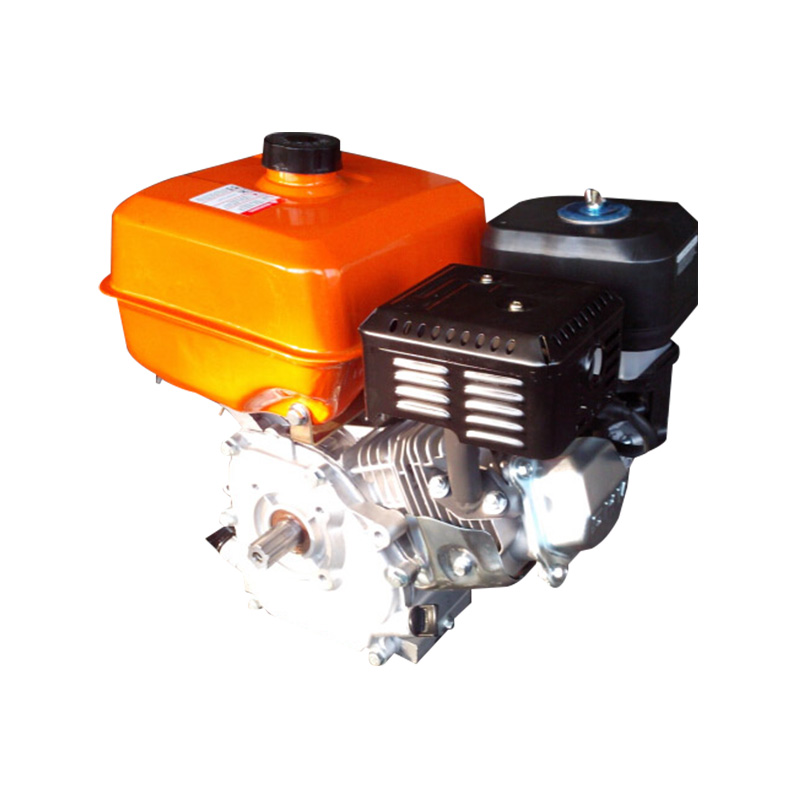
This condition is commonly referred to as limp mode and is designed to allow the vehicle to continue operating at reduced capability until the underlying issue is resolved.
Understanding Limp Mode Activation
Limp mode is not a failure itself but a response mechanism. It is activated when the engine control system detects abnormal conditions such as sensor errors, combustion instability, or system imbalance.
Once activated, the system restricts engine output, limits acceleration response, and may reduce maximum speed capability.
This ensures that the engine operates within a safe range while preventing further system stress.
Common Triggering Conditions
Several conditions may cause limp mode activation in a benzene engine system:
- Sensor malfunction or inconsistent data readings
- Fuel delivery irregularities affecting combustion stability
- Ignition system misfires or weak spark events
- Air intake restrictions or pressure imbalance
- Exhaust system blockage or abnormal backpressure
- Transmission communication errors affecting torque control
Each of these conditions can influence overall engine stability and trigger protective response logic.
Fuel System Related Triggers
Fuel delivery inconsistencies are a frequent cause of reduced engine performance. If fuel pressure drops below required levels, combustion cycles may become unstable.
Injectors that are not functioning properly may also cause uneven fuel distribution, leading to misfires or reduced power output.
In such cases, the engine control system may reduce performance output to prevent further combustion irregularities.
Airflow and Sensor Disruption
Air intake imbalance can directly affect combustion efficiency. If airflow sensors provide incorrect readings, the system may calculate incorrect fuel injection values.
This miscalculation can lead to overly rich or lean mixtures, both of which negatively impact engine stability.
To prevent damage, the system may enter restricted operation mode until sensor readings stabilize or are corrected.
Ignition System Contribution
Ignition system failures are another common factor. Spark plugs that are worn or ignition coils that are weakened can produce incomplete combustion cycles.
When misfires occur repeatedly, the control system detects instability and reduces engine load capacity to maintain safe operation.
This protective adjustment helps prevent further mechanical stress on the combustion system.
Electronic Control Response
Modern benzine engines rely heavily on electronic control units that continuously monitor engine behavior. When abnormal data patterns are detected, the ECU responds by adjusting engine output parameters.
These adjustments may include:
- Limiting throttle response
- Reducing fuel injection volume
- Adjusting ignition timing
- Restricting maximum engine speed
- Modifying torque delivery
These changes are designed to stabilize engine operation under uncertain conditions.
Diagnostic Workflow for Low Power Conditions
A structured diagnostic process is required to identify the cause of limp mode activation. This process typically includes:
- Reading diagnostic trouble codes from the ECU
- Checking sensor data consistency
- Inspecting fuel system pressure and flow
- Evaluating the air intake system condition
- Testing ignition components for misfires
- Verifying exhaust system flow condition
Each step helps narrow down potential system faults and identify the root cause.
Temporary vs Persistent Activation
Limp mode may appear temporarily or remain active until repairs are completed. In some cases, the system may reset after restarting the engine if the fault condition is no longer present.
However, if the underlying issue persists, the system will continue to restrict performance to maintain safety.
System Interaction Effects
Limp mode is often the result of multiple small irregularities rather than a single failure. Slight deviations in fuel pressure, combined with minor airflow sensor error,s can collectively trigger protective logic.
Because engine systems are interconnected, even small inconsistencies can influence overall control decisions.