

 English
 русский
 Français
 Español
 عربى
عربىRig operators running multi-week drilling programs face a different set of pump selection pressures than crews handling short dewatering jobs, and that difference is reshaping how suppliers spec an electric mud hog pump for continuous-duty sites. Flow consistency, wear-part longevity, and power draw across long unattended run periods now carry more weight in the selection process than the upfront purchase price alone.
Flow Consistency Over Extended Runs
A pump that delivers steady flow across a full shift matters more on continuous drilling than raw peak flow rating, since fluctuating circulation rate can disrupt cuttings removal and affect hole stability during active drilling. An electric mud hog pump paired with a variable-frequency drive lets operators fine-tune flow rate as drilling conditions shift, rather than running a fixed-speed motor at a single output regardless of what the wellbore actually needs at a given depth.
Fixed-speed units remain common on shorter jobs where flow requirements stay relatively constant, but crews running longer programs increasingly request VFD-equipped pumps specifically because drilling fluid demands change as the bit advances through different formations. A variable-frequency setup on an electric mud hog pump also reduces mechanical stress at startup compared with a direct-on-line motor start, which matters when a pump cycles on and off multiple times across a multi-day operation.
Wear-Part Longevity Under Continuous Cycling
Bearings, seals, and impellers all wear faster under continuous cycling than under intermittent use, so drilling crews evaluating an electric mud hog pump for extended programs look closely at rated bearing life alongside flow specifications. A pump bearing rated for a certain number of continuous operating hours before service becomes the limiting factor in how long a crew can run before scheduling a maintenance stop, and that number carries more weight for continuous drilling than it does for a dewatering job that runs only a few hours per day.
|
Application Type |
Typical Run Pattern |
Priority Factor |
|
Continuous drilling |
24-hour cycles, multi-week |
Bearing life, flow consistency |
|
Intermittent dewatering |
Several hours daily |
Startup reliability |
|
Slurry transfer, mining |
Extended shifts, high solids |
Impeller wear resistance |
|
Emergency site pumping |
Short-term, variable |
Rapid deployment |
Power Draw And Site Generator Capacity
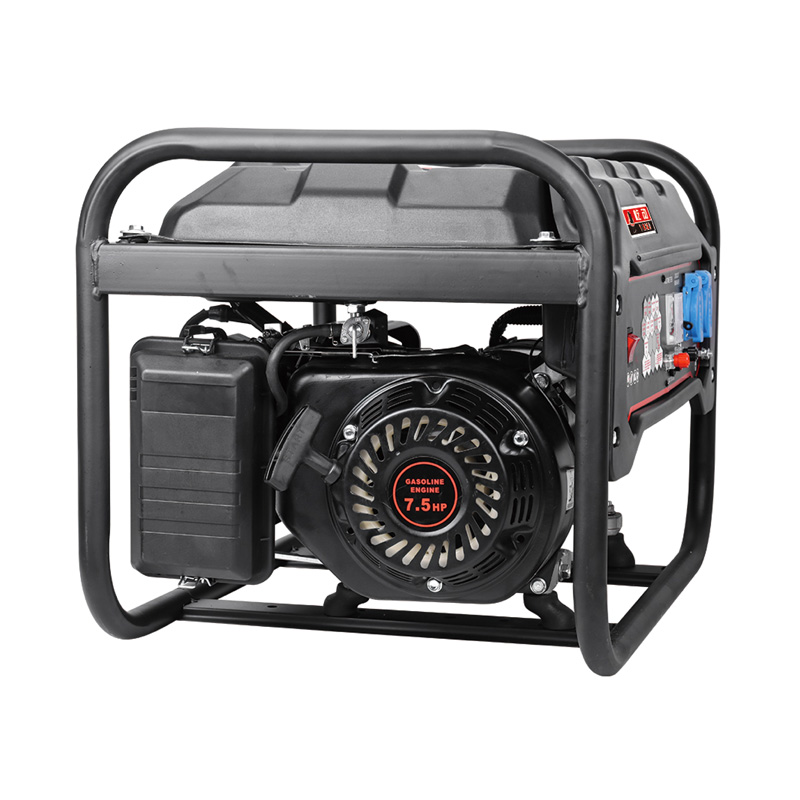
Sites running an electric mud hog pump off a generator rather than grid power need to confirm startup current draw against generator capacity, since inrush current at motor startup can spike well above running current and trip an undersized generator. Crews planning multi-pump setups on a single generator circuit stagger startup timing between units to avoid a combined inrush spike that a shared generator cannot handle, a coordination step that matters more as drilling sites add secondary pumps for backup circulation.
Continuous operation also raises questions about motor cooling under sustained load, particularly for submersible pump design units where cooling depends on jacket water flow rather than open-air ventilation. A cooling jacket sized for intermittent duty can run warmer than intended once the pump operates continuously across a full shift, so suppliers now recommend confirming cooling jacket flow rate against continuous-duty thermal ratings rather than the intermittent ratings printed on a general catalog spec sheet.
Drilling Mud Circulation Requirements
Circulation rate consistency ties directly back to hole cleaning performance, and crews running deeper wells depend on steady drilling mud circulation to keep cuttings suspended and moving toward the surface. A pump that loses flow consistency partway through a shift risks cuttings settling in the wellbore, a problem that costs far more in remedial drilling time than the maintenance cost of servicing a pump on schedule. This dependency has pushed more drilling contractors toward electric mud hog pump units with monitored flow output, letting rig operators catch a developing flow drop before it affects hole conditions downhole.
Selecting Between Standard And Continuous-Duty Ratings
Suppliers now offer separate continuous-duty and standard-duty ratings for otherwise similar pump models, and drilling contractors comparing an electric mud hog pump across these rating tiers weigh the higher upfront cost of a continuous-duty unit against the reduced risk of mid-program failure on a job where downtime carries a steep daily cost. Crews running shorter, intermittent jobs generally find the standard-duty rating adequate, while multi-week continuous programs increasingly justify the continuous-duty premium once total cost of ownership across the drilling program gets factored into the comparison.