

 English
 русский
 Français
 Español
 عربى
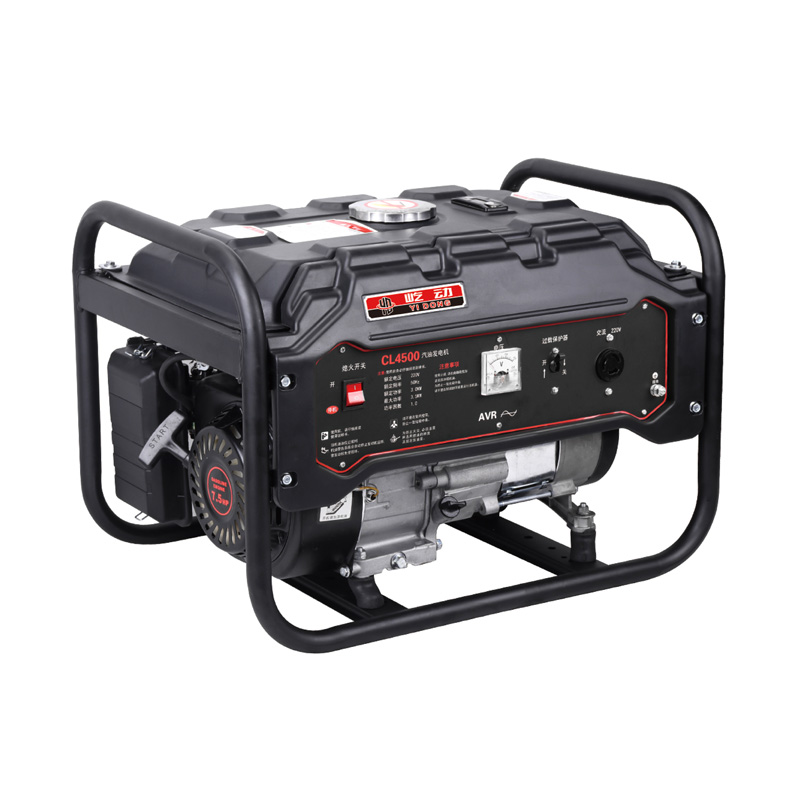
عربىA 3 kW inverter generator sitting next to a conventional generator of the same rated output looks like a simple size-and-price comparison on paper, until a buyer actually plugs a laptop or a medical device into each one and discovers that the power quality coming out of the two units is nowhere close to equivalent.
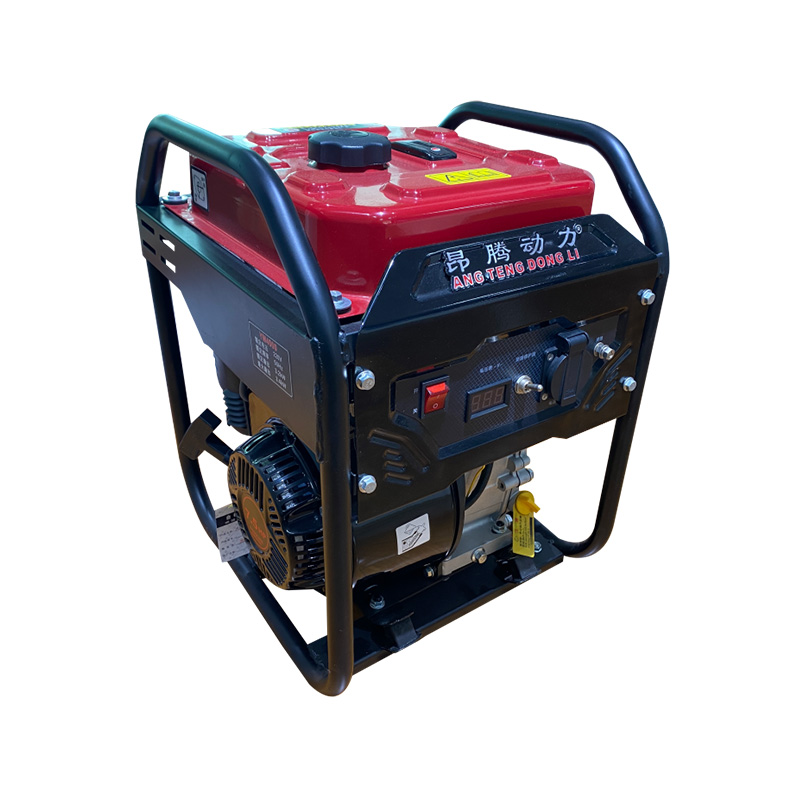
Permanent Magnet Design Removes a Whole Category of Failure Points
A permanent magnet generator produces electricity using magnets rather than an external excitation winding, which eliminates a set of components that wear down and require maintenance in traditional wound-rotor designs. This construction difference is the reason a well-built 3 kW inverter generator holds voltage stability more consistently across changing loads than a comparable conventional unit, since there's less mechanical complexity for load fluctuations to disturb. Buyers evaluating inverter generators for applications with frequently changing power demands should ask suppliers specifically about rotor construction, since this detail affects long-term voltage consistency more than headline wattage figures do.
Pure Sine Wave Output Protects Equipment Conventional Generators Can Damage
The defining technical advantage of an inverter generator is pure sine wave output — power that mimics grid electricity closely enough to safely run laptops, medical equipment, and audio gear without the voltage spikes that a conventional generator's rougher waveform can introduce. A 3 kW inverter generator achieves this by converting engine-generated AC to DC and then inverting it back to a clean, regulated AC waveform, a more complex process than a conventional generator's direct AC output but one that directly protects sensitive electronics from damage. Buyers supplying customers who run electronics-dependent equipment should treat waveform quality as a non-negotiable spec rather than an optional upgrade.
|
Generator Type |
Conventional Generator |
3 kW Inverter Generator |
|
Output waveform |
Rougher, less regulated |
Clean, near sine wave |
|
Fuel efficiency at light load |
Lower, runs at fixed speed |
Higher, engine speed adjusts to demand |
|
Noise level |
Louder |
Quieter, often 10-20 dB lower |
|
Suited application |
High constant load, tighter budget |
Sensitive electronics, variable load |
Engine Speed Modulation Is Where the Fuel Savings Actually Come From
A conventional generator runs its engine at a fixed speed regardless of connected load, while a 3 kW inverter generator automatically slows engine speed under light demand and speeds up only when load increases, a modulation capability that can cut fuel consumption by a meaningful margin at partial load compared to a fixed-speed design. Buyers should ask suppliers for fuel consumption figures specifically at light and partial load conditions, not just the full-load figure typically featured on a spec sheet, since the light-load performance is where an inverter generator's efficiency advantage actually shows up in daily use.
Surge Capacity Determines Whether a Unit Can Start Motor-Driven Appliances
Refrigerators, small air conditioners, and power tools draw a brief surge of current well above their steady running wattage at startup, and a 3 kW inverter generator needs adequate surge capacity to handle that initial spike without stalling or tripping a protection circuit. Buyers should confirm surge rating separately from continuous rated output when a customer's intended appliance list includes motor-driven equipment, since a generator that comfortably handles continuous 3 kW draw can still stall if its surge capacity is undersized relative to a connected appliance's startup demand.
Parallel Capability Extends a Small Unit's Practical Application Range
Some portable power station buyers need higher output than a single small unit provides only occasionally, and inverter generators built with parallel connection capability let two units combine output for those higher-demand situations without requiring a buyer to purchase a larger single unit for infrequent peak needs. This flexibility matters for distributors serving customers with variable power requirements across different jobs or seasons, and buyers should confirm which specific models in a supplier's catalog support parallel operation, since this capability isn't universal across every unit in an inverter generator lineup.
Customization Requests Concentrate Around Control Panel Layout and Output Sockets
Buyers requesting OEM or private-label inverter generator units commonly ask for adjustments to control panel layout and output socket configuration to match regional plug standards, rather than changes to the core generator internals. An OEM inverter generator manufacturer capable of adapting these external elements from an existing platform typically turns around private-label orders faster than one treating every regional variation as a new engineering project, and buyers should confirm which socket and panel configurations are achievable without a full redesign before committing to a customization request.
Warranty and After-Sales Support Should Match the Sensitivity of the Load
Buyers supplying a 3 kW inverter generator to customers running medical equipment or other critical electronics should evaluate a supplier's warranty terms and after-sales technical support alongside the generator's specifications themselves, since a unit's clean power output only protects connected equipment while the generator is functioning correctly. A supplier offering clear documentation on troubleshooting steps and replacement part availability reduces the downtime risk for end customers whose power needs can't tolerate an extended repair turnaround, and this support infrastructure matters more for this product category than for generators serving less sensitive, general-purpose applications.