

 English
 русский
 Français
 Español
 عربى
عربىPeople often focus on pump power when discussing water transfer systems. In actual operation, however, engineers sometimes spend more time thinking about something else: what happens when water needs to go to different places at different times.
This is where a 2 way electric water pump often enters the conversation.
The interesting part is that the challenge is not always moving more water. In many applications, the real challenge is managing how water moves through a changing system without making daily operation unnecessarily complicated.
One Destination Today, Another Tomorrow
A water system rarely operates exactly the same way every day.
In agricultural settings, one section of land may require irrigation this week while another area needs attention later. In industrial environments, different processes may draw water at different times throughout production.
Because of this, operators often look for ways to redirect flow without rebuilding pipework every time requirements change.
A 2 way electric water pump is commonly used in situations where flexibility becomes part of routine operation. Instead of designing completely separate pumping arrangements, users can manage multiple flow paths within the same overall system.
The result is often a setup that can adapt more easily when operating conditions change.
Operators Usually Notice The Switching Process
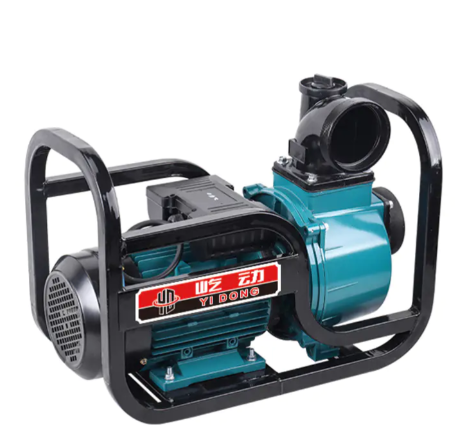
Interestingly, when technicians discuss a 2 way electric water pump, the conversation is not always about pumping performance.
They often talk about switching.
The reason is simple. Water systems behave differently during transitions than during steady operation. A system may run smoothly for hours, but the moment flow direction changes, operators pay closer attention.
Pressure fluctuations, valve timing, and system response become part of the observation process.
In many facilities, the switching event reveals more about system behavior than a long period of normal operation.
Pipe Layout Influences Daily Efficiency
Walk through different pumping installations and one thing becomes clear: pipe layout affects far more than appearance.
With a 2 way electric water pump, the arrangement of pipes often determines how easily operators can manage flow between different destinations.
Some systems are designed for frequent changes. Others may only switch occasionally during seasonal operations.
What looks like a simple piping decision on a drawing can influence maintenance access, inspection routines, and operational convenience for years afterward.
Actually, experienced technicians often spend considerable time reviewing pipe routing before discussing pump specifications.
Troubleshooting Often Starts With Flow Direction
When a water system behaves unexpectedly, technicians rarely assume the pump is responsible immediately.
Instead, they often begin by asking where the water is supposed to be going.
A 2 way electric water pump introduces additional flow possibilities, which means troubleshooting sometimes involves verifying routing conditions before inspecting mechanical components.
This approach helps eliminate unnecessary maintenance work and provides a clearer understanding of how the overall system is behaving.
In practice, many water-related issues turn out to be operational questions rather than equipment failures.
Flexibility Becomes More Valuable Over Time
One interesting thing about a 2 way electric water pump is that its usefulness often becomes more apparent after installation.
When systems are first designed, future operating requirements are not always fully known. Facilities expand, irrigation plans change, and water demand shifts between different areas.
A pumping arrangement that can accommodate those changes often reduces the need for major modifications later.
That does not necessarily make the system more complex.
In many cases, it simply provides operators with additional options when conditions evolve.
Water Management Is About More Than Pumping
At first glance, a 2 way electric water pump appears to be a device for moving water.
In reality, many users value it because it helps manage where water goes and when it gets there.
The pump may remain the same throughout its service life, but the demands placed on the system often change. Fields develop, facilities expand, and operating priorities shift.
That is why discussions about water systems frequently extend beyond flow rate alone.
Sometimes the important question is not how much water can be moved.
It is how easily the system can adapt when tomorrow's flow path is different from today's.