

 English
 русский
 Français
 Español
 عربى
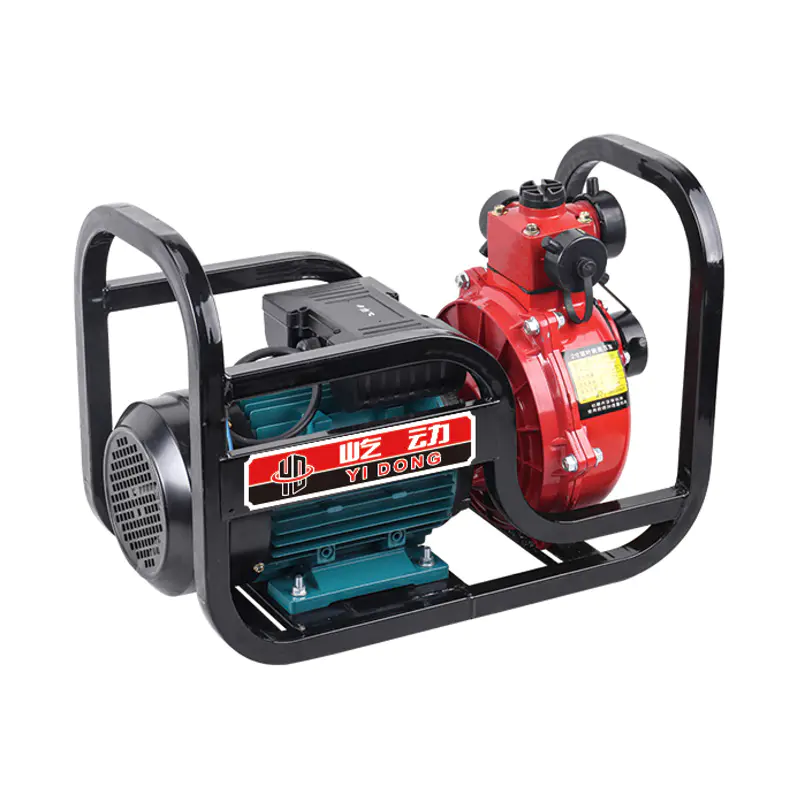
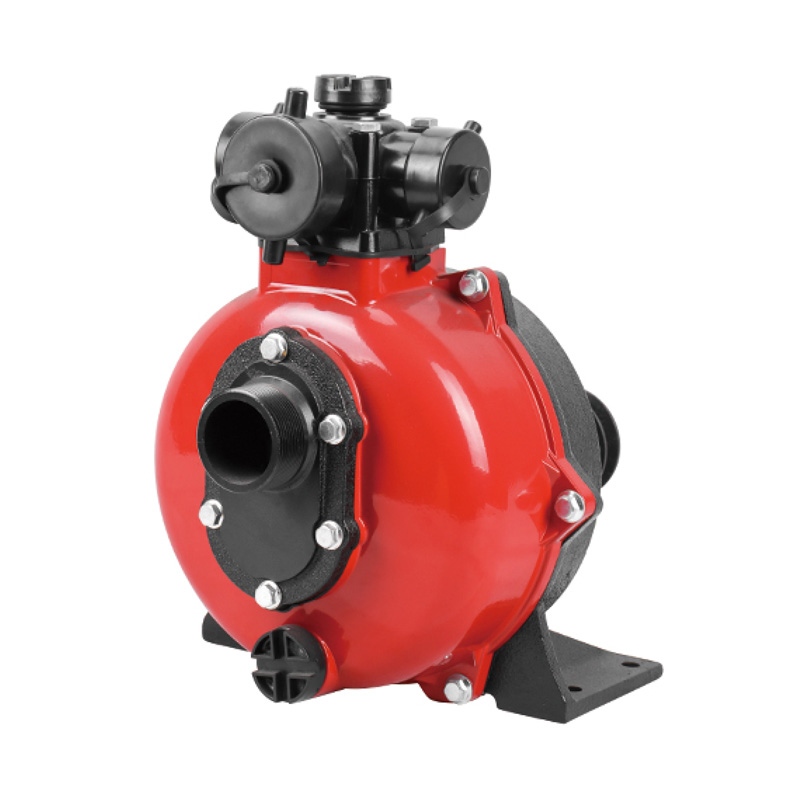
عربىA 220V agriculture water pump plays an important role in many irrigation environments where stable water movement is required. Garden areas, small farms, and agricultural fields often depend on reliable pumping systems to move water from natural sources to irrigation networks. In locations where electrical power is available, these pumps support daily irrigation activities and help distribute water through pipes, sprinklers, and drip systems. In addition to electric pumps, mechanical solutions such as the Pulley Pump Set can also support irrigation in places where engines or tractors are used to drive water pumps.
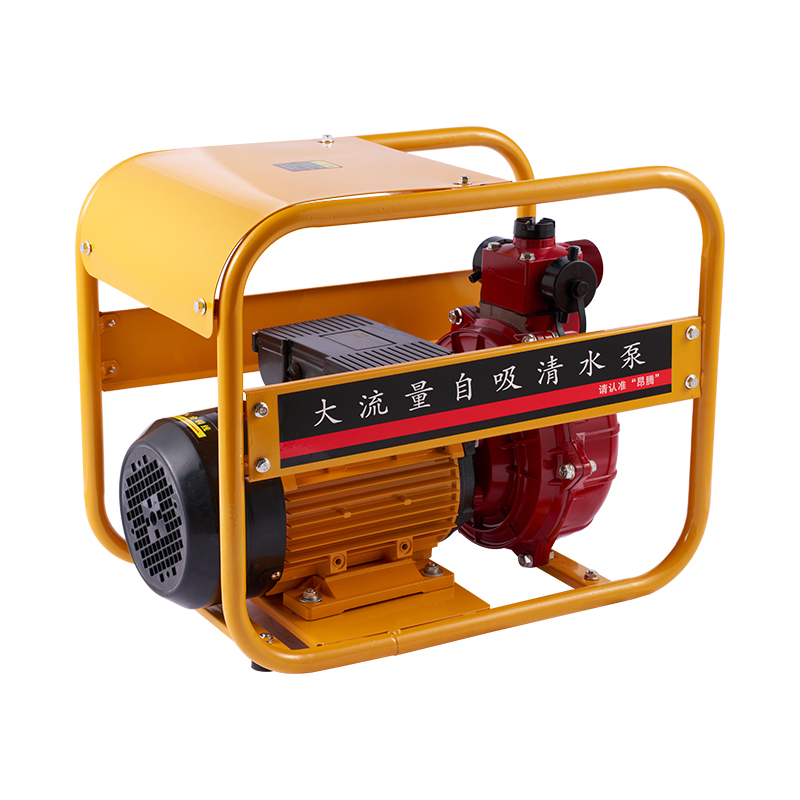
Agricultural irrigation systems vary widely depending on climate, terrain, and water availability. Because of this diversity, farmers and gardeners often select pumping equipment that fits the layout of their irrigation network and the available energy source.
Garden Irrigation Systems
Garden irrigation is one of the common environments where electric pumps are used. Landscaped areas, vegetable gardens, and greenhouse cultivation often require steady water distribution to support plant growth.
A 220V agriculture water pump can move water from storage tanks, wells, or small ponds into irrigation pipelines that feed sprinklers or drip lines. These irrigation systems help deliver water directly to plant roots or evenly across planting areas.
Garden irrigation systems usually rely on equipment that is easy to operate and simple to maintain. Electric pumps connected to standard power sources often provide a practical solution for gardens located near residential or farm buildings.
Field Irrigation for Agricultural Production
Agricultural fields often require larger irrigation coverage compared with garden spaces. Water may need to be transferred from nearby rivers, reservoirs, or wells into irrigation channels or piping systems.
A 220V agriculture water pump can support irrigation tasks where an electrical supply is available near the farmland. These pumps can move water across fields or supply irrigation systems designed for crops such as vegetables, grains, or orchard trees.
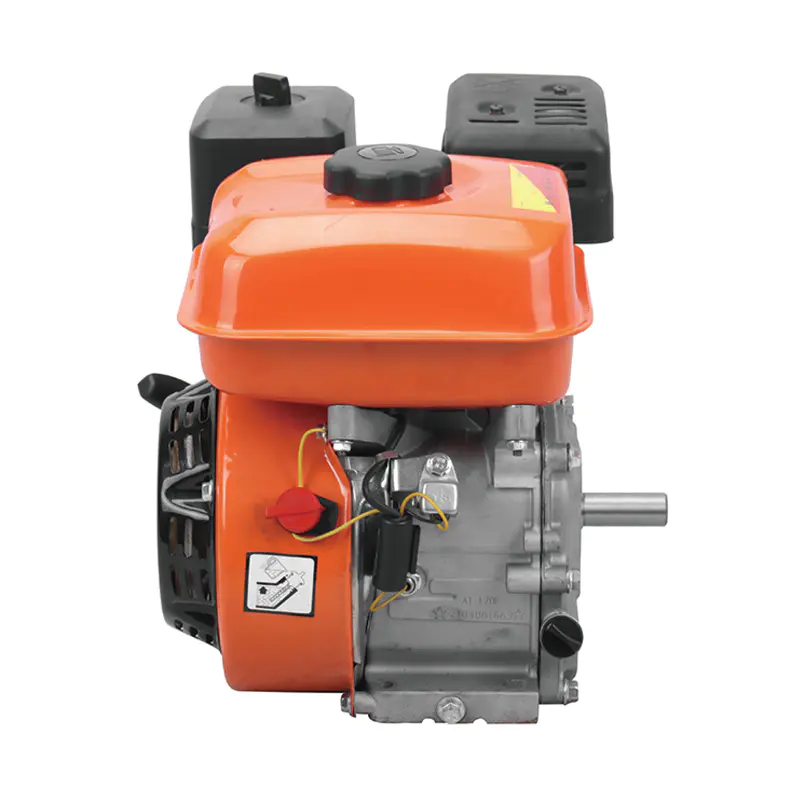
In some agricultural regions where electricity is limited, a Pulley Pump Set may be used together with diesel engines or tractor-driven systems. The pulley mechanism allows power from an external engine to drive the water pump through belt rotation, creating a flexible pumping solution.
Water Transfer Between Storage Tanks
Water storage is an important part of farm water management. Many farms use tanks, ponds, or reservoirs to collect and store water for irrigation during dry periods.
Pumping equipment helps move water between storage locations. For example, water may be transferred from a collection pond to a raised storage tank that supplies irrigation pipelines.
A 220V agriculture water pump can perform these transfer tasks within farm infrastructure. When mechanical power sources are available, a Pulley Pump Set may also be used for water movement between reservoirs.
Livestock and Farm Water Supply
In addition to irrigation, farms often need pumping equipment to supply water for livestock. Animals require steady access to drinking water, and water pumps can deliver water from wells or tanks to feeding areas.
Water pumps may also be used for cleaning facilities, washing equipment, and filling containers used for farm operations. These additional tasks make pumping equipment an important component of farm infrastructure.
Water pumps play a central role in irrigation and agricultural water distribution. Garden irrigation systems, field irrigation networks, and farm water storage systems all rely on reliable pumping equipment. A 220v Agriculture Water Pump supports irrigation where electrical power is available, while a Pulley Pump Set provides another option in environments that rely on engine-driven power sources. Together, these pumping solutions contribute to flexible water management across many agricultural settings.