

 English
 русский
 Français
 Español
 عربى
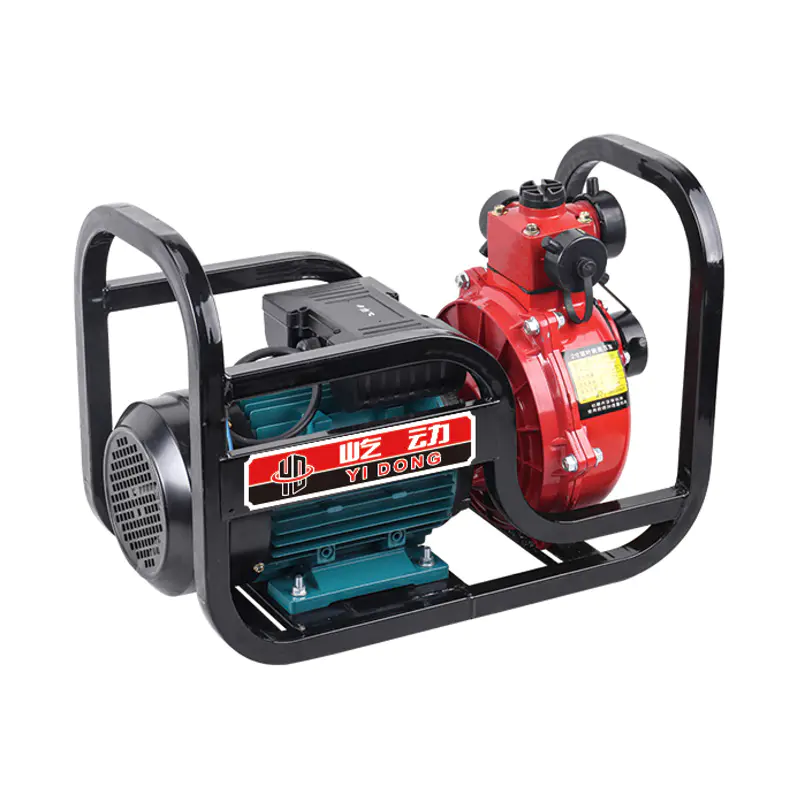
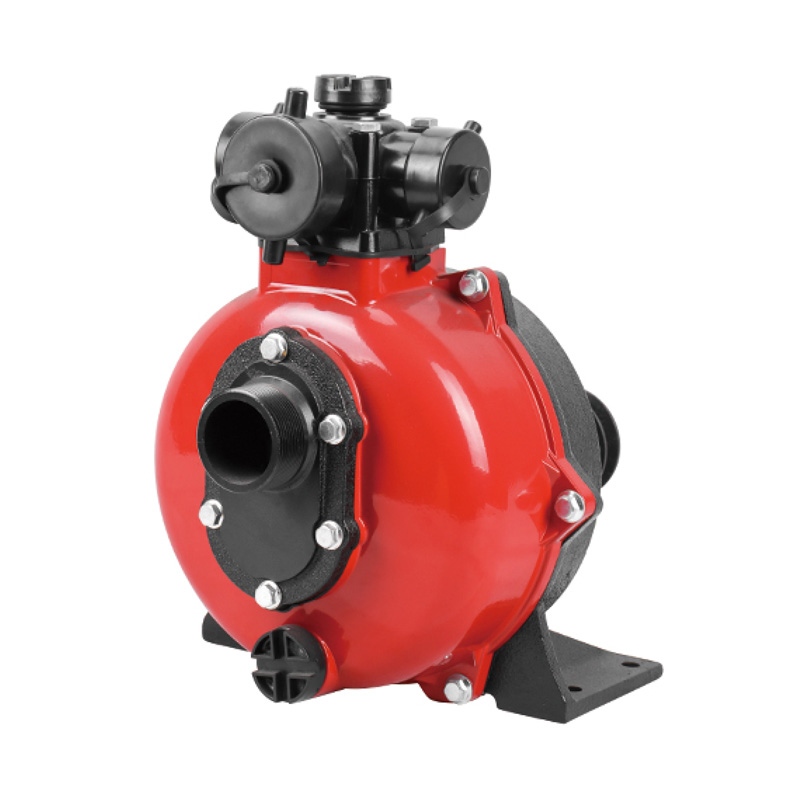
عربىA 220V agriculture water pump is commonly used in irrigation systems that rely on electric power for water distribution. Farmers often evaluate several performance factors before selecting a pump for agricultural activities. These considerations help determine whether a pump can meet the needs of irrigation systems, water transfer tasks, or farm supply operations. In areas where engine-driven equipment is used, a Pulley Pump Set may also be considered as an alternative pumping method.
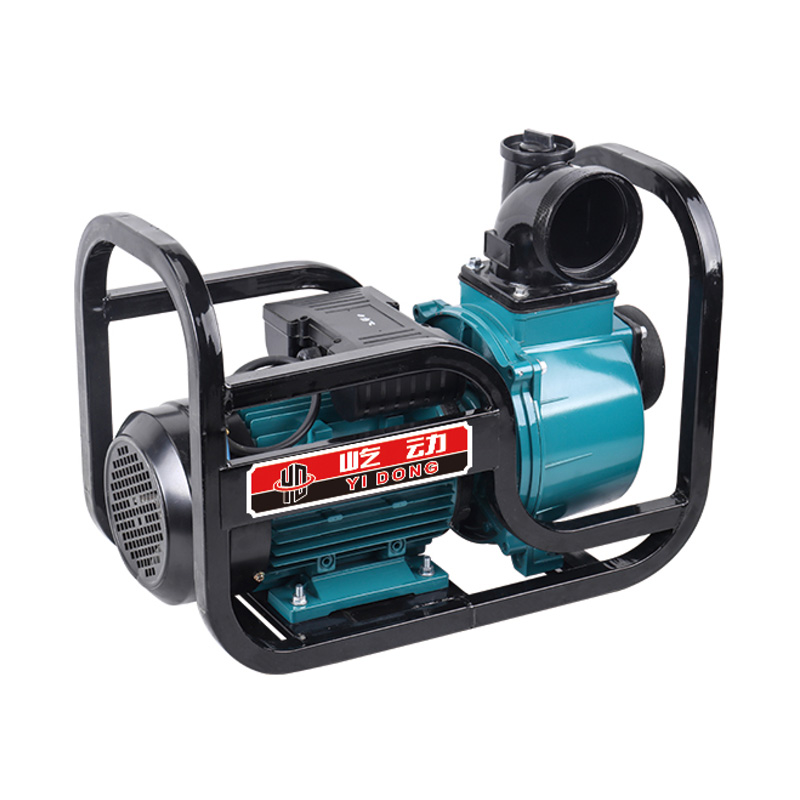
Flow Rate and Water Movement
Flow rate refers to the amount of water that moves through a pump during operation. Irrigation systems depend on consistent water flow to distribute water evenly across planting areas.
A 220V agriculture water pump is often selected based on its ability to move water through irrigation pipelines, sprinklers, or drip systems. When irrigation covers a large field, the pump must maintain sufficient flow to support the entire irrigation network.
Flow rate also affects how quickly water can be transferred from storage tanks or wells to irrigation systems.
Pump Head and Pressure
Pump head refers to the height that water can be lifted during pumping. In agricultural environments, water may need to travel across uneven terrain or be lifted from underground sources.
A pump must generate enough pressure to move water through pipelines and irrigation equipment. Systems installed on slopes or elevated land often require pumps capable of maintaining steady pressure.
Both electric pumps and mechanical systems, such as a Pulley Pump Set,t can be selected according to the lifting requirements of irrigation systems.
Motor Power and Energy Use
Energy consumption is another factor that farmers consider when choosing pumping equipment. A 220V agriculture water pump operates using electric power, which may be suitable for farms connected to stable electricity networks.
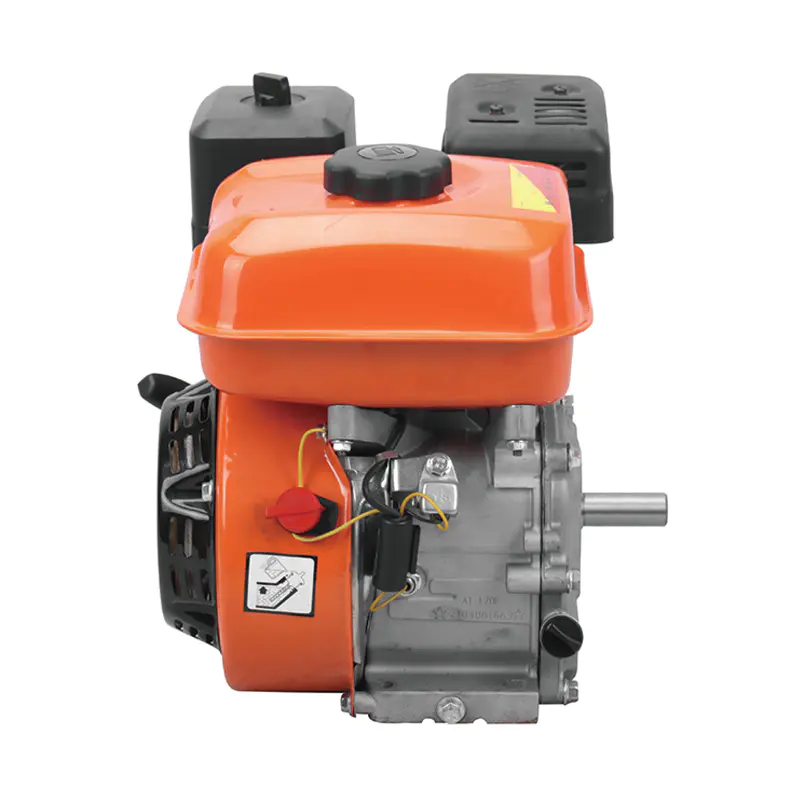
Electric pumps are often used in irrigation systems near residential buildings, agricultural storage areas, or farming facilities. Where electric supply is limited, engine-driven equipment connected to a Pulley Pump Set may provide another option for driving irrigation pumps.
Energy considerations often influence pump selection and operational planning.
Pump Construction and Materials
Agricultural pumping equipment operates in environments that may include dust, moisture, and outdoor exposure. The materials used in pump construction affect durability and long-term operation.
Pump housings, impellers, and internal components may be made from materials designed for agricultural environments. Strong structural design helps the pump function reliably in irrigation systems.
Maintenance practices such as cleaning and inspection also contribute to long-term pump operation.
Installation and Maintenance Considerations
Farmers often consider how easily a pump can be installed and maintained. Pumps used in irrigation networks should be accessible for inspection and servicing.
Electric pumps connected to pipelines may require routine checks to ensure that pipes, valves, and connections remain secure. Mechanical pumping systems, such as a Pulley Pump Set, may require additional inspection of belts and pulleys to maintain smooth operation.
Regular maintenance helps irrigation equipment continue functioning during growing seasons.
Selecting agricultural pumping equipment involves evaluating several factors, including water flow, lifting capability, energy use, and construction design. A 220V Agriculture Water Pump provides a practical solution for farms with electric power, while a Pulley Pump Set offers an alternative approach when mechanical power sources are available. Considering these performance factors helps farmers select pumps suited to their irrigation systems and agricultural environments.