

 English
 русский
 Français
 Español
 عربى
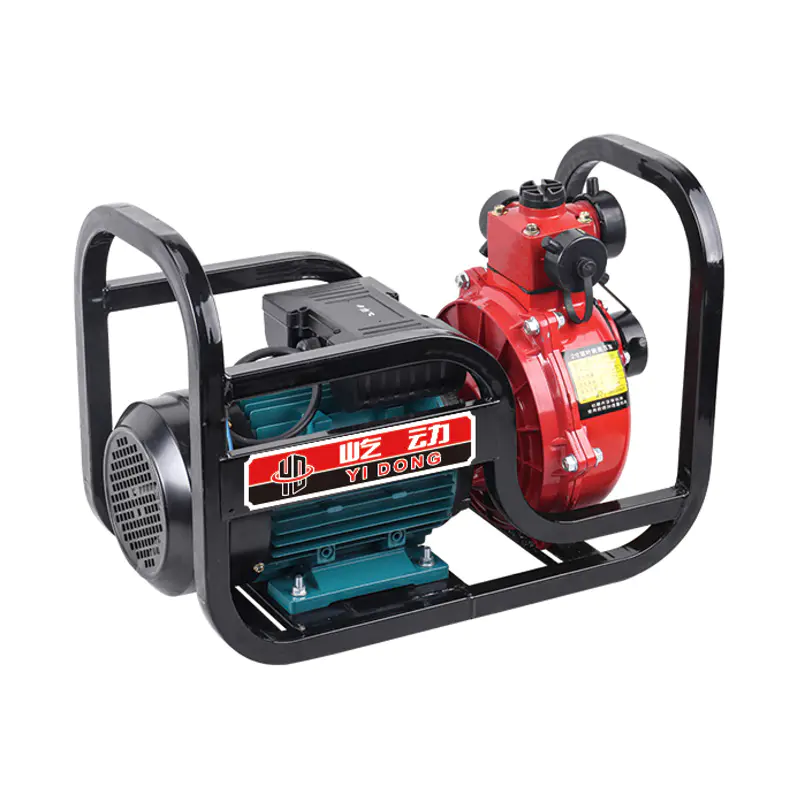
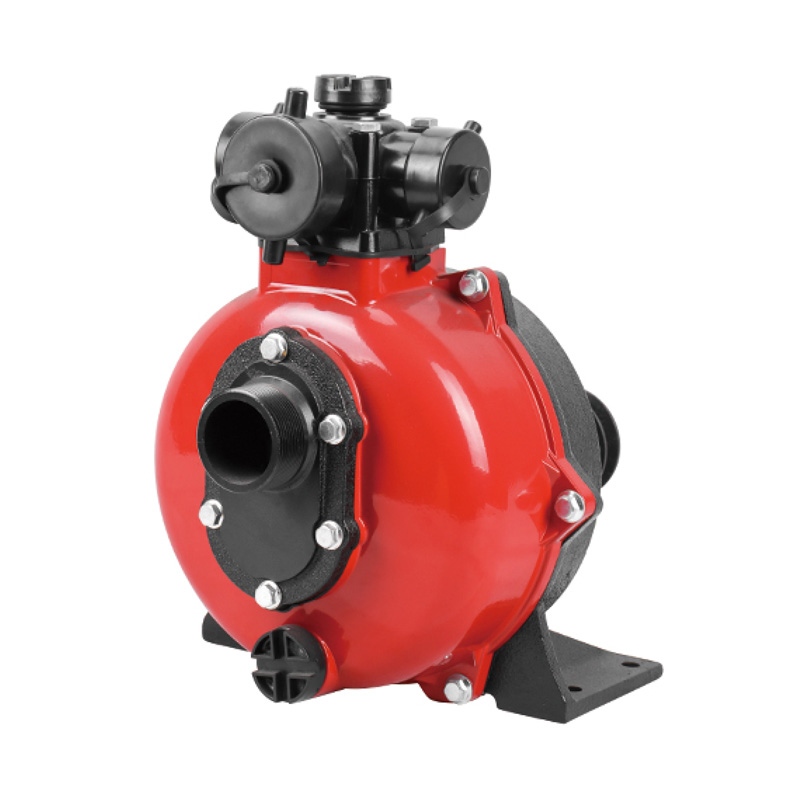
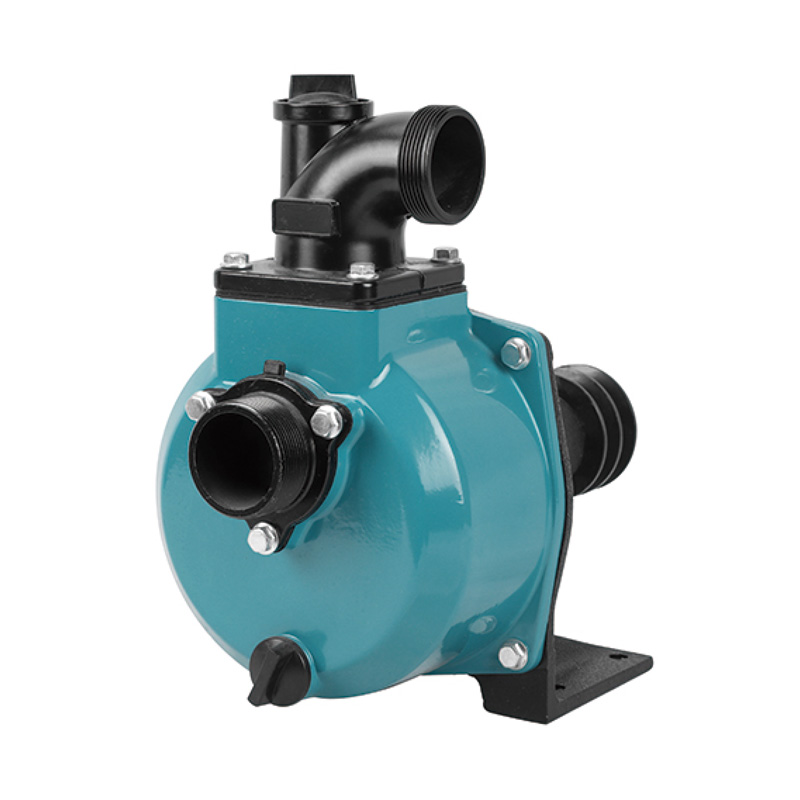
عربىPulley Pump Set systems are increasingly used in agricultural operations to support irrigation, water management, and fluid transfer. Choosing a system that delivers consistent performance while maintaining cost efficiency is critical for farmers and agricultural operators. A well-selected Pulley Pump Set can reduce energy usage, minimize maintenance requirements, and provide reliable service over time. Understanding how to evaluate these systems for cost efficiency allows agricultural users to balance operational needs with long-term economic considerations.
Applications in Agriculture
Pulley Pump Sets are commonly used in a variety of agricultural tasks, including field irrigation, water supply for livestock, drainage, and fertilizer distribution. Different applications may require varying flow rates, pressures, and pump capacities. For example, irrigation systems for row crops have different requirements compared to greenhouse watering or aquaculture setups. Identifying the specific needs of the farm operation is the first step toward selecting a cost-effective pump system. Understanding the environment, terrain, and seasonal variations also helps determine which configuration will deliver the best overall performance.
Factors Affecting Cost Efficiency
Several factors influence the cost efficiency of a Pulley Pump Set in agricultural use:
- Energy Consumption: Properly sized and aligned systems consume less energy. Ensuring that pulley and belt configurations match the pump requirements prevents unnecessary power losses and reduces operating costs.
- Durability and Maintenance: Selecting materials that withstand environmental conditions, such as moisture, dust, and temperature fluctuations, reduces the frequency of part replacement. Regular inspections and preventive maintenance keep the system running efficiently and prevent costly repairs.
- Operational Practices: Running the system within recommended load limits, avoiding prolonged idle operation, and scheduling irrigation or pumping cycles efficiently contribute to energy savings and component longevity.
Each of these factors, when managed carefully, can significantly improve the overall cost efficiency of the pump system.
Maintenance Considerations
Routine maintenance is essential for sustaining cost efficiency. Belts, pulleys, and bearings should be checked periodically for wear, proper alignment, and secure installation. Lubrication of moving parts ensures smooth operation and reduces the likelihood of unexpected failures. Environmental factors, such as dust or debris from soil, should be managed to prevent damage to the system. Maintaining a consistent inspection schedule and documenting maintenance activities allows agricultural operators to predict component life and avoid sudden downtime, contributing to lower long-term costs.
Economic Evaluation
When evaluating Pulley Pump Set options, consider both initial investment and long-term operating expenses. While some systems may require a higher upfront cost, their durability, lower maintenance requirements, and efficient energy use can result in greater savings over time. Comparing multiple configurations, materials, and design options against the specific needs of the farm helps ensure that the selected system offers a balanced approach to cost efficiency. Additionally, factoring in the ease of installation and replacement parts can reduce labor costs and downtime.
Recommendations for Agricultural Users
- Identify the primary purpose of the Pulley Pump Set, including flow rate and operating conditions.
- Choose materials and components suitable for environmental exposure, including humidity, temperature, and dust.
- Implement a routine maintenance schedule to inspect belts, pulleys, and bearings.
- Monitor energy consumption and adjust operational practices to optimize efficiency.
- Keep detailed records of maintenance and performance to make informed decisions about replacements or upgrades.
Pulley Pump Set systems offer a versatile and reliable solution for various agricultural applications. When selected and maintained with cost efficiency in mind, they can provide long-term savings in energy consumption, maintenance, and operational downtime. Understanding the specific requirements of the farm, selecting compatible components, and following a consistent maintenance routine are key to achieving economic benefits. By balancing performance with careful management of resources, agricultural operators can rely on Pulley Pump Set systems to deliver effective and efficient service throughout the farming cycle, supporting sustainable and productive operations.