

 English
 русский
 Français
 Español
 عربى
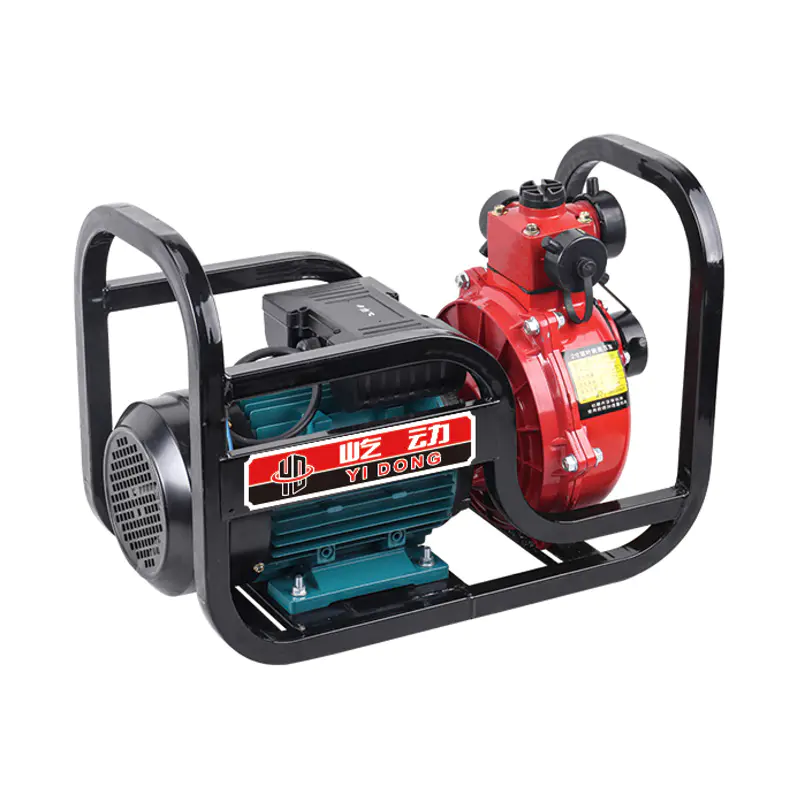
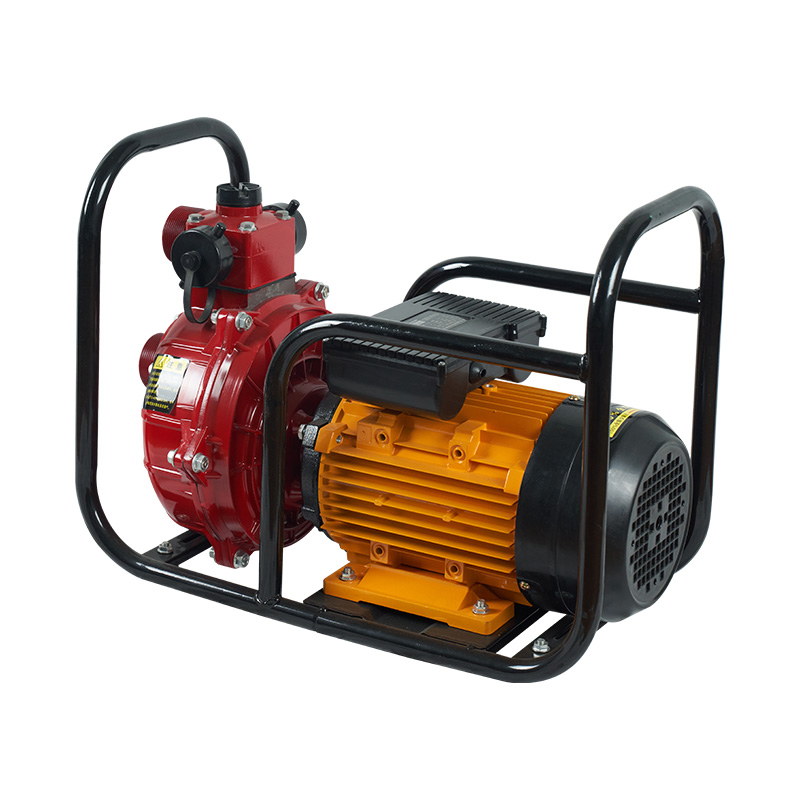
عربىA 220V agriculture water pump is widely used in farming environments where irrigation and water supply systems depend on electric power. Agricultural water pumps are designed in several structural forms to suit different irrigation conditions and water sources. Among these designs, self-priming pumps and centrifugal pumps are commonly used in agricultural water transfer tasks. Each type offers particular operational characteristics that make it suitable for specific environments. In locations where mechanical power sources are used, a Pulley Pump Set may also drive water pumps through belt and pulley mechanisms.
Characteristics of Self-Priming Pumps
Self-priming pumps are designed to remove air from the suction pipeline during startup. This feature allows the pump to begin moving water even when air is present in the suction line.
In many irrigation situations, the pump may be installed above the water source. When this happens, air can accumulate inside the pipeline between the water source and the pump. Self-priming pumps address this issue by creating suction conditions that gradually remove the trapped air.
Because of this design, a 220V agriculture water pump with self-priming capability may be used in irrigation systems where water sources are located below the pump installation level. These pumps are often used with wells, shallow reservoirs, and temporary water storage areas.
Characteristics of Centrifugal Pumps
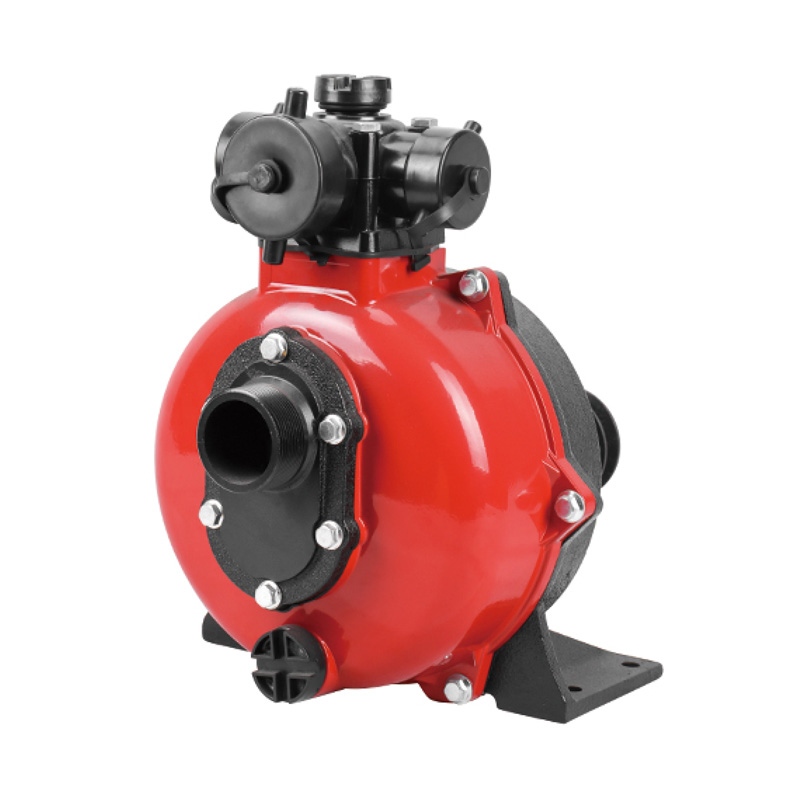
Centrifugal pumps operate using a rotating impeller that moves water outward through centrifugal force. When the impeller rotates inside the pump casing, water flows from the center of the impeller toward the outer edges of the chamber.
This motion creates pressure that pushes water toward the discharge pipe. Centrifugal pumps are commonly installed in irrigation networks connected to stable water sources such as ponds, irrigation canals, or large storage tanks.
In a typical centrifugal system, the pump chamber and suction line remain filled with water before operation begins. This condition allows the impeller to move water efficiently once the pump motor starts.
Differences in Installation Requirements
The installation process for self-priming pumps and centrifugal pumps can vary depending on irrigation design. Self-priming pumps allow greater flexibility because they can remove air from the suction line during startup.
Centrifugal pumps usually require the pump casing and suction pipe to remain filled with water before operation begins. Farmers often install foot valves or check valves to maintain water inside the suction line.
Both pump types may be installed as part of irrigation pipelines that distribute water across agricultural land. When electricity is available, these pumps may operate as part of a 220V Agriculture Water Pump system.
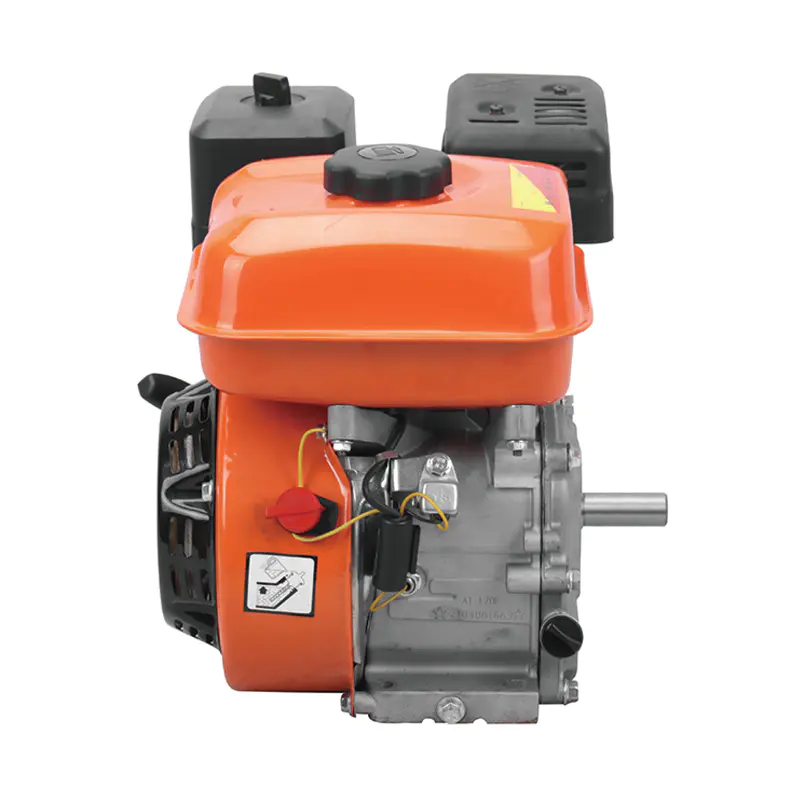
In environments where electric power is unavailable, mechanical drive systems, such as a Pulley Pump Set,t can power the pump through belt rotation connected to engines or tractors.
Agricultural Application Considerations
Different farming environments may influence the choice between pump types. Self-priming pumps may be useful in irrigation systems where pipelines are frequently emptied or where the pump is positioned above the water source.
Centrifugal pumps may be suitable for irrigation systems connected to stable reservoirs or ponds where the water supply remains consistent. These pumps are commonly used in irrigation networks that operate continuously during crop cultivation periods.
In many agricultural regions, farmers may combine electric pumping equipment with mechanical alternatives such as a Pulley Pump Set to adapt to different water sources and field conditions.
Maintenance and Operation
Routine inspection helps maintain reliable pump operation in agricultural environments. Farmers often check pipelines, valves, and pump housings to ensure that water moves smoothly through the system.
For self-priming pumps, maintaining clear suction pipelines helps support effective air removal during startup. For centrifugal pumps, ensuring that the suction line remains filled with water helps maintain stable operation.
When pumps are driven by a Pulley Pump Set, farmers may also inspect belts and pulley alignment to maintain consistent rotational movement.
Self-priming pumps and centrifugal pumps both play valuable roles in agricultural irrigation systems. Each design offers characteristics suited to particular water sources and installation conditions. A 220V Agriculture Water Pump may incorporate either structure depending on irrigation requirements, while a Pulley Pump Set provides an alternative method for driving pumps using mechanical power sources. By understanding the differences between these pump types, farmers can plan irrigation systems that support reliable water movement across agricultural land.