

 English
 русский
 Français
 Español
 عربى
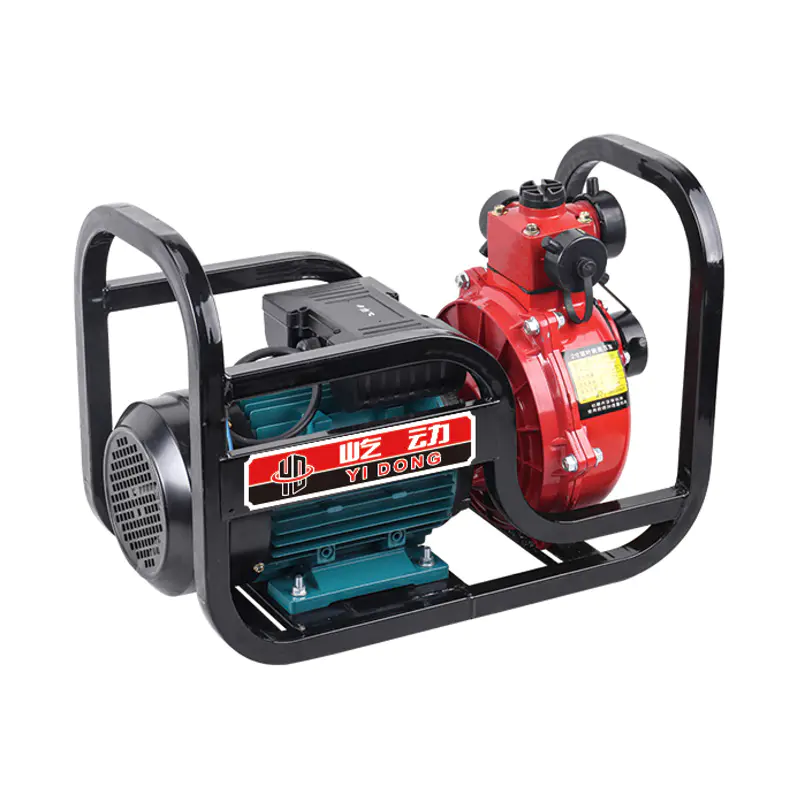
عربىA 220V agriculture water pump plays an important role in agricultural water transfer systems that support irrigation and farm water supply. Crops, livestock facilities, and many farming activities require reliable water movement from natural sources such as wells, ponds, rivers, or storage tanks. Pumps help move water through pipelines and irrigation networks so that farmland can receive the water needed during cultivation periods. In locations where electric power is available, electric pumps are commonly installed as part of irrigation systems. In areas where mechanical power sources are used, equipment such as a Pulley Pump Set can also operate water pumps through belt and pulley mechanisms.
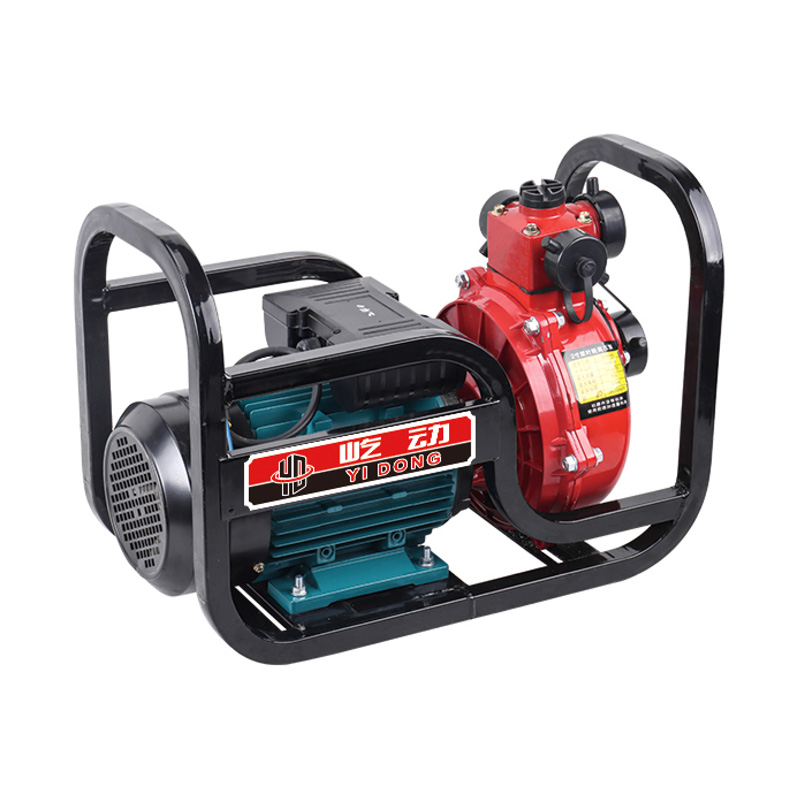
Main Components of an Agricultural Water Pump
An agricultural water pump contains several structural parts that work together during operation. These parts include the motor, pump housing, impeller, suction pipe, and discharge pipe.
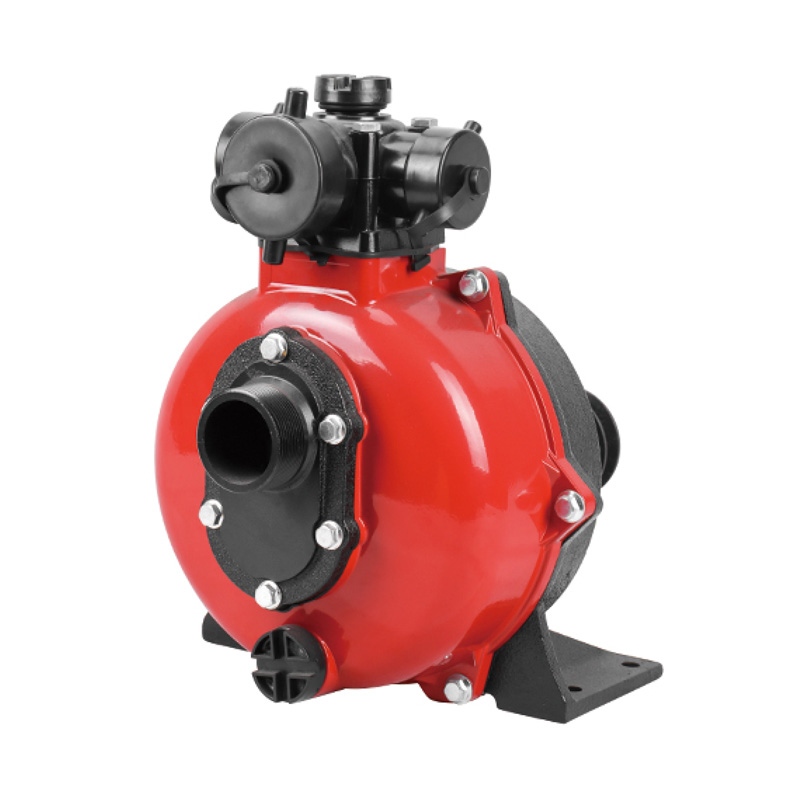
The motor provides the power required to rotate the internal components of the pump. The pump housing surrounds the internal chamber where water movement takes place. Inside this housing, the impeller rotates and creates the force needed to move water through the pump.
The suction pipe connects the pump to the water source, allowing water to enter the pump chamber. The discharge pipe directs the water toward irrigation pipelines or storage tanks used throughout the farm.
Each of these components contributes to the overall operation of the pump and ensures that water flows continuously through the system.
Motor Operation and Impeller Rotation
When a 220V agriculture water pump is activated, the electric motor begins to rotate. This rotational motion is transferred to the impeller through a shaft that connects the motor to the internal pumping mechanism.
As the impeller rotates inside the pump housing, it creates movement in the water located inside the chamber. This motion allows the pump to draw water from the suction pipe and push it toward the outlet.
The smooth interaction between the motor, shaft, and impeller allows the pump to operate continuously while electricity is supplied. This rotational process forms the foundation of the pump’s working principle.
Water Suction Process
The suction stage begins when the rotating impeller creates a pressure difference inside the pump chamber. This pressure difference allows water to move from the external water source into the pump.
Water sources used in agriculture may include underground wells, irrigation canals, reservoirs, or farm ponds. As the impeller continues rotating, water is gradually pulled toward the center of the pump chamber through the suction pipe.
The constant rotation of the impeller ensures that water continues entering the pump while the system is operating.
Water Discharge and Flow Distribution
Once water enters the pump chamber, the rotating impeller forces the water outward due to centrifugal motion. As the water moves toward the outer area of the pump housing, pressure builds inside the chamber.
This pressure pushes the water through the discharge pipe and into irrigation pipelines or distribution channels. From there, water can reach different parts of the farm through sprinkler systems, drip irrigation lines, or open irrigation channels.
This continuous cycle of suction and discharge allows water to move efficiently across agricultural land.
Role of Pulley-Driven Pump Systems
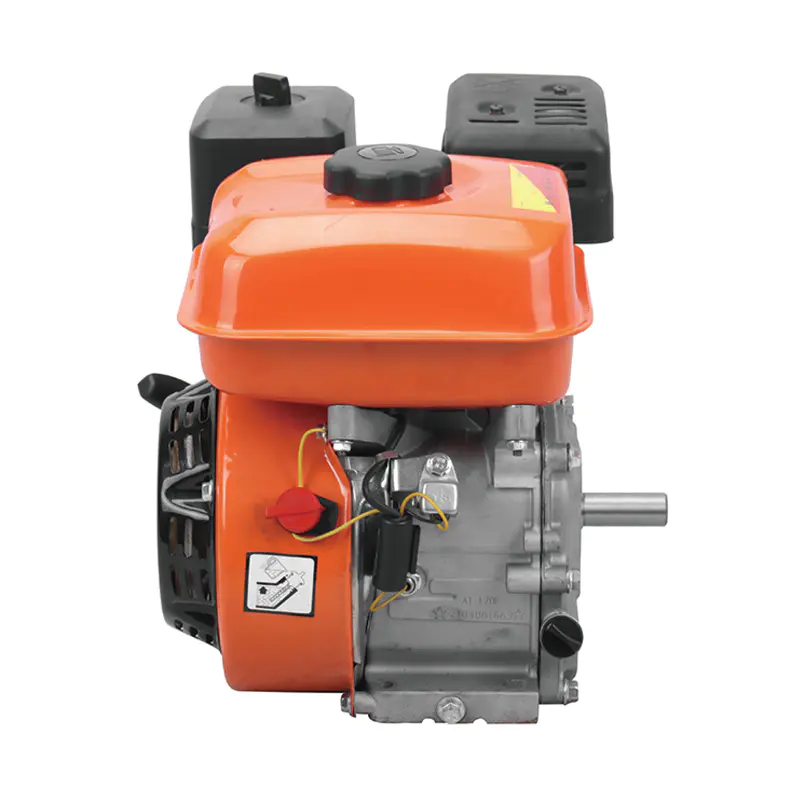
While many irrigation systems use electric pumps, some farms rely on mechanical drive systems. A Pulley Pump Set can transfer rotational energy from an external engine or tractor to the pump through belts and pulleys.
In this arrangement, the pulley connected to the engine rotates and drives another pulley attached to the pump shaft. The belt linking these pulleys transfers mechanical power and allows the pump to operate.
This method is often used in environments where the electric power supply is limited or where tractors and engines already serve as available power sources.
Integration With Irrigation Infrastructure
Water pumps are typically connected to irrigation infrastructure that includes pipelines, control valves, and water storage systems. A 220V agriculture water pump can supply water to irrigation networks located near farm buildings or areas with access to electricity.
These pumps help distribute water across planting areas and maintain steady irrigation during crop growth. In locations where electric supply is not available, a Pulley Pump Set may provide an alternative method for driving the pump and supporting water transfer.
Both systems can be incorporated into irrigation networks depending on the resources available on the farm.
Agricultural water transfer systems rely on pumps to move water from natural sources to irrigation networks across farmland. The working process involves coordinated movement between the motor, impeller, pump housing, and pipelines. A 220V Agriculture Water Pump provides a reliable option for farms connected to electric power, while a Pulley Pump Set allows pumps to operate using mechanical energy from engines or tractors. Understanding these operating principles helps farmers maintain irrigation equipment and support stable water movement in agricultural environments.