

 English
 русский
 Français
 Español
 عربى
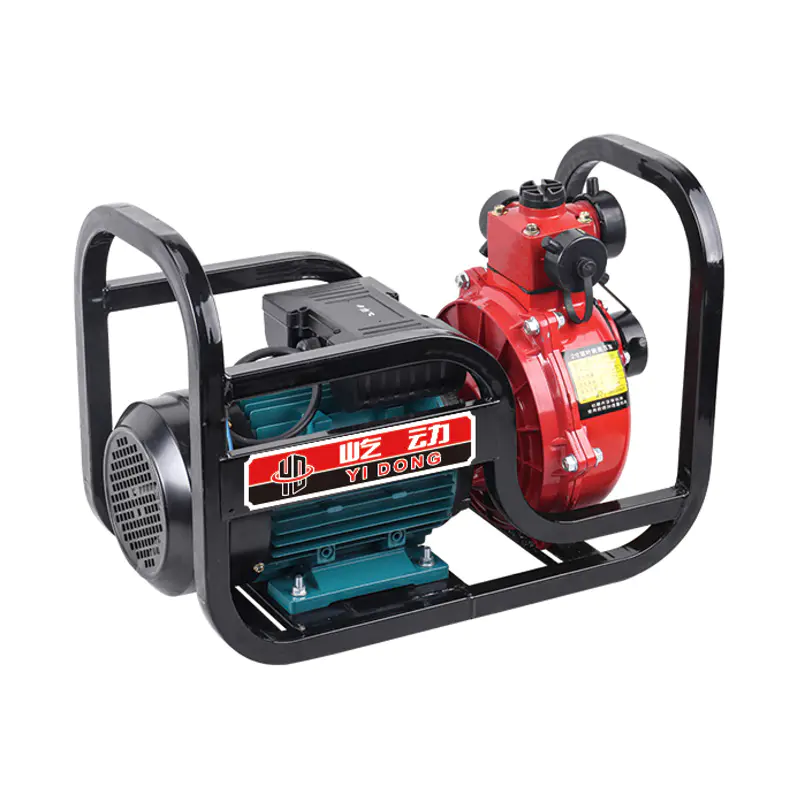
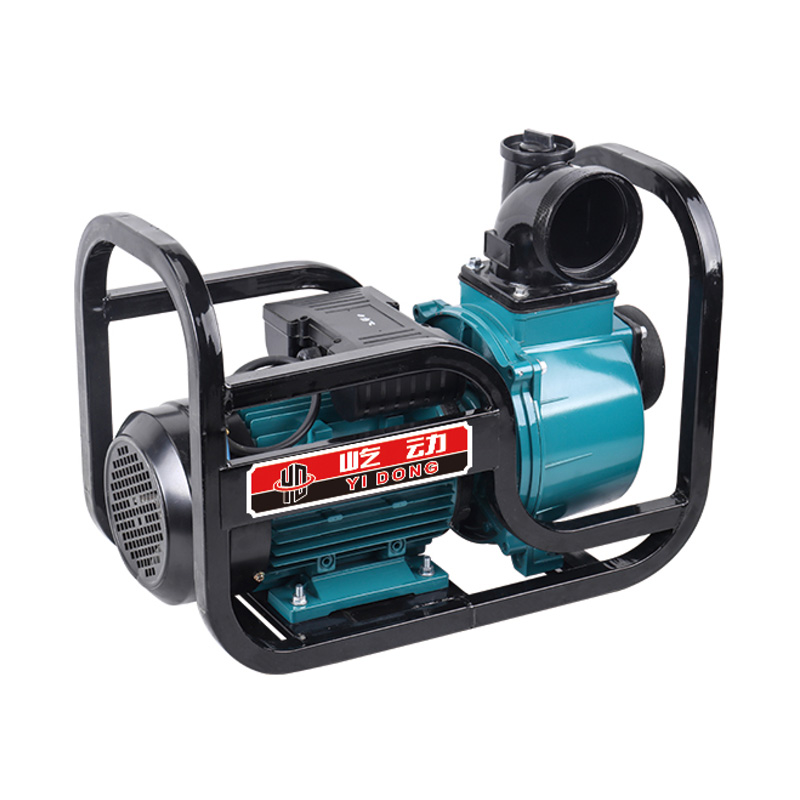
عربىA 220v agriculture water pump listed with a single flow rate figure on a distributor's spec sheet can be misleading, since the same motor platform paired with a 2-inch, 3-inch, or 4-inch pump head delivers meaningfully different output — a detail that matters directly when a buyer is trying to match a pump to a specific field size and irrigation layout.
Pump Head Diameter Determines Flow Rate, Not Motor Power Alone
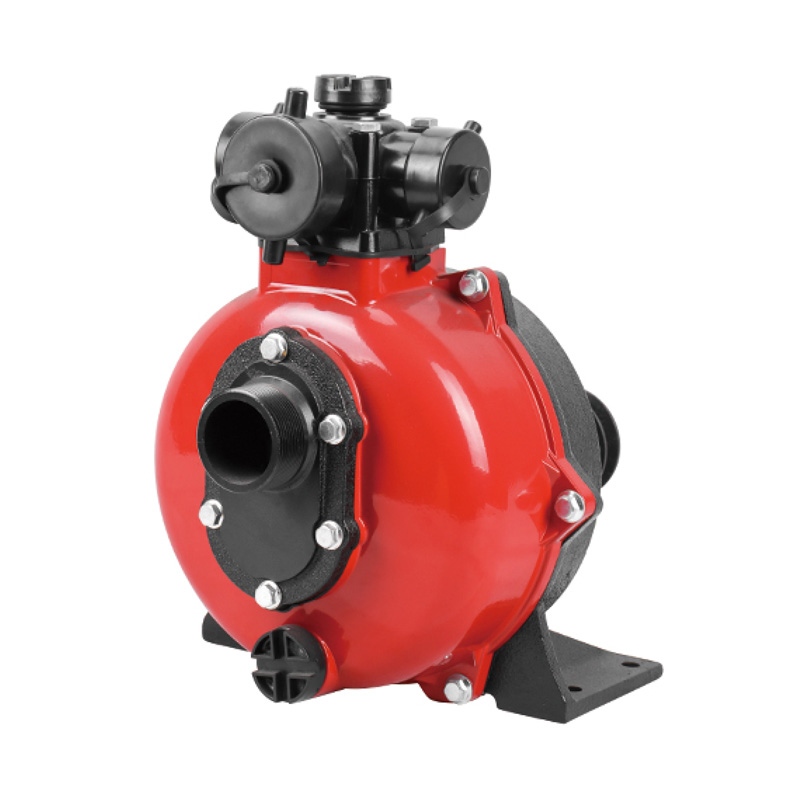
A 220v agriculture water pump built on a shared 3.0kW motor platform can output roughly 30 cubic meters per hour through a 2-inch head, scale up to around 60 cubic meters per hour through a 3-inch head, and reach approximately 80 cubic meters per hour through a 4-inch head, even though the motor itself stays constant across all three configurations. Buyers comparing quoted flow rates between suppliers should confirm which head size a stated figure applies to, since a supplier advertising the highest flow number in their range without specifying head size can mislead a buyer into expecting that output from a smaller, lower-capacity configuration.
Maximum Lift Height Doesn't Scale the Same Direction as Flow Rate
Counterintuitively, a larger pump head doesn't automatically deliver a higher maximum lift height across this product category — a 3-inch head can achieve a higher maximum lift than a 4-inch head on the same motor platform, since the two dimensions trade off against each other based on impeller design rather than moving in the same direction together. Buyers selecting a 220v agriculture water pump configuration for fields at significant elevation above the water source should prioritize maximum lift specifications over flow rate figures alone, since choosing based on flow rate without checking lift capacity can result in a pump that moves plenty of water volume but can't actually push it high enough to reach an elevated field.
|
Pump Head Size |
Max Flow Rate |
Max Lift Height |
Suited Field Type |
|
2 inch |
~30 m³/h |
~30 meters |
Smaller plots, higher elevation gain |
|
3 inch |
~60 m³/h |
~45 meters |
Mid-size farms, elevated fields |
|
4 inch |
~80 m³/h |
~26 meters |
Larger acreage, lower elevation gain |
Self-Priming Design Reduces a Common Field Setup Failure Point
A self-priming centrifugal pump design allows the unit to clear air from its intake line automatically at startup, without requiring a farm worker to manually fill the pump casing with water before every use — a setup step that's easy to forget and a common cause of dry-running damage on pumps without this feature. Buyers sourcing for farm labor with variable technical experience should treat self-priming capability as a practical reliability feature rather than a minor convenience, since it removes a manual step that field workers frequently skip during routine startup.
Single-Stage Motor Construction Simplifies Maintenance at the Farm Level
A single-stage water pump motor design uses one impeller stage rather than multiple stages in series, which keeps the internal construction simpler and more straightforward for farm-level maintenance compared to multi-stage designs that require more specialized service knowledge. For a 220v agriculture water pump intended for small to medium-sized farms where in-house technical support is limited, this simpler construction reduces the likelihood that a routine seal or bearing replacement requires calling in outside service technicians rather than being handled by farm staff with basic mechanical familiarity.
Voltage Compatibility Requires Confirmation Beyond the Headline Spec
Electric water pump voltage compatibility for a 220v agriculture water pump needs confirmation at the actual destination market level, since a 220V rating assumes single-phase supply consistent with many regions but doesn't automatically match every electrical grid configuration a buyer might be sourcing for. Buyers exporting into markets with different standard voltage or frequency configurations should confirm with suppliers whether the motor winding is built specifically for 220V/50Hz supply or whether a different configuration is needed, since running a motor on mismatched voltage or frequency shortens its service life even when the pump technically powers on.
Suction Lift Capacity Sets a Practical Limit on Water Source Placement
An 8-meter maximum suction lift figure, consistent across the 2-inch, 3-inch, and 4-inch head configurations available for this 220v agriculture water pump line, sets a real limit on how far below the pump's installation point a water source can sit before the pump can no longer draw water effectively. Buyers advising farm customers on installation planning should treat this suction lift figure as a hard practical constraint rather than a theoretical maximum, since pumps operating near their rated suction lift limit often show reduced flow performance well before reaching the absolute cutoff figure.
OEM Customization Requests Concentrate Around Impeller Material and Fitting Standards
Buyers requesting private-label or region-specific variants commonly ask for impeller material changes — to handle sediment-heavy water sources common in certain farming regions — and adjustments to inlet and outlet fitting standards to match regional pipe conventions, rather than changes to the core motor design. An OEM irrigation pump manufacturer capable of swapping impeller materials and fitting standards from an established motor platform typically turns around region-specific orders faster than one treating every fitting variation as a new engineering project, and buyers should confirm which impeller materials are available before committing to an order for regions with known sediment or mineral content in local water sources.