

 English
 русский
 Français
 Español
 عربى
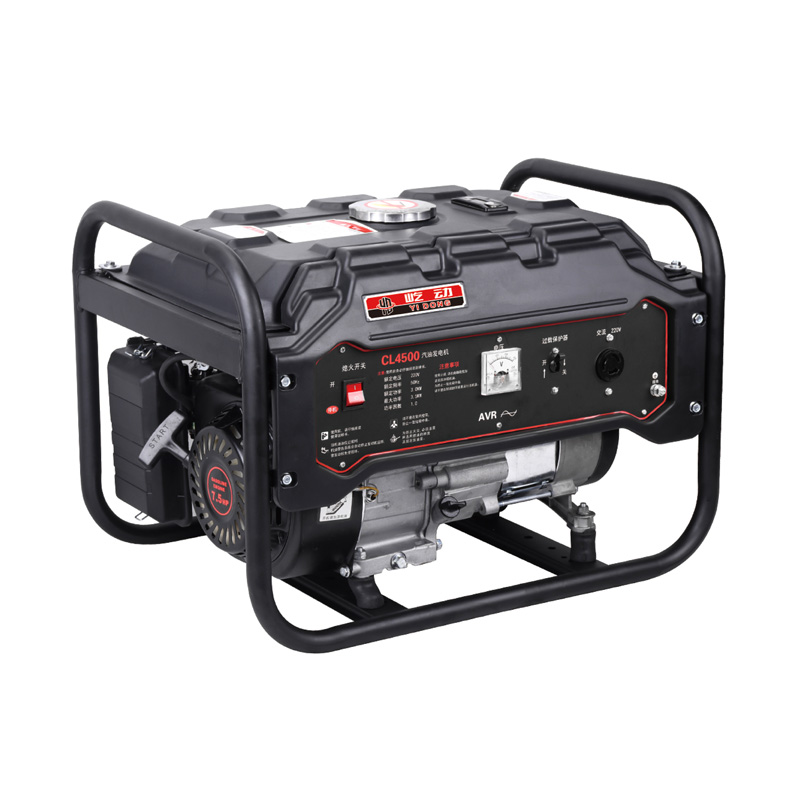
عربىA 7.5kva home generator built around the same displacement engine and fuel tank specifications as a competitor's model can still deliver a meaningfully different ownership experience over several years, and that difference traces back to assembly precision rather than anything visible on a comparative spec sheet.
Engine Displacement and Fuel Consumption Need to Be Matched, Not Just Listed
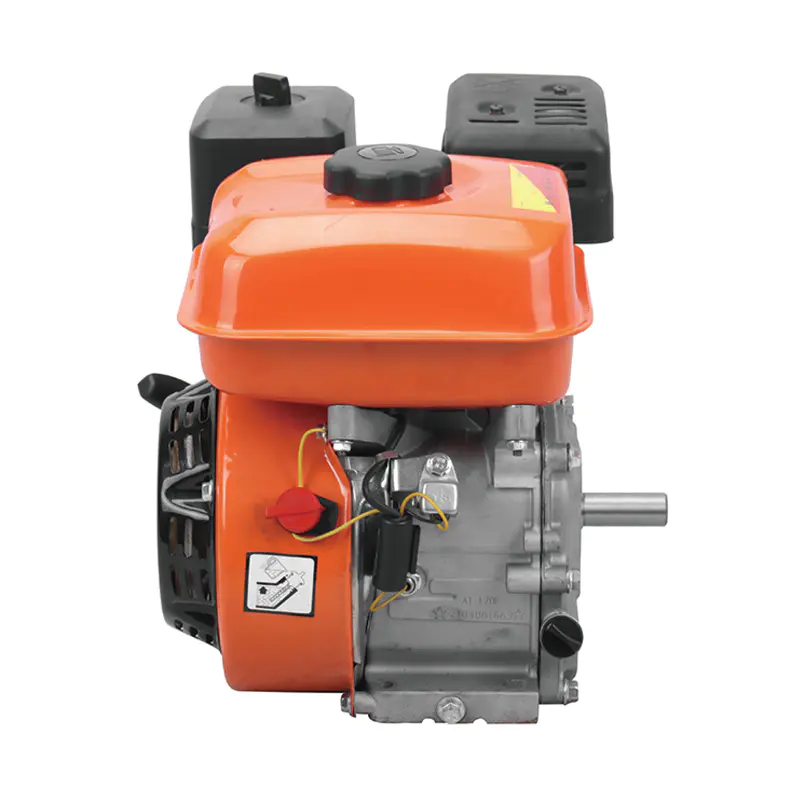
A 7.5kva home generator built around a 420cc GX420 gasoline engine with a 25-liter fuel tank achieves a fuel consumption rate around 374 grams per kWh at rated output, translating to roughly 7.5 hours of continuous operation on a full tank. These figures only hold if the engine and generator head are properly matched during assembly — an oversized engine paired with a smaller generator head wastes fuel running below its efficient operating range, while an undersized engine struggles to maintain rated output under sustained load. Buyers should confirm that a supplier's engine-to-head pairing has been validated through actual load testing rather than assumed from independently sourced component specifications.
Panel Design Variation Reflects Real Differences in End-Market Preferences
Manufacturers offering multiple OEM generator panel design options for the same core 7.5kva home generator platform are responding to genuine regional differences in how end users expect to monitor and operate a generator, not simply offering cosmetic variety. Some markets prioritize analog gauges that are easy to read at a glance, while others expect digital displays showing runtime, fuel level, and load percentage. Buyers sourcing for a specific regional market should ask which panel configurations are already validated for that market rather than assuming any available panel design is a simple drop-in swap.
|
Build Factor |
Basic Assembly |
Load-Validated Assembly |
|
Engine-to-head matching |
Assumed from component specs |
Verified through actual load testing |
|
Fuel consumption accuracy |
May vary from published figures |
Matches rated consumption closely |
|
Noise level consistency |
Can vary unit to unit |
Consistent around rated 72dB figure |
|
Long-term reliability |
Less predictable |
More consistent across production run |
Automatic Voltage Regulation Protects Connected Devices From Engine Load Swings
Automatic voltage regulation keeps output voltage stable even as connected load changes, preventing the voltage sags and spikes that can damage sensitive appliances during a generator's normal operation. A 7.5kva home generator without properly calibrated voltage regulation can technically meet its rated output figures on a test bench while still delivering inconsistent voltage to real-world connected loads, since bench testing under steady conditions doesn't always reveal regulation behavior under the load-switching patterns typical of actual home use. Buyers should ask whether voltage regulation has been tested under switching load conditions specifically, not just steady-state output.
Low-Oil Shutdown Protection Prevents a Leading Field Failure
Running low on oil is one of the more frequent causes of engine damage in gasoline generators used by buyers unfamiliar with routine maintenance schedules, and a properly calibrated low-oil shutdown system protects the engine automatically before damage occurs rather than relying on the end user to notice a warning light. Buyers should confirm that shutdown sensors are calibrated to trigger with an adequate safety margin before oil pressure drops to a damaging level, since a poorly calibrated sensor either triggers unnecessary shutdowns during normal operation or fails to trigger early enough to protect the engine.
Certification Documentation Should Address the Fuel Tank and Engine Separately
A 25-liter fuel tank built into a 7.5kva home generator needs its own material safety and leak-testing documentation separate from engine emissions or safety certification, since these are frequently different compliance categories evaluated under different standards. Buyers importing into markets with specific fuel container regulations should confirm that tank-specific documentation exists rather than assuming general generator certification automatically covers the fuel storage component.
Starting Mechanism Reliability Affects Perceived Quality More Than Buyers Expect
A 7.5kva home generator offered with both pull-start and electric-start options gives buyers flexibility to match starting mechanism to end-customer preference, but the electric-start version depends on battery reliability that a pull-start version doesn't need to consider at all. Buyers stocking electric-start units for regions with hot climates should ask suppliers whether the battery and starter motor have been validated for reliable cold and hot starting across the actual ambient temperature range of the destination market, since a starter system that struggles in extreme heat or cold creates an early reliability problem regardless of how well the engine itself performs once running.
Frame and Handle Construction Affects Long-Term Durability During Repeated Moves
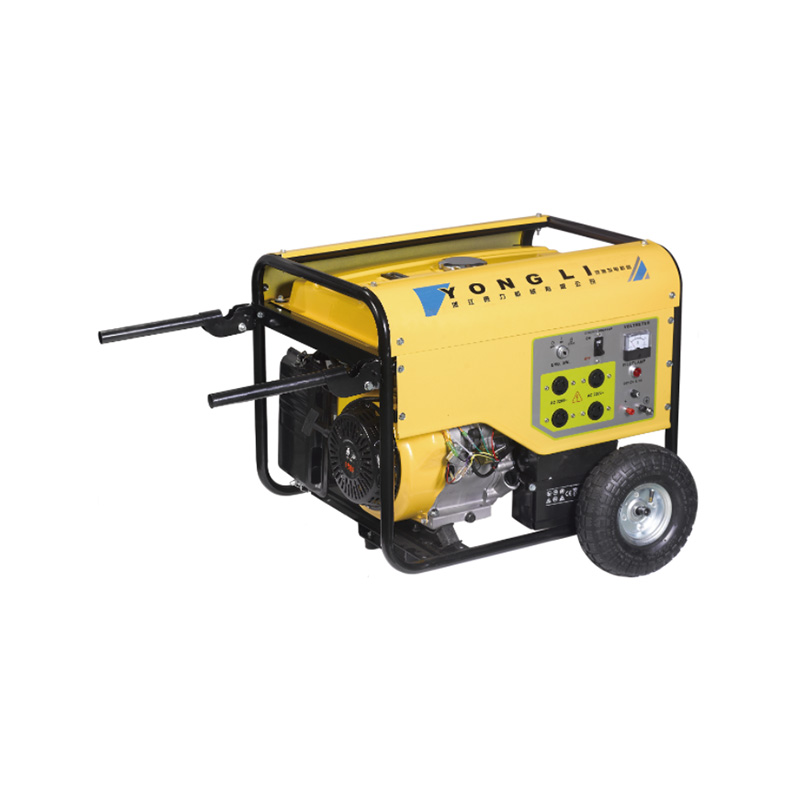
A 7.5kva home generator intended for households that store the unit away between uses and move it for occasional backup power needs a frame and handle assembly built to tolerate repeated lifting and repositioning without developing stress cracks at the weld points. Manufacturers reinforcing handle attachment points specifically, rather than relying on the same gauge frame material used throughout the rest of the housing, produce a unit that holds up better to the realistic handling pattern of intermittent home use, where the generator gets moved in and out of storage far more often than it actually runs.