

 English
 русский
 Français
 Español
 عربى
عربىHouseholds, commercial buildings, and industrial facilities continue paying closer attention to equipment efficiency and operating comfort. In many applications, a water pump set is expected to provide stable water transportation while supporting lower energy consumption and quieter daily operation. As users become more aware of long-term operating costs and maintenance requirements, pump systems designed for efficient performance and reduced noise are receiving growing interest across different industries.
Why Energy Efficiency Matters
Water pump systems are often used for long operating hours each day, especially in water supply, irrigation, and circulation projects. Because of this, electricity consumption has become an important factor during equipment selection.
Many users now evaluate pump systems not only by flow and pressure performance, but also by how efficiently the motor operates during continuous use. Equipment with balanced energy consumption may help reduce long-term operating expenses while supporting more stable daily operation.
Energy-efficient pump systems are commonly used in:
- Residential water supply
- Agricultural irrigation
- Industrial cooling systems
- Commercial buildings
- Water circulation projects
The growing focus on energy management has also encouraged wider discussion around motor design and automatic control technology.
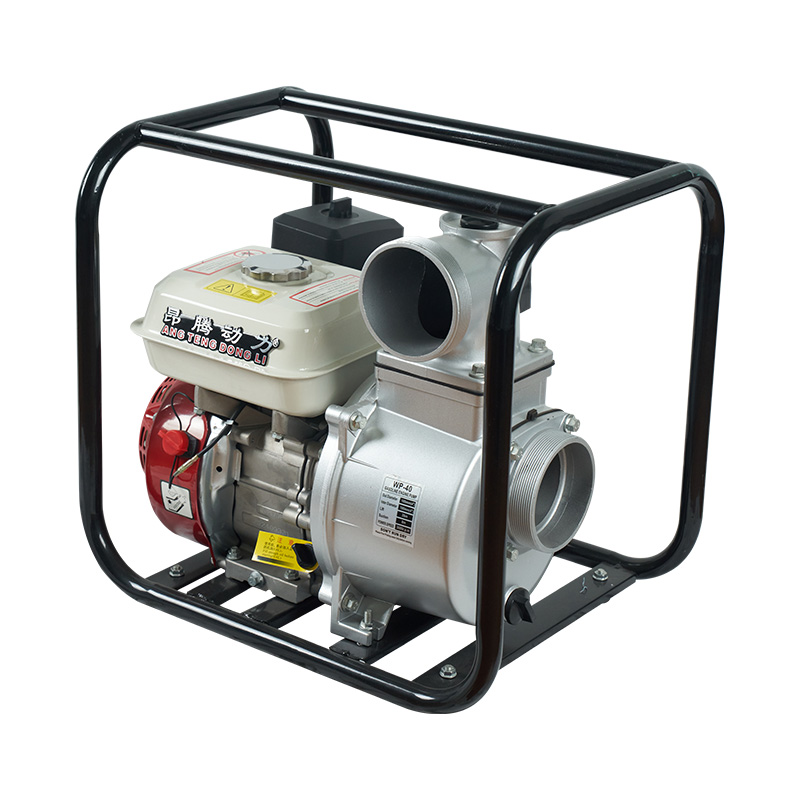
Importance of Quiet Operation
Noise control is becoming increasingly important in both residential and commercial environments. Pump systems installed near living spaces, offices, or indoor equipment rooms are expected to operate with lower vibration and smoother sound levels.
Several design factors may influence pump noise during operation.
Motor Structure
Stable motor construction can help reduce unnecessary vibration during long operating cycles. Balanced internal components are often associated with smoother operation.
Pump Housing Design
The structure of the pump housing may affect airflow, cooling performance, and operating sound. Compact and stable housing designs are commonly preferred in indoor installations.
Vibration Reduction Components
Some pump systems include vibration control structures that help reduce movement during operation. This may contribute to quieter performance in residential and commercial environments.
Factors Affecting Service Life
Long operating life remains an important consideration for many users because pump systems are often expected to support daily activities for extended periods.
Material Durability
Pump components are frequently exposed to moisture, pressure changes, and environmental conditions that may influence equipment wear. Stainless steel parts, protective coatings, and stable sealing structures are commonly discussed when evaluating durability.
Heat Dissipation Performance
Motors generate heat during operation, especially during long working hours. Proper ventilation and cooling design may help maintain more stable operating conditions.
Operating Stability
Frequent starting and stopping may increase stress on pump components over time. Systems with smoother control functions and balanced motor operation are often viewed as more suitable for continuous use.
Choosing the Right Water Pump Set
Different applications require different pump configurations. Users often compare installation conditions, water demand, and operating schedules before selecting equipment.
Match Flow and Pressure Requirements
Flow rate and head capacity should match the actual water transportation needs of the project. Oversized or undersized systems may affect operating efficiency and water supply stability.
Consider Installation Environment
Indoor and outdoor environments may require different protective structures. Moisture, dust, ventilation, and available installation space can all influence equipment selection.
Evaluate Maintenance Convenience
Accessible filters, pipe connections, and inspection areas may help simplify routine maintenance. Equipment that supports easier servicing is often preferred for long-term operation.
Maintenance for Stable Operation
Routine maintenance plays an important role in supporting equipment performance over time. Regular inspection of seals, filters, pipes, and electrical connections may help maintain smooth water flow and stable motor operation.
Cleaning accumulated debris and monitoring operating temperature are also common maintenance practices. Preventing dry-running conditions remains important because an insufficient water supply may increase wear on internal components.
As users continue focusing on operating comfort and energy management, pump systems are gradually developing toward quieter performance and more efficient operation. Water pump equipment designed with balanced energy use, stable construction, and convenient maintenance features is expected to remain widely used across residential, agricultural, and industrial applications.