

 English
 русский
 Français
 Español
 عربى
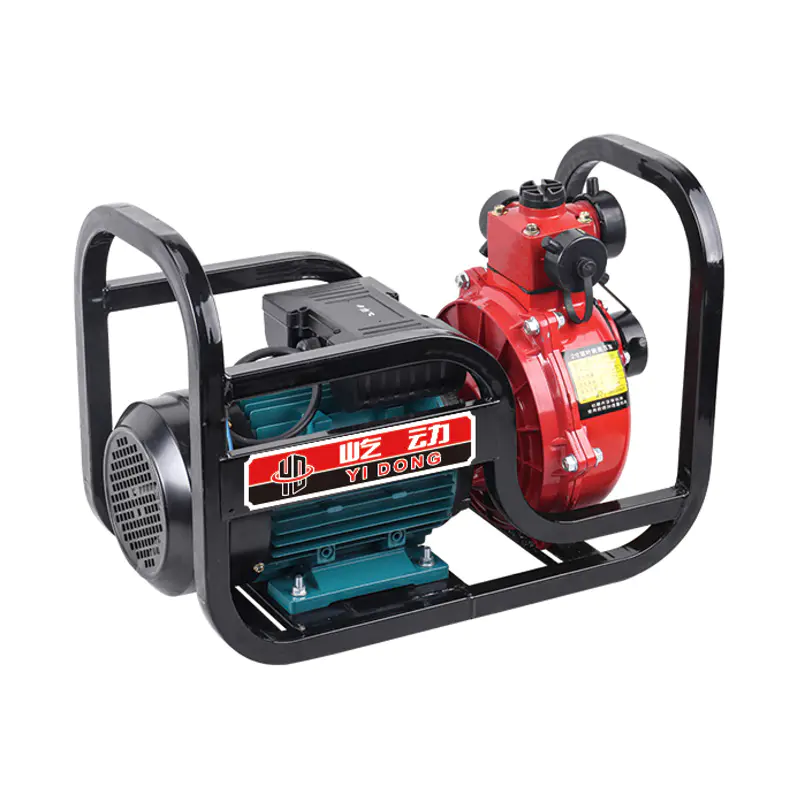
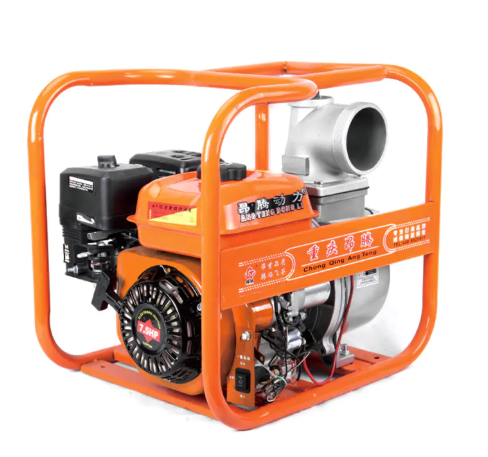
عربىA petrol water motor pump may work normally during one season, then suddenly struggle to draw water after sitting unused for several months.
On many farms and temporary job sites, operators first suspect engine problems because the machine still starts and runs. In reality, the issue often begins inside the pump system itself rather than the gasoline engine.
Experienced users know storage conditions affect portable pumps more than many people expect.
Actually, some pumps lose prime not because of major damage, but because small sealing changes develop gradually while the equipment sits idle.
Air Leaks Usually Start At Small Connections
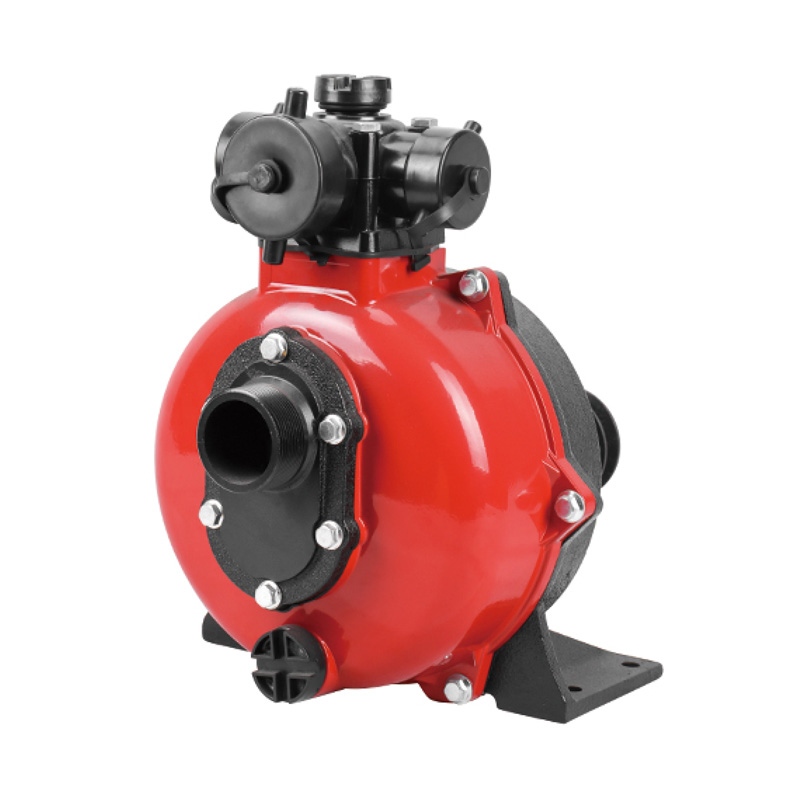
A petrol water motor pump depends on stable internal vacuum pressure to lift water through the suction line.
After long storage periods, rubber seals and hose connections may harden slightly or lose elasticity. Even tiny air leaks become enough to interrupt suction performance once the pump begins operating again.
This commonly appears around:
- hose couplings
- inlet fittings
- gasket surfaces
- threaded joints
- priming caps
Actually, some pumps fail to draw water even though no visible water leakage appears externally.
Dry Seals Behave Differently After Long Downtime
Inside a working petrol water motor pump, water normally helps lubricate and stabilize certain sealing surfaces during operation.
When the machine remains unused for extended periods, internal seals may dry unevenly depending on temperature and storage humidity. Once restarted, the sealing pressure sometimes becomes inconsistent until the material absorbs moisture again.
This becomes more noticeable in:
seasonal agricultural use
emergency backup equipment
construction storage yards
portable irrigation systems
flood-control standby units
Actually, pumps stored in hot enclosed spaces often experience faster seal aging than regularly operated equipment.
Suction Height Changes Pump Behavior Quickly
Many operators underestimate how sensitive a petrol water motor pump becomes once suction height increases.
A pump positioned slightly farther above the water source may suddenly struggle after storage because weakened sealing efficiency reduces vacuum strength. Conditions that previously worked without issue may no longer provide stable water lift.
This is especially common when:
- intake hoses become longer
- terrain slopes change
- water levels drop seasonally
- hose bends increase
- intake strainers partially clog
Actually, small suction losses usually become visible first under difficult intake conditions rather than during shallow pumping applications.
Fuel Problems Sometimes Hide Pumping Problems
With a petrol water motor pump, engine performance and pump performance often get confused together.
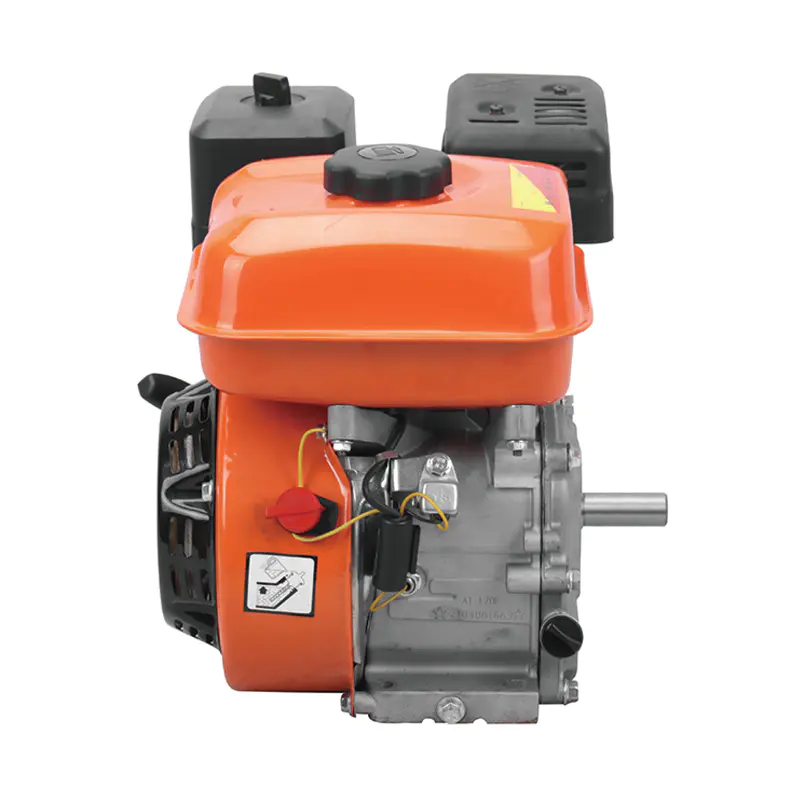
After storage, old gasoline may cause unstable RPM fluctuation. Even when the engine still runs, inconsistent rotational speed can affect impeller efficiency and vacuum generation inside the pump body.
Operators sometimes notice:
- delayed priming
- interrupted water flow
- unstable discharge pressure
- irregular suction noise
- fluctuating output volume
Actually, weak suction and unstable engine speed often appear together even though they originate from separate mechanical causes.
Internal Corrosion Can Restrict Water Flow
Portable pumps frequently operate in muddy or mineral-heavy water environments.
If a petrol water motor pump is stored without proper cleaning afterward, small amounts of sediment or moisture may remain trapped inside the housing. Over time, corrosion or buildup can affect impeller clearance and internal water movement.
This becomes more serious in pumps used for:
- construction drainage
- flood recovery
- agricultural irrigation
- pond transfer
- emergency pumping work
Actually, minor internal buildup sometimes reduces pumping efficiency long before operators notice obvious mechanical wear.
Storage Habits Affect Reliability More Than Many Expect
To outside users, a petrol water motor pump mainly appears to be a simple portable machine combining an engine and impeller system.
Inside real operating environments, however, long-term reliability depends heavily on how the pump is stored between uses. Seal condition, fuel quality, moisture exposure, and suction integrity all change gradually during downtime.
The difficult part is not making the pump move water during active operation.
It is keeping the internal sealing and suction system stable after months of inactivity, changing weather, and irregular field storage conditions where small problems quietly develop before the next startup.