

 English
 русский
 Français
 Español
 عربى
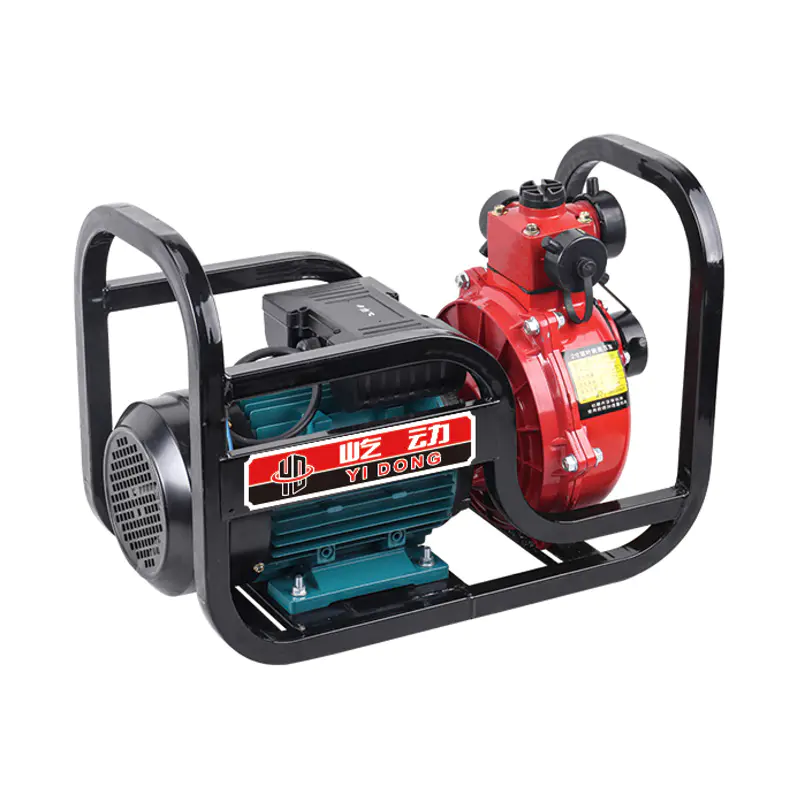
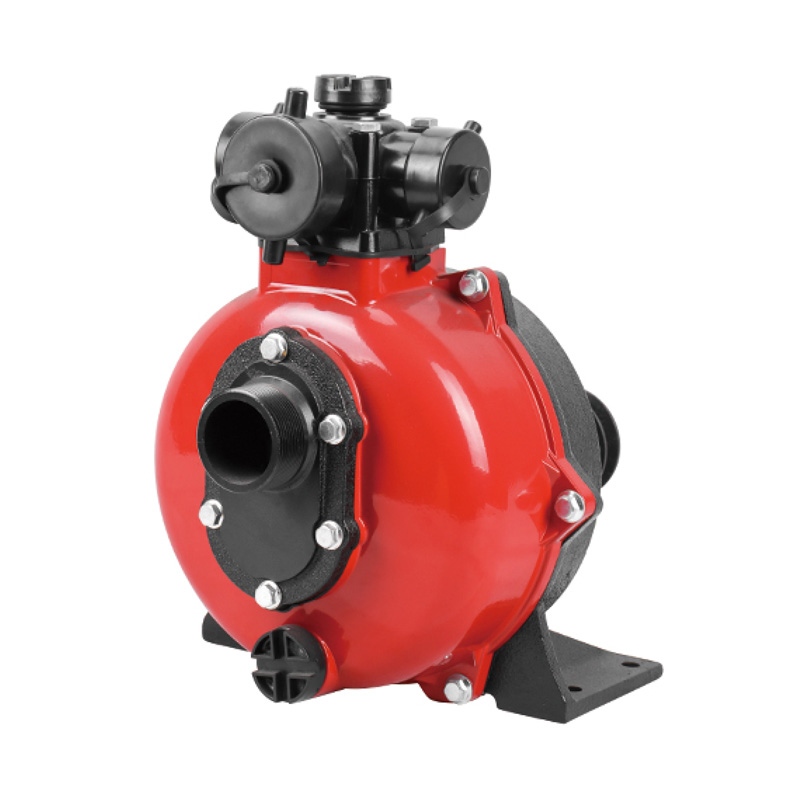
عربىIndustrial facilities often depend on stable fluid transportation systems to support daily production and processing activities. In many manufacturing environments, a water pump set is used for fluid circulation, wastewater transfer, cooling systems, and equipment cleaning processes. As industrial projects continue expanding across different sectors, pump systems are receiving greater attention for their operating reliability, maintenance efficiency, and adaptability to demanding working conditions.
Growing Demand for Industrial Pump Systems
Industrial fluid handling projects usually require continuous operation over long working periods. Pump equipment is commonly used to move water, chemicals, wastewater, and other industrial fluids through pipelines and processing systems.
Different industries have different operating requirements, which have encouraged the development of various pump structures and control systems. Industrial users often focus on operational stability because interruptions in fluid transportation may affect production schedules and equipment coordination.
Water pump systems are widely used in:
- Manufacturing facilities
- Wastewater treatment plants
- Mining operations
- Construction projects
- Cooling circulation systems
- Chemical processing environments
The growing complexity of industrial infrastructure has increased interest in pump systems that can support stable operation under changing workloads.
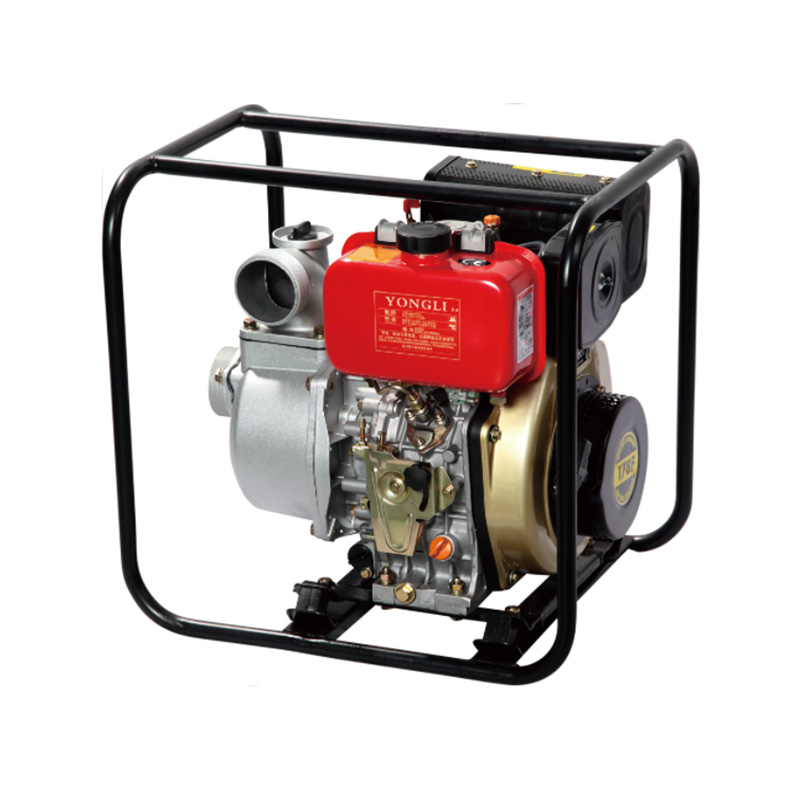
Industrial Applications for Water Pump Sets
Wastewater Treatment Systems
Wastewater treatment projects rely on pump equipment to transfer liquids between treatment stages. These systems often operate in environments containing particles, sludge, and chemical substances.
Industrial users typically focus on corrosion resistance, sealing performance, and maintenance accessibility when selecting wastewater pump systems.
Cooling Water Circulation
Many factories use pump systems for cooling equipment and regulating production temperatures. Stable fluid circulation helps maintain equipment operation during long production cycles.
Cooling systems often require consistent pressure and continuous water flow throughout the facility.
Construction and Mining Projects
Construction sites and mining operations frequently use heavy-duty pump equipment for drainage, water transportation, and dust control applications.
These environments may expose pump systems to mud, debris, vibration, and outdoor weather conditions, making durability an important consideration.
Performance Factors Receiving Attention
Industrial users usually evaluate pump systems according to project requirements, operating conditions, and maintenance planning.
Continuous Operation Capability
Many industrial facilities operate for extended working hours each day. Pump systems designed for continuous-duty applications are often preferred in production environments that require stable fluid movement throughout the operating cycle.
Material Durability
Industrial fluids may contain chemicals, particles, or moisture that affect equipment surfaces over time. Stainless steel components and protective coatings are commonly discussed because they help improve resistance to corrosion and wear.
Pressure and Flow Stability
Stable pressure helps support smooth fluid transportation across industrial pipelines and processing equipment. Inconsistent flow conditions may affect production efficiency and system coordination.
Pump systems with balanced flow control are commonly selected for industrial fluid handling projects.
Technology Changes in Industrial Pump Equipment
Automation and digital control systems are becoming more common in industrial facilities. Pump equipment is increasingly being integrated into centralized control networks to support more organized operation and monitoring.
Variable Frequency Drive Systems
Variable frequency drive technology allows motor speed adjustment according to system demand. This helps support flexible fluid control during changing production conditions.
Industrial operators often consider this technology for applications requiring different flow rates throughout the day.
Remote Monitoring Functions
Some industrial pump systems now support remote monitoring and fault detection. Operators can observe pressure conditions, motor status, and operating performance through connected monitoring systems.
This approach may help improve maintenance scheduling and equipment management.
Automated Control Panels
Automated control systems are frequently used to regulate pump operation according to fluid levels, pressure conditions, and production requirements. These systems help reduce manual operation in large industrial facilities.
Maintenance and Equipment Management
Routine inspection remains important for industrial pump systems operating in demanding environments. Industrial maintenance teams commonly inspect seals, bearings, filters, and pipe connections to maintain stable operation.
Lubrication management, motor ventilation, and vibration inspection are also part of regular maintenance planning. Proper servicing may help reduce unexpected downtime and support smoother production activities.
As industrial fluid handling systems continue to develop, pump equipment remains closely connected to manufacturing efficiency and facility operation. Water pump systems designed for industrial environments are expected to continue evolving toward improved durability, automated control, and more flexible fluid management solutions.