

 English
 русский
 Français
 Español
 عربى
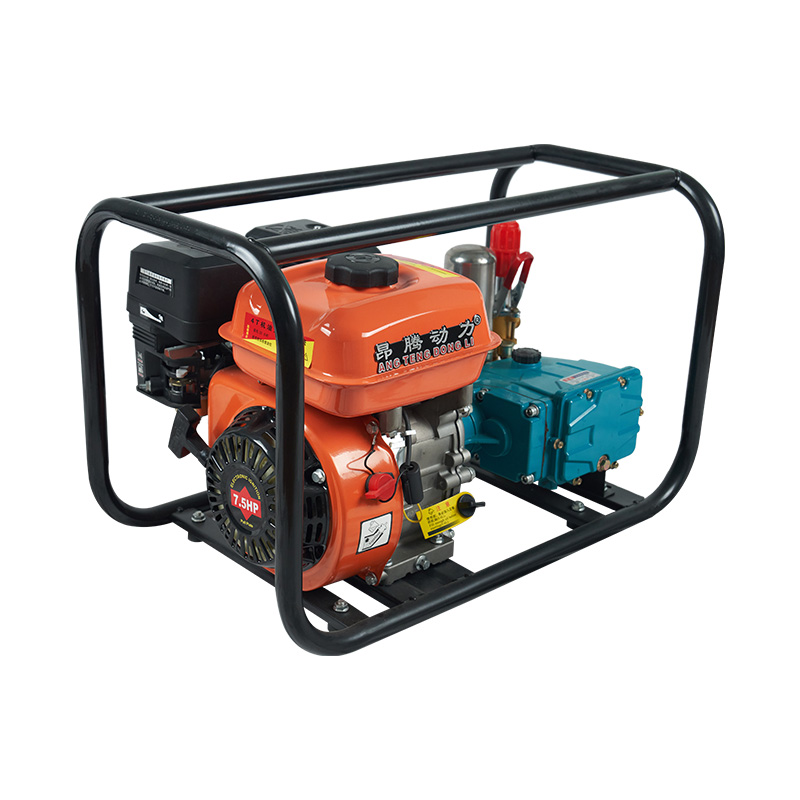
عربىA Gasoline Power Sprayer Unit is designed to deliver strong and stable spray action for agricultural, vegetation management, and cleaning applications. With frequent exposure to chemicals, dirt, and variable outdoor conditions, the equipment gradually faces wear. Implementing proper maintenance not only improves spray quality but also supports long-term performance throughout its service life.
Fundamentals of Mechanical Care
Maintaining the engine and pump system is central to achieving stable operation. The engine requires clean fuel, steady airflow, and proper ignition. The pump, on the other hand, depends on adequate lubrication and clean pathways. Regular checks help identify early signs of wear and prevent more complicated failures.
Protecting the Engine from Early Wear
Fuel quality is important. Old or contaminated fuel can cause hard starting, reduced power output, or erratic running. Users should replace old fuel, clean the tank, and check for residue. The air intake should also be kept open by cleaning or replacing air filters when they appear dirty. Maintaining the spark mechanism ensures consistent ignition.
Pump and Pressure System Maintenance
Pump protection depends largely on lubrication and clean chemical flow. Users should check pump oil levels regularly and inspect for leaks around seals. Sprayer lines must be flushed to avoid hardened residue that disrupts pressure. When blockage forms inside the pump chamber, pressure output becomes unstable, making cleaning an important routine practice.
Nozzle and Filter Care for Improved Spray Quality
Spray nozzles influence coverage, droplet size, and uniformity. Over time, chemical buildup narrows the nozzle opening, reducing effectiveness. Cleaning tools, such as brushes or a mild soaking solution,s help restore the spray pattern. Filters must also be cleaned since restricted filters limit the sprayer’s ability to pull liquid through the system.
Avoiding Common Operating Mistakes
Certain habits contribute to premature wear. Running the sprayer without liquid in the tank can cause the pump to overheat. Allowing chemicals to remain inside the tank for long periods leads to corrosion or residue buildup. Rapid engine acceleration without warm-up time stresses internal parts, potentially causing damage.
Seasonal Care and Long-Term Storage
At the end of a working season, users should empty all tanks, remove remaining water or solutions, and allow the equipment to dry. Fuel should be drained or stabilized. The sprayer should be stored under cover to prevent moisture exposure. When the spraying season begins again, users should inspect each component before restarting.
Maintaining Performance Through Consistent Routine
Longevity depends on a combination of routine checks, careful cleaning, and attentive operation. This steady approach helps maintain smooth performance and reliable spray coverage, even after years of use.
Additional Considerations for Long-Term Storage
Beyond regular use, periods of storage require specific actions. Choosing a storage location that is cool, dry, and out of direct sunlight helps preserve rubber seals and plastic components. If possible, running the engine for a few minutes every month during long idle periods keeps internal parts lubricated and can prevent seals from drying out. These extra measures, while simple, play a part in ensuring the gasoline power sprayer unit is ready to perform when the next period of use arrives.
Care practices for a gasoline power sprayer unit that focus on fuel, cleanliness, and operation habits form a practical approach to preserving the tool. This sustained attention contributes to the equipment's ability to provide functional service across many seasons. Engaging with these practices allows users to feel confident in their equipment's readiness.