

 English
 русский
 Français
 Español
 عربى
عربىStable household water supply has become an important part of modern residential living, especially in multi-floor homes, apartments, and suburban housing areas. In many residential projects, a water pump set is used to support water pressure, improve water distribution, and maintain stable flow for kitchens, bathrooms, and daily household activities. As homeowners pay more attention to comfort and energy consumption, residential water pump systems are gradually developing toward quieter operation, automatic control, and easier maintenance.
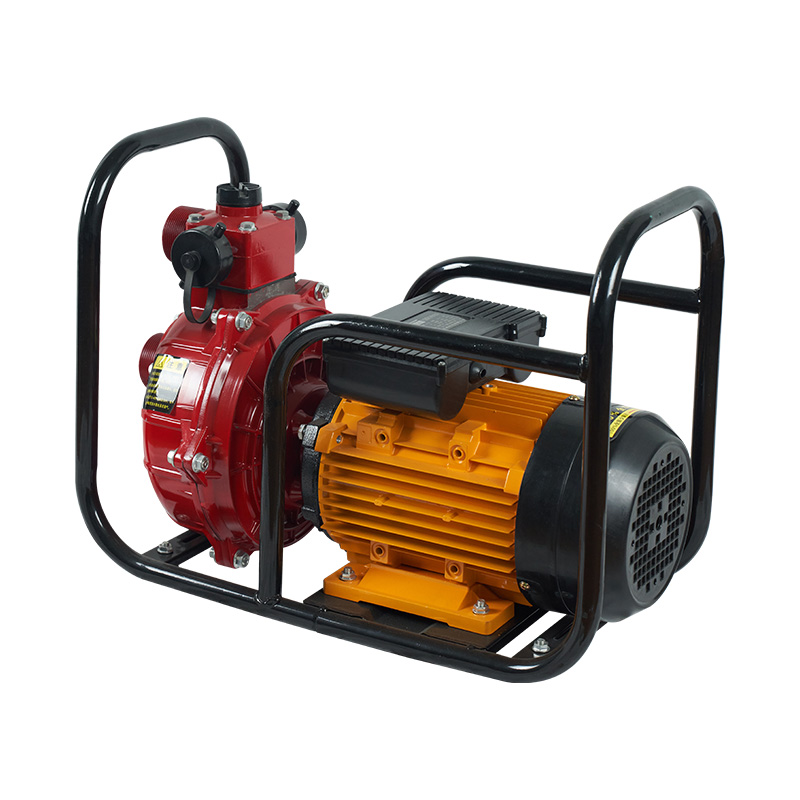
Increasing Demand for Residential Water Pump Systems
Urban expansion and changing housing structures have increased the need for stable residential water pressure. In some buildings, water flow may become inconsistent during peak usage periods, especially on upper floors or in areas located far from municipal water infrastructure.
To solve these issues, many homeowners and property managers install pump systems designed for domestic water supply applications. These systems help improve water transportation throughout the building while supporting more stable daily usage.
Residential water pump sets are commonly used in:
- Apartments
- Villas and houses
- Rooftop water supply systems
- Small residential buildings
- Garden irrigation systems
The growing use of household appliances that depend on stable water pressure has also contributed to increased attention toward residential pump equipment.
Common Types of Residential Water Pump Sets
Different homes require different water supply solutions depending on building size, water consumption, and installation conditions.
Booster Pump Systems
Booster pumps are widely used to improve water pressure in homes where municipal water supply is weak or inconsistent. These systems are commonly installed in apartments and multi-floor houses.
Users often focus on pressure stability, operating noise, and automatic control performance when selecting booster systems.
Automatic Water Pump Sets
Automatic pump systems can start and stop according to water demand. This helps reduce unnecessary operations while supporting more convenient daily use.
These systems are frequently applied in:
- Household water storage systems
- Rooftop tank water supply
- Bathroom pressure support
- Kitchen water circulation
- Variable Speed Pump Systems
Variable speed technology is receiving more attention in residential applications because it adjusts motor operation according to changing water demand. This helps support smoother water pressure during daily household activities.
Features Homeowners Frequently Consider
Residential users often focus on comfort, convenience, and operating efficiency when selecting water pump equipment.
Quiet Operation
Noise control has become an important factor in residential installations, especially for indoor or near-bedroom applications. Pump systems with stable motor structures and vibration reduction designs are often preferred in household environments.
Energy Consumption
Electricity costs continue to influence household equipment selection. Many homeowners pay attention to motor efficiency and daily power consumption when comparing pump systems.
Energy-saving operation is particularly important for systems that run frequently throughout the day.
Compact Installation Design
Limited installation space is common in residential buildings. Compact pump structures are often easier to install in utility rooms, kitchens, balconies, or rooftop equipment areas.
Simple pipe connections and organized layouts may also help improve maintenance convenience.
Smart Functions Becoming More Common
Residential water supply systems are gradually becoming more automated. Some modern pump systems now include intelligent control functions designed to improve operation and equipment protection.
Automatic Pressure Adjustment
Automatic pressure control allows the system to respond to changing household water demand. This helps maintain a more stable water flow during showers, washing, and kitchen use.
Dry-Run Protection
Dry-run protection functions help prevent pump operation when the water supply becomes insufficient. This feature may help reduce equipment wear caused by empty running conditions.
Remote Monitoring
Some residential systems now support remote monitoring through connected control devices. Users can observe operating conditions and receive maintenance reminders through digital interfaces.
Maintenance and Long-Term Operation
Routine inspection remains important for residential pump systems. Homeowners often perform regular cleaning of filters and pipe connections to maintain smooth water flow.
Motor ventilation, seal condition, and water leakage inspection are also common maintenance concerns. Proper installation and periodic servicing may help support longer operating stability in household water supply systems.
As residential water demand continues to change, pump equipment remains closely connected to household convenience and water distribution management. Water pump systems designed for residential applications are expected to continue developing toward quieter performance, automatic control, and more flexible installation solutions.