

 English
 русский
 Français
 Español
 عربى
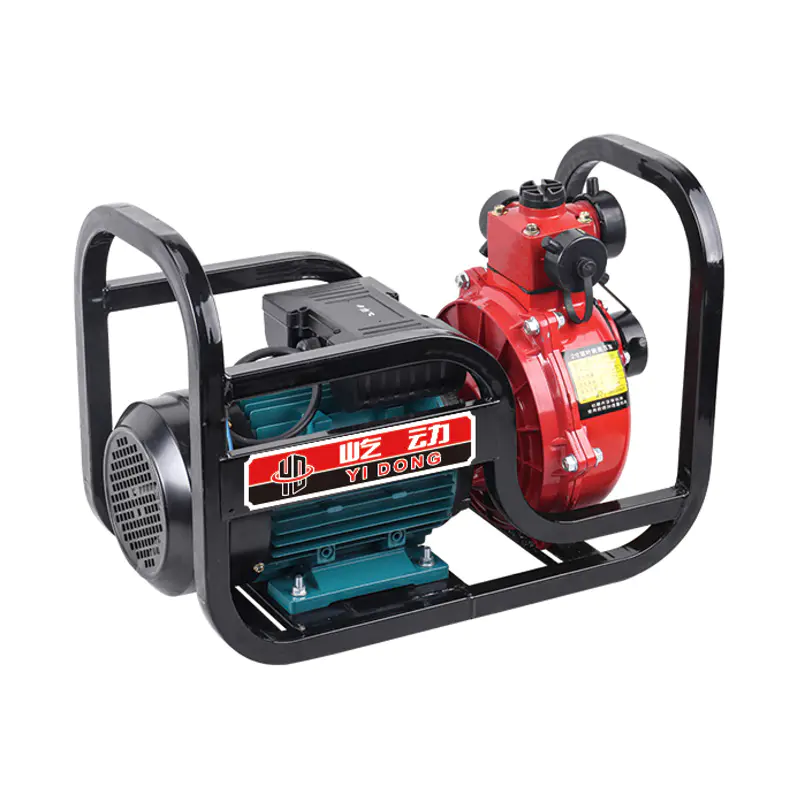
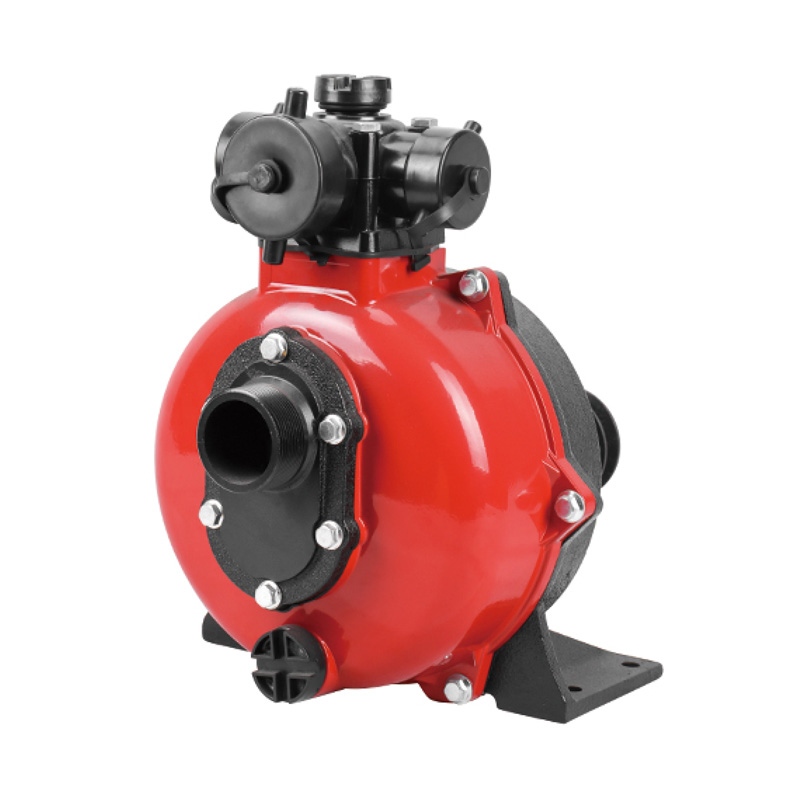
عربىModern farming increasingly depends on reliable irrigation systems to support crop growth under changing weather conditions. In many agricultural regions, a water pump set plays an important role in transferring water from wells, rivers, ponds, and storage tanks to farmland. As irrigation methods continue to develop, farmers are paying more attention to equipment efficiency, operating stability, and maintenance convenience.
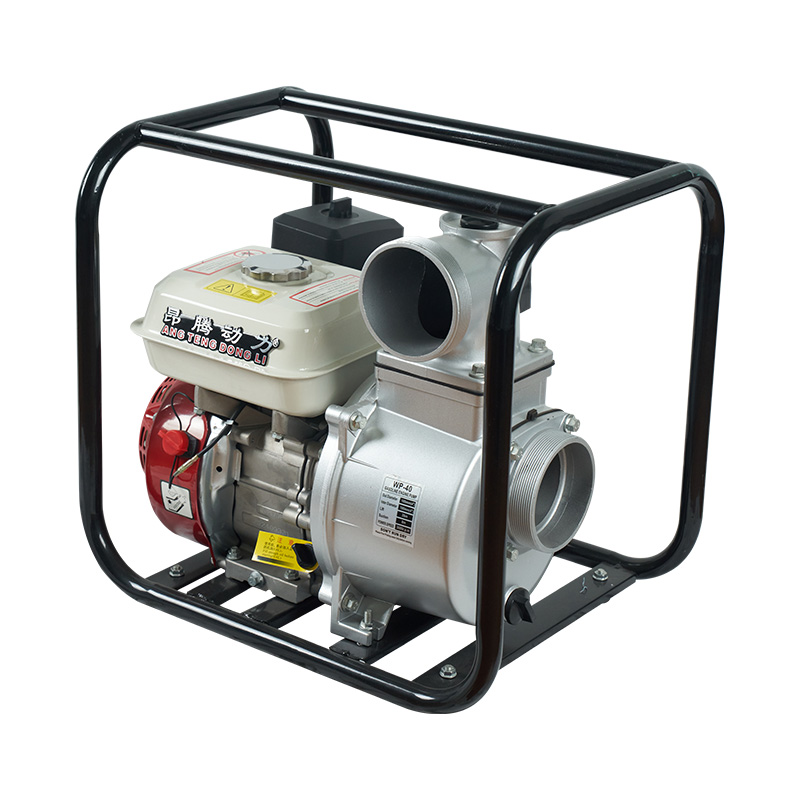
Growing Use of Irrigation Pump Systems
Many farms are moving from traditional irrigation methods to drip and sprinkler systems. These irrigation methods require stable water pressure and continuous water flow, which has increased demand for dependable pump equipment.
Agricultural pump systems are widely used in:
- Vegetable farms
- Orchards
- Grain production areas
- Greenhouse irrigation
- Livestock water supply
Farm operators often look for equipment that can adapt to different field conditions while maintaining steady operation during long working hours.
Common Types of Agricultural Water Pump Sets
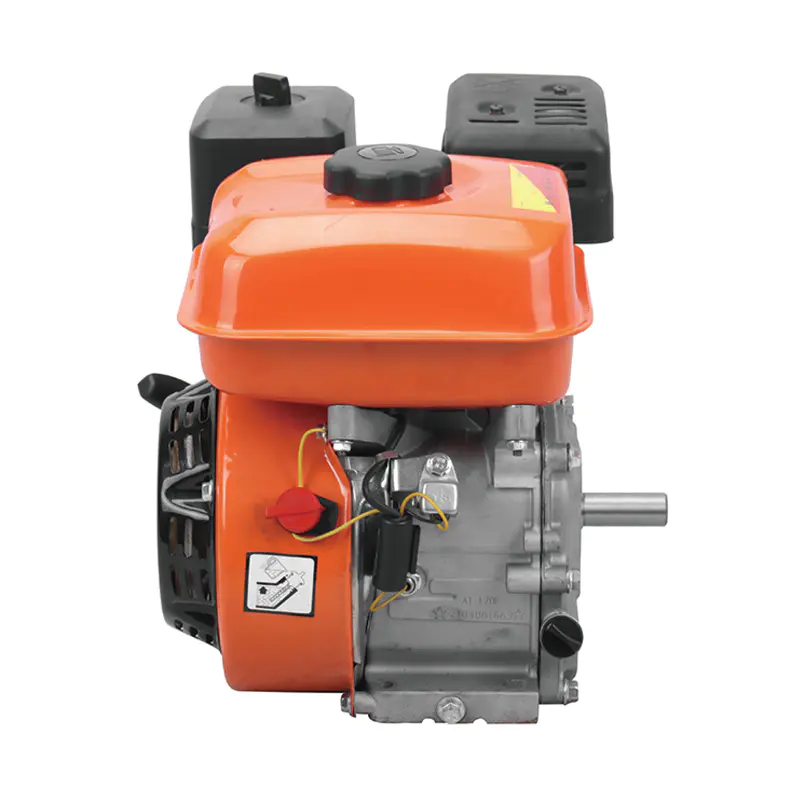
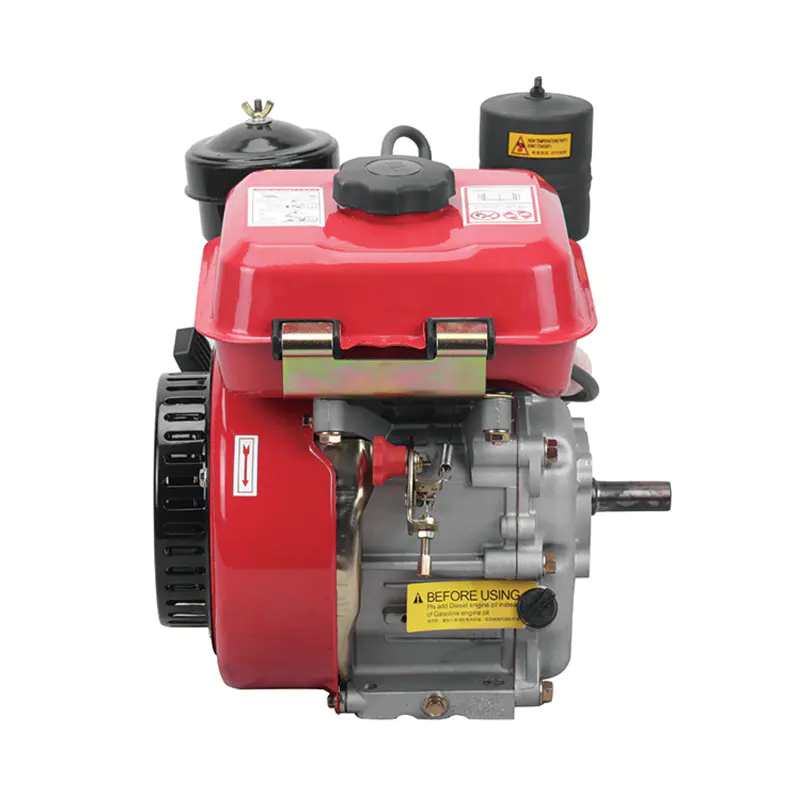
Different farming environments require different pumping solutions. Diesel-powered systems are frequently used in remote areas where electrical access is limited. Electric pump systems are more common in farms with a stable power supply because they support continuous operation with lower daily maintenance requirements.
Solar-powered irrigation systems have also gained attention in recent years. These systems are often discussed in regions with strong sunlight conditions and limited utility infrastructure. Farmers using solar-powered equipment usually focus on operating reliability, installation flexibility, and energy management.
Submersible pump sets are another common option for deep wells and groundwater extraction projects. These systems are often selected for borewell irrigation and underground water transportation.
Features Farmers Commonly Consider
Agricultural users usually evaluate pump systems based on irrigation requirements, field size, and water source conditions. Flow rate and head capacity remain important factors because they directly influence irrigation coverage and water transportation distance.
Durability is another major concern. Farm equipment is regularly exposed to dust, mud, moisture, and changing outdoor temperatures. Pump systems with protective structures and stable sealing performance are often preferred for outdoor agricultural use.
Maintenance convenience also affects purchasing decisions. Farmers frequently look for equipment with accessible filters, simple pipe connections, and convenient motor inspection procedures. Reduced downtime during irrigation seasons is important for daily farm operations.
Technology Changes in Modern Irrigation
Automation is becoming more common in agricultural irrigation systems. Some pump systems now include automatic pressure adjustment and timer-based control functions that help improve irrigation management.
Variable frequency drive technology is also receiving attention because it allows motor speed adjustment according to water demand. This can help support more flexible operation during different irrigation stages.
Remote monitoring systems are gradually appearing in modern irrigation projects as well. These functions allow operators to monitor equipment conditions and water supply performance from connected control systems.
Water Management and Agricultural Development
Efficient water distribution continues to influence agricultural planning in many regions. Properly selected irrigation equipment may help farms maintain a stable water supply while improving irrigation organization across different crop areas.
As agricultural production continues evolving, irrigation infrastructure remains closely connected to farm management and resource planning. Water pump systems are expected to remain widely used in both traditional and modern irrigation applications due to their role in supporting dependable water transportation for agricultural activities.