


EN
 English
 русский
 Français
 Español
 عربى
عربى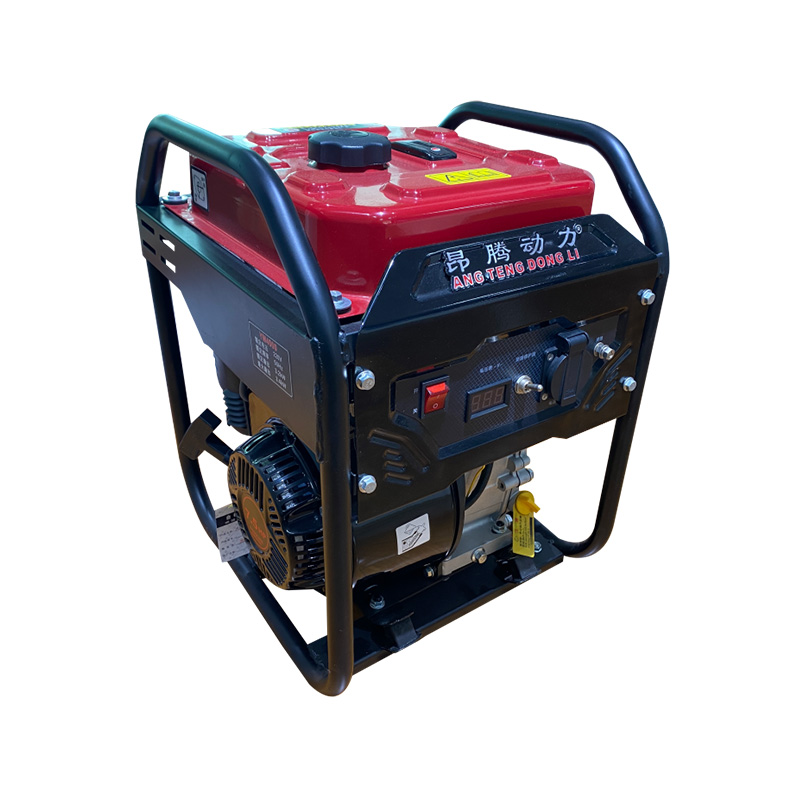
Permanent Magnet Variable Frequency Generator
3 kW Permanent Magnet Variable Frequency Inverter Generator
Advantages of Inverter Generators vs. Conventional Generators
Inverter generators produce a pure sine wave output with extremely stable voltage and frequency. This protects sensitive electronics such as laptops, smartphones, medical equipment, and audio systems from potential damage caused by dirty or unstable power.
The engine speed automatically adjusts (via an inverter system) to match the required load—it runs faster under high demand and slows down significantly under light loads. This leads to significant fuel savings (up to 40% at light load), lower running costs, reduced engine wear, and a smaller environmental footprint.
Due to the ability to run at lower RPMs during light loads and enhanced noise-reduction designs, inverter generators are much quieter than conventional models—often by 10-20 decibels. This makes them ideal for camping, RV use, residential areas, and events where noise is a concern.
With optimized designs and the absence of bulky mechanical governing systems, inverter generators are generally more portable and easier to store than conventional generators of similar power output.
They can deliver a higher surge current (instantaneous overload capacity), which allows them to easily start motor-driven appliances like refrigerators, small air conditioners, and power tools without stalling or tripping.
They maintain high efficiency in converting fuel to electricity across various load conditions, resulting in less energy waste, especially in applications with frequently changing power demands.
In summary:
An inverter generator acts like a smart, quiet, and efficient portable power station. It delivers clean, utility-grade power that is safe for modern electronics, while offering remarkable fuel savings and low noise levels. It is the ideal choice for powering sensitive devices, use in noise-sensitive environments, and applications requiring frequent portability.
Typical use cases for conventional generators:
They remain a cost-effective solution for applications less sensitive to power quality, scenarios requiring continuous high-power output at full load (e.g., large construction sites), or where the initial budget is very limited.
That is the advantage of our model 3kw Permanent Magnet Variable Frequency Generator.

20 Years
Experience



About Company
About Angteng
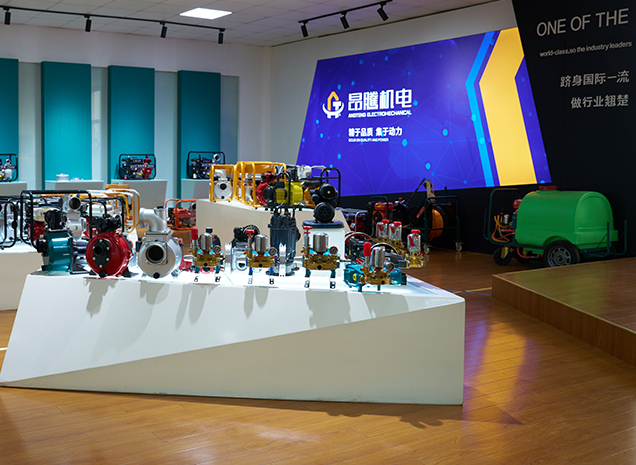
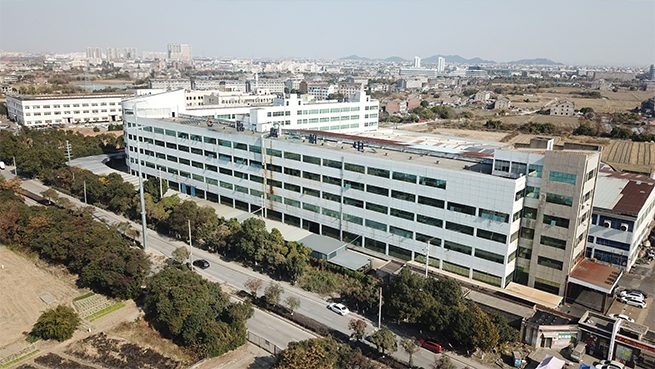
ZHEJIANG TAIZHOU ANGTENG ELECTROMECHANICAL CO., LTD. is an OEM/ODM 3 kW Permanent Magnet Variable Frequency Inverter Generator Company and Wholesale 3 kW Permanent Magnet Variable Frequency Inverter Generator Supplier. It has been established for more than 7 years. It is an enterprise that develops, produces, and sells gasoline and diesel engines, generator sets, water pumps, and high-pressure cleaners. The company is located in Changpu Street, Luqiao District, Taizhou City, on the coast of the East China Sea. It is adjacent to National Highway 104 in the west, Shanghai-Ningbo-Hangzhou Expressway in the north, Haimen Port in the east, and close to Luqiao Airport.
It has a group of highly qualified professional and technical personnel, a complete set of modern advanced production equipment, independent mechanical processing and development capabilities, and a unique "Scientific Research Institute and Development Center" to focus on creating high-quality and excellent products for customers.
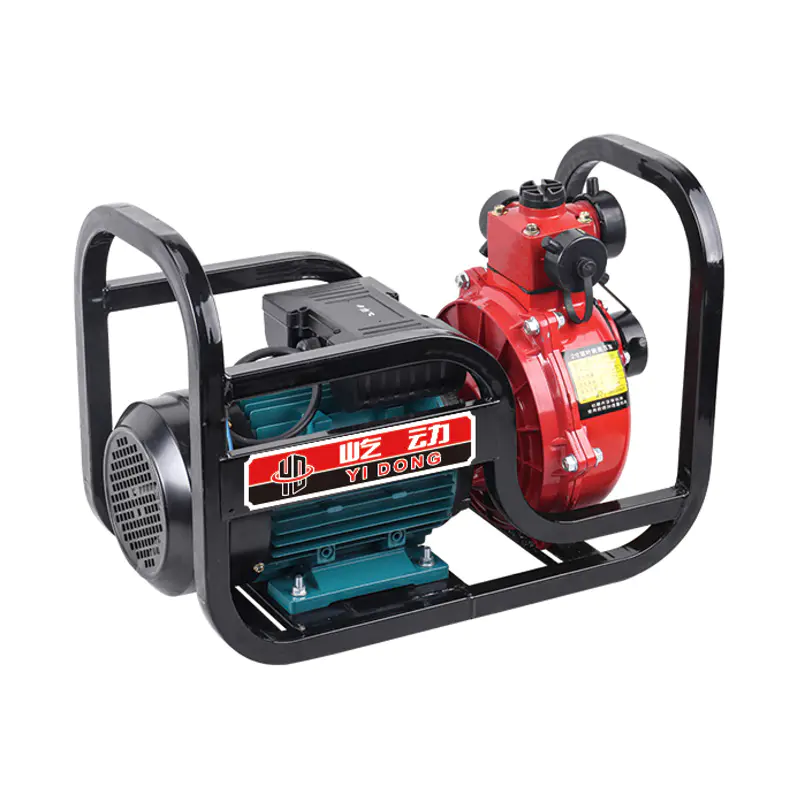
Related products
NEWS
3 kW Permanent Magnet Variable Frequency Inverter Generator Industry Knowledge Extension
What is a 3 kW Inverter Generator and How Does It Differ from Conventional Generators?
A 3 kW inverter generator is a compact power supply designed to deliver stable electricity with minimal fluctuations, suitable for sensitive electronics such as laptops, small appliances, and home equipment. Unlike conventional generators, which produce AC power directly, an inverter generator first produces AC, converts it to DC, and then inverts it back to clean AC. This process ensures consistent voltage and frequency, reducing the risk of damaging sensitive devices. Customers often focus on fuel efficiency, noise levels, portability, and ease of use, as these factors directly impact both convenience and operating cost.
How Can a Permanent Magnet Generator Improve Efficiency and Reliability?
Permanent Magnet Generators (PMGs) use magnets to generate electricity, eliminating the need for an external excitation system. This design improves energy conversion efficiency and reduces maintenance requirements because there are fewer moving parts subject to wear. PMGs are often used in wind turbines, small hydroelectric systems, and portable generators where efficiency and reliability are critical. Customers typically inquire about voltage stability, output consistency under varying loads, and durability in harsh environments, since these characteristics directly affect long-term performance.
Why Are Variable Frequency Generators Important for Different Applications?
Variable Frequency Generators (VFGs) allow the output frequency to adjust according to engine speed, making them highly flexible for industrial and portable use. This feature is particularly valuable for equipment that requires varying speeds or loads, such as pumps, motors, and construction machinery. Customers often want to understand how frequency variation impacts motor performance, whether the generator can support sensitive electronics, and how it adapts to fluctuating energy demands. Knowledge about control options and protection features also helps users select the right model for specific applications.
What Are the Key Advantages of Using a 3 kW Inverter Generator for Home and Outdoor Use?
A 3 kW inverter generator provides a balance between portability and output capacity. It is light enough to transport for camping, outdoor events, or temporary work sites, yet powerful enough to run essential appliances. Customers usually consider run time, fuel type, starting mechanism, and noise output as important factors. Additionally, features like parallel capability—allowing two units to work together for higher output—can be significant for users who anticipate occasional higher power requirements.
How Do Permanent Magnet Generators Contribute to Long-Term Operational Stability?
PMGs are valued for their consistent performance over long operational hours. Unlike generators with traditional wound rotors, PMGs maintain voltage stability across different load levels, reducing fluctuations that could affect connected equipment. Customers frequently ask about heat management, corrosion resistance, and insulation quality, since these elements influence the generator’s longevity. Understanding how a PMG behaves under continuous load or in outdoor conditions can help users plan for maintenance intervals and prevent unexpected downtime.
What Applications Benefit Most from Variable Frequency Generators?
Variable Frequency Generators are commonly used in applications that demand variable speed control or high adaptability, such as water pumps, air compressors, and industrial motors. They are also suitable for hybrid setups where fluctuating loads are common. Customers are often interested in efficiency at partial load, load response time, and compatibility with electronic controllers. Evaluating these aspects ensures that a variable frequency generator meets both performance expectations and operational safety requirements.
How Should Customers Evaluate Noise and Fuel Efficiency in 3 kW Inverter Generators?
Noise level and fuel consumption are two practical concerns for small inverter generators. Lower noise allows generators to be used in residential areas, camping sites, and workplaces without disturbing the environment. Fuel efficiency affects both cost and convenience, especially for extended operation. Customers typically compare engine technology, fuel tank capacity, and load efficiency when selecting a generator. In addition, considering eco modes or intelligent throttle systems can help reduce consumption while maintaining stable output.
What Maintenance Considerations Are Common for Permanent Magnet and Variable Frequency Generators?
Maintenance requirements differ between generator types. PMGs require less routine servicing due to fewer wear-prone components, but customers should monitor bearing lubrication, cooling systems, and electrical connections. Variable frequency generators may need periodic inspection of control circuitry and voltage regulation components, especially in industrial settings. Understanding recommended service intervals, potential failure points, and environmental limitations can help prolong generator life and ensure reliable performance.
How Can Customers Choose Between a 3 kW Inverter Generator, Permanent Magnet Generator, and Variable Frequency Generator?
Selecting the right generator depends on intended use, load type, and mobility requirements. A 3 kW inverter generator suits light-duty portable applications where clean power is critical. A permanent magnet generator is ideal for systems requiring consistent voltage and durability, such as renewable energy setups or long-term backup power. A variable frequency generator is appropriate for industrial or mixed-load applications that need flexibility in frequency and speed. Evaluating power requirements, environmental conditions, and equipment sensitivity helps customers make an informed choice.
If you are interested in our products, please consult us
CONTACT DETAIL
- Email: [email protected] / [email protected]
- Phone: +86-15157633747 (BOSS ZHANG)
- WhatsApp: +86-15157633747 / +86-18906569320
- Address : No. 188, Wenchang South Road, Zeguo, Wenling, Taizhou, Zhejiang, China
PRODUCTS
MOBILE TEMERNAL
ZHEJIANG TAIZHOU ANGTENG ELECTROMECHANICAL CO., LTD.

3 kW Permanent Magnet Variable Frequency Inverter Generator Supplier
