


 English
 русский
 Français
 Español
 عربى
عربى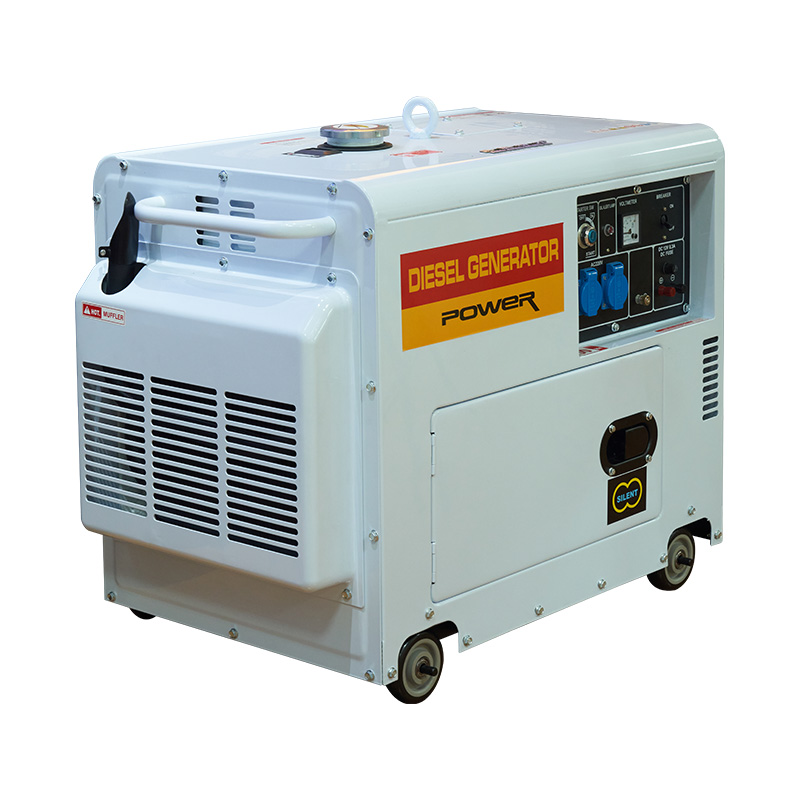




Diesel Generators: Answers to Common Questions
Diesel generators are widely used in industries, commercial sites, and emergency situations. Understanding how they work, when to use them, and how to maintain them can help you make informed decisions.
What Are Diesel Generators and How Do They Work?
Diesel generators combine a diesel engine with an alternator to produce electricity. The engine burns diesel fuel to generate mechanical energy, which is converted into electrical energy by the alternator. They are durable machines designed to run for long periods and can serve as a primary power source or as a backup during outages.
Why Should Businesses Consider Diesel Powered Generators?
Industries often require continuous, reliable power. Diesel powered generators are capable of meeting these demands efficiently. They can support heavy machinery, manufacturing lines, and other equipment without frequent interruptions. These generators are suitable for construction sites, factories, and remote locations where the electricity grid may be unreliable. Their fuel efficiency and robust design make them a practical choice for long-term operation.
How Can a Portable Diesel Generator Benefit You?
Portable diesel generators provide flexibility and mobility. They can be transported to different locations and used wherever temporary power is needed. Whether for construction, outdoor events, or emergency situations, portable generators offer quick deployment and reliable energy supply. Many models feature electric start, low-noise operation, and compact design, making them easy to move and operate.
How Do You Maintain Diesel Generators for Longevity?
Maintenance is key to the performance of diesel generators. Regular checks of fuel quality, oil and coolant levels, and electrical components prevent unexpected failures. Scheduling periodic inspections and servicing ensures the engine runs efficiently and can extend the generator’s operational life. Proper maintenance reduces downtime and protects your investment in diesel powered generators.
How Efficient Are Diesel Generators Compared to Other Power Sources?
Diesel generators are known for their energy density and fuel efficiency. By matching generator capacity to the actual load, operators can optimize fuel consumption. Modern diesel generators also allow for load management and remote monitoring, enabling users to operate them efficiently and safely. Properly operated units balance fuel use with consistent power output.
Can a Portable Diesel Generator Handle Emergency Power Needs?
A portable diesel generator can be essential in emergencies. Hospitals, data centers, and other critical facilities often rely on them to maintain operations during outages. They are also valuable in disaster relief, providing temporary electricity for lighting, medical equipment, and communication devices. Quick deployment ensures that essential services continue without interruption.
What Safety and Environmental Factors Should You Consider?
While diesel generators are reliable, safety and environmental considerations are important. Proper ventilation, exhaust management, and regular inspection of fuel lines and electrical systems reduce risks. Modern diesel powered generators are designed to meet emissions standards, helping users reduce environmental impact while maintaining performance. Safety practices ensure both operators and equipment are protected.
How Do You Choose Between Diesel Generators, Diesel Powered Generators, and Portable Diesel Generators?
Selecting the right generator depends on your specific needs. Stationary diesel generators are suitable for long-term industrial use, diesel powered generators offer versatility in commercial and industrial settings, and portable diesel generators provide mobility and emergency support. Assessing power requirements, location, and operational priorities will help determine the best fit.

