


 English
 русский
 Français
 Español
 عربى
عربى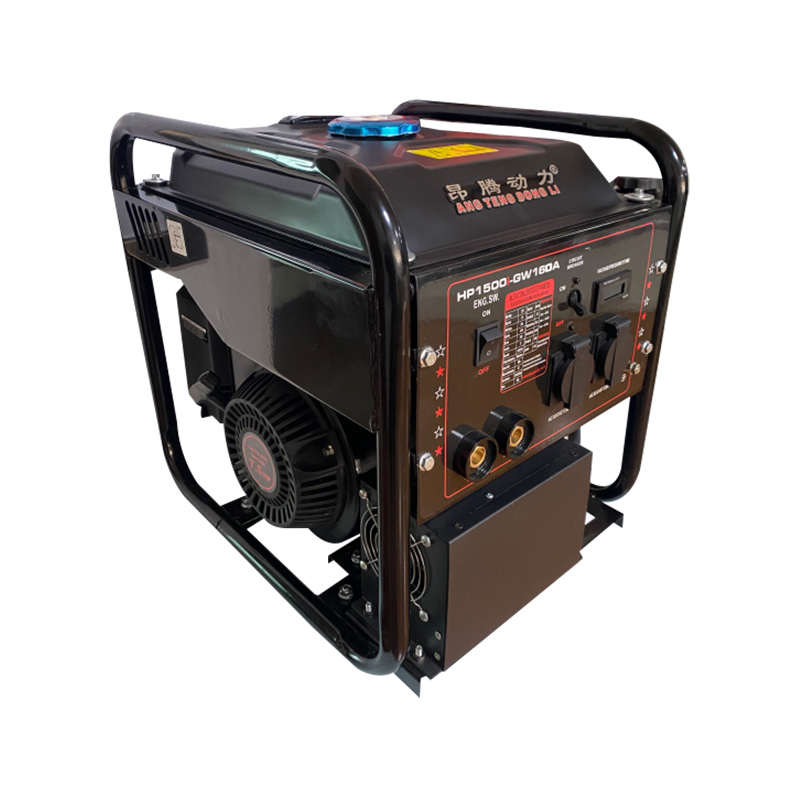




How Can a GX200 168F Engine Meet Different Machinery Needs?
The GX200 168F Engine is a versatile gasoline engine widely used in pumps, generators, and small construction equipment. Customers often ask how this engine adapts to different machines. Its stable power output and simple design allow seamless integration with various equipment types. How easy is it to maintain? Routine checks on oil levels, spark plugs, and air filters keep the engine running smoothly. What should users consider when choosing this engine? Fuel efficiency, load capacity, and durability under continuous operation are key factors. Additionally, customization options such as carburetor tuning and engine mounting flexibility make the GX200 168F Engine suitable for specific tasks, from agricultural irrigation to portable power solutions. Understanding these aspects helps users maximize performance while reducing downtime.
GX160 Engine — Reliable & High-Performance Gasoline Engine
Why it matters:
The GX160 Engine is a widely trusted gasoline engine for industrial, agricultural, and construction applications. Known for its durability and high efficiency, it delivers reliable power output under demanding conditions, which is a key concern for buyers looking for long-lasting engines.
Customer concerns:
- Performance: Produces consistent power suitable for pumps, generators, pressure washers, and small machinery.
- Fuel efficiency: Optimized combustion reduces fuel consumption, lowering operating costs.
- Durability: High-quality materials and precision manufacturing extend engine life and reduce maintenance.
- Ease of use: Compact, lightweight, and designed for easy installation and servicing.
Applications:
Ideal for small generators, water pumps, agricultural equipment, and construction tools, the GX160 Engine offers reliable, cost-effective power for both professional and home use. Its proven track record and availability of parts make it a go-to choice for customers seeking dependable gasoline engines.
6.5hp Gasoline Engine — Compact Power for Multiple Applications
Key advantages:
The 6.5hp Gasoline Engine provides robust performance in a compact, lightweight design, making it versatile for a wide range of tasks. Customers frequently search for this engine when they need reliable power output with low maintenance requirements.
Customer concerns:
- Power and efficiency: Delivers steady 6.5 horsepower for small machinery like generators, tillers, and water pumps.
- Fuel economy: Efficient operation ensures longer run times with minimal fuel.
- Maintenance: Durable components and simple design reduce downtime and repair costs.
- Versatility: Compatible with a variety of equipment and easy to install.
Applications:
Perfect for agriculture, construction, and DIY projects, the 6.5hp Gasoline Engine offers dependable, portable power where compact engines are required. Its reliability and ease of maintenance are top priorities for buyers looking for engines that last.
GP Type Power Motor — Durable & Versatile Power Solution
Why it matters:
The GP Type Power Motor is designed for industrial and general-purpose applications, delivering consistent performance and long-term reliability. Customers often choose GP Type motors for equipment that requires steady, dependable power.
Customer concerns:
- Performance: Provides stable torque and power suitable for pumps, compressors, and generators.
- Durability: Built to withstand tough working conditions with minimal maintenance.
- Versatility: Can be applied across a variety of machinery, making it a flexible choice for multiple industries.
- Ease of maintenance: Components are accessible and durable, reducing service costs and downtime.
Applications:
Ideal for agricultural machines, industrial tools, and backup power units, the GP Type Power Motor is a reliable, cost-effective, and versatile solution for customers seeking a general-purpose gasoline motor.

